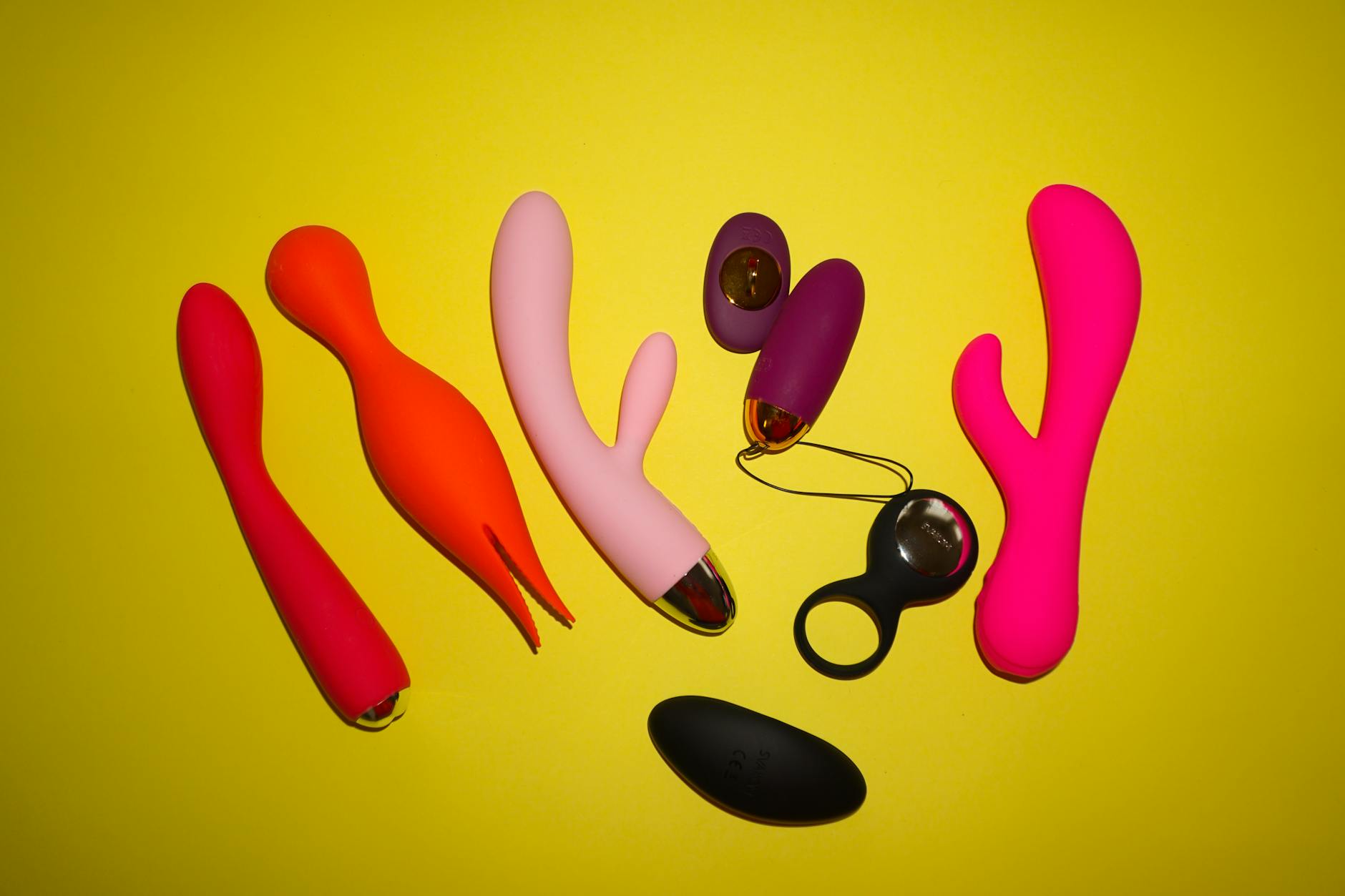
Here's what I hear in couples' sessions
One partner says: "I think suction would feel amazing." The other: "Won't it be too intense?" Then comes the silence. Because asking your partner what they actually want to feel, when it comes to pleasure, carries a weird vulnerability. You're not just asking about sensation. You're asking them to imagine something intimate with you, out loud, in real time.
Let me clear this up with the actual science, because most of what people think they know about suction versus vibration is guesswork mixed with locker-room stories.
What suction actually does (neurologically)
Traditional vibration sends rapid oscillations through the tissue. Your nerve endings fire in response to speed and frequency. It's a bottom-up stimulation. Suction works differently. It creates a gentle, rhythmic pressure pulse that mimics the sensation of oral stimulation, which has deep evolutionary wiring in the brain. The vagus nerve, which carries most of your pleasure signals, lights up differently with suction than with vibration.
For many people (though not all), suction feels like a sustained, rolling sensation rather than a buzzing one. It's less frantic, sometimes more grounded. That's not universal preference. It's just neurology.
Here's what matters for couples: if one partner has always responded to traditional vibration and the other is curious about suction, you're not working with incompatible bodies. You're working with different nerve activation patterns. Both can coexist.
Why partners might prefer one over the other
Suction appeals to many because:
It feels less mechanical. The sensation is continuous rather than repetitive. Suction devices like the Lem vibrator create waves of pressure that some people describe as almost meditative. The intensity can be modulated by simply adjusting the seal against the skin, which gives them control. If your partner likes the idea of pleasure but not the sensation of being buzzed, suction is often the bridge.
Vibration appeals to many because:
It's direct and predictable. You know what you're getting. The frequency doesn't change mysteriously. For partners with vulvas who've spent years learning their own body with traditional vibrators, vibration is comfortable territory. Speed and pattern are easy to talk about. "Faster" and "slower" are universal language.
The couple conversation you actually need
Here's my clinical observation: couples rarely disagree about suction versus vibration. They disagree about feeling heard.
One partner brings home a lemon clitoral vibrator because they read an article. The other feels like a choice was made for them rather than with them. That's the actual friction.
The conversation that works goes like this:
"I've been reading about suction toys. Would you ever want to try one together?"
Not: "You would love this." Not: "Let me surprise you." Not: "I read this works better."
Yes: "I'm curious. Are you?"
The neuroscience of couple pleasure is less about the toy and more about the loop between you. When both people feel chosen and consulted, most nerve activation improvements pale in comparison.
How to test together without making it a production
If you're both open to exploring, the practical reality: suction devices like the lemon sucker designs have pattern buttons. Start on the lowest setting. Have your partner describe what they're feeling, not what they think they should feel. "That feels like pressure" is information. "That feels gentle" is information. "That feels overwhelming" is critical information.
Vibration toys are easier to compare because the sensation is less surprising. But if your partner has never tried suction, expect a 30-second adjustment period where the sensation is just different and therefore feels a bit strange. That's not "I hate this." That's "my nerve endings are learning something new."
Many couples find that suction works beautifully when they're using it as a couple. Why? Because the partner operating the device gets real-time feedback. They can watch their partner's body respond. They can adjust intensity and pattern. It becomes a duet rather than a solo performance.
The honest limitation of both
Neither suction nor vibration is "better" in any absolute sense. Some partners will prefer suction because it feels more intimate or less clinical. Others will stick with vibration because it's what their body knows. Some people's nerves respond better to one. Some to the other. Some to both depending on the day.
What matters more is that you're making the choice together. When couples come to me saying their sex life feels stuck, it's rarely because the toy was wrong. It's because one person made a unilateral decision about what the other person wanted.
The inverse is also true: when couples are curious together, when they're willing to describe sensation without judgment, when they're patient with adjustment periods and honest about what they prefer, the actual mechanics become secondary.
A note on communication during intimate moments
This is where a lot of couples get stuck. You're in the moment, things are building, and one of you isn't sure if you're enjoying something or just enduring it. That's the moment to pause.
I know that kills the mood for about 3 seconds. Then it comes back better, because you're now on the same page.
If your partner is trying a lemon vibrator for the first time and using it on you, your job is to be honest in real time. "That feels amazing, but a bit softer on the sides" is sexier than silent confusion. When a partner hears specific feedback, they stop worrying about whether they're doing it right and start actually paying attention to you.
The best sex between partners isn't the kind where nobody has to ask questions. It's the kind where the questions don't feel risky anymore.
When preference becomes a deeper conversation
Sometimes a partner's strong preference for suction over vibration (or vice versa) is just neurology. Sometimes it's a marker of something else. One partner might prefer suction because traditional vibrators remind them of an anxiety response. Another might prefer vibration because suction feels too unpredictable and they're someone who needs control.
There's no judgment here. Just information. If your partner keeps choosing one sensation over another, you can ask "What does that feel like to you?" not "Why don't you like this other thing?" The difference matters. One is curious. The other is defensive.
In my practice, the couples who navigate pleasure transitions well are the ones who treat sensation preference as a window into how their partner's nervous system works, not as a referendum on the relationship.
The bottom line
Does lemon vibrator suction feel better for partners than vibration? For some, yes. For others, no. For most, it depends on the day, the context, the mood, and whether they feel safe being honest about what they actually want.
Your job isn't to find the "right" toy. It's to create the conversation where your partner can tell you what their body actually needs, without worrying that the answer will disappoint you. That conversation is what creates the intimacy. The toy is just the excuse to have it.
If you're both curious about trying different sensations, the Hello Nancy collection includes options across both spectrums. But first, have the conversation. Everything else follows from there.
People also ask
Does suction feel less intense than vibration?
Not necessarily. Intensity is different from sensation type. Suction can be gentle or strong depending on the seal and pattern. Vibration depends on frequency. Many people find suction feels less intense because it's rhythmic rather than oscillating, but a powerful suction device can absolutely rival a strong vibrator. The perceived intensity also depends on whether your partner's body is used to that sensation.
Can partners use a lemon clitoral vibrator if they have different sensitivity levels?
Yes, completely. Start on the lowest setting together. If one partner finds it too much, you stay there. If the other wants more, you can explore higher patterns at a different time. You don't have to match sensitivity levels. You just have to be honest about them. Many couples find that the variation actually deepens the experience because one person focuses on sensation while the other focuses on their partner's response.
Will trying a lemon sucker toy change what my partner expects from me?
That's the unspoken fear, right? It won't, if you frame it right. A toy isn't a competitor. It's a tool. When couples use it as "something we're exploring together" rather than "here, this will do it better," the dynamic stays collaborative. In fact, many partners say that learning what a toy can do actually deepens their appreciation for what hands and mouths can do, because now they understand their partner's actual preferences instead of guessing.
What if my partner and I disagree on whether to use a vibrator or suction device?
Start with curiosity instead of persuasion. "Why does suction appeal to you?" versus "You should try suction." Listen to the answer without defending vibration. Then share what appeals to you about vibration. You might find that the preference isn't actually about the sensation. It's about something deeper, like control or pace or trust. Once you understand the real preference, the toy choice becomes easier.
Is one better for people with vulvas versus partners without them?
No. Pleasure response is individual, not gendered. Some people with vulvas prefer strong vibration. Some prefer delicate suction. Partners without vulvas can absolutely enjoy both sensations too. The myth that certain bodies prefer certain toys is just that. Myth. What matters is the individual nervous system and what that person has learned about their own response.
How do I know if my partner is faking enjoyment with a new toy?
You ask. Directly. "Does this actually feel good, or are you being nice?" A partner who trusts you will answer honestly. If you're in a dynamic where that question doesn't feel safe, that's the real issue to address. The toy is secondary. Start by building the kind of partnership where "I'm not sure I like this" is a safe thing to say. Then explore sensation together from there.