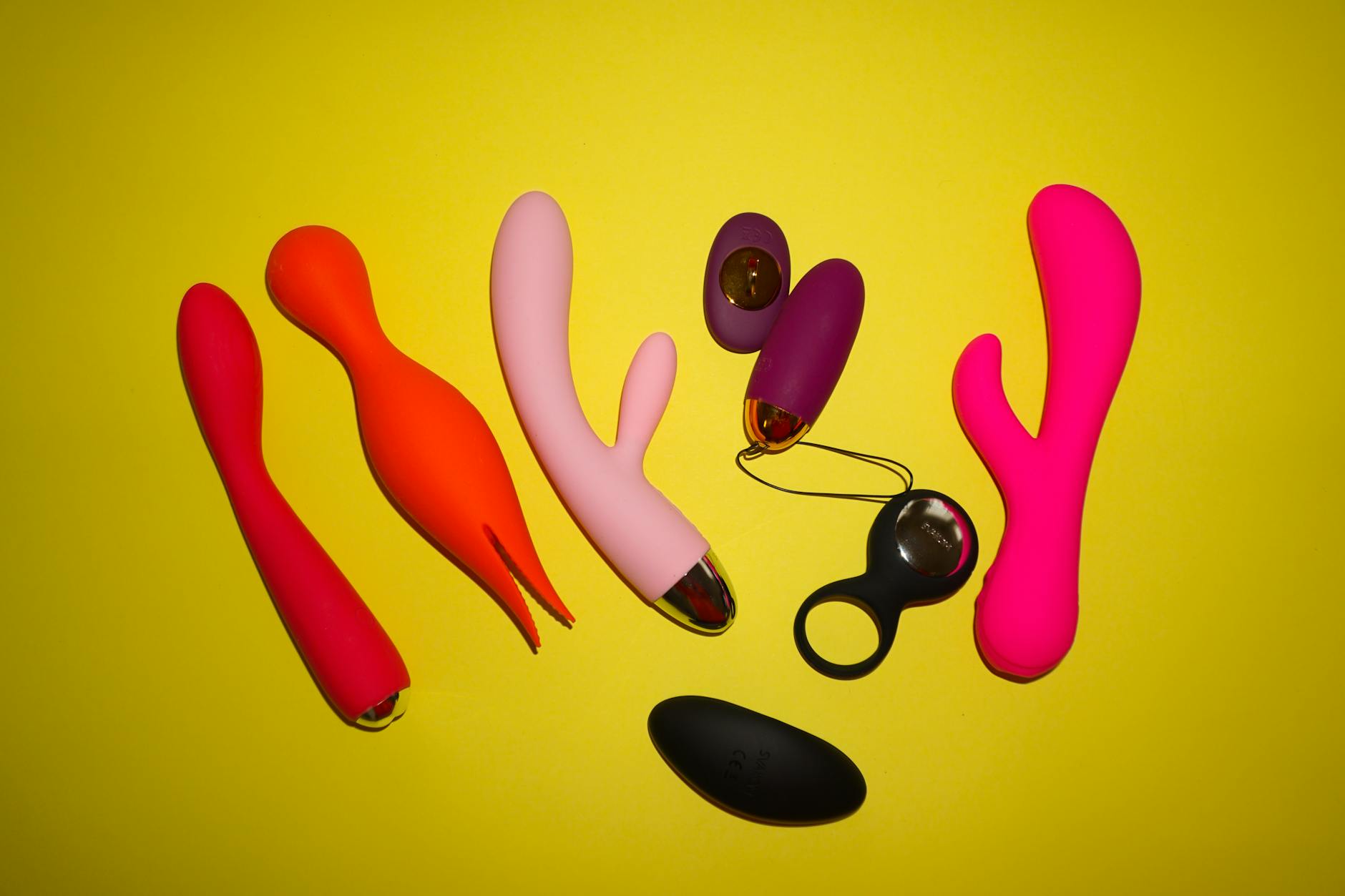
Let's name what's happening
You started an antidepressant. Within weeks, your brain chemistry stabilized. Your mood lifted. But somewhere in that same window, arousal got slower. Desire flattened. Orgasms either vanished or arrived late to the party. You're left wondering: Did I trade my mental health for a sexless existence?
You didn't. But the frustration is completely valid.
What SSRIs actually do to arousal
Most antidepressants work by raising serotonin levels in the brain. That's the part that quiets anxiety and steadies mood. But serotonin also regulates sexual response. Higher serotonin can dampen the signal that kicks arousal into gear. It's not about desire disappearing. It's about the nervous system taking longer to warm up.
Some people feel this mildly. Others hit a wall. About 40-60% of people on SSRIs report some sexual side effect, though the range is wildly individual. Your body, your neurology, your dosage, and the specific drug all play a role.
Here's what doesn't change: your capacity for pleasure. Your clitoral nerve density. Your brain's ability to experience orgasm. What changes is the speed at which the system engages.
Why arousal takes longer (and what that really means)
Think of arousal as a chain reaction. Blood flows to genital tissue. Nerve endings fire. The brain receives signals and sends back more signals. On SSRIs, that chain still happens. It just needs more time, more direct stimulation, or both.
Most people notice one of three patterns:
Pattern 1: Delayed onset. You need 20-30 minutes of foreplay where you used to need five. The signals are building, just slowly.
Pattern 2: Reduced intensity. Arousal arrives but feels muted. The physical response is there but quieter, less urgent.
Pattern 3: Orgasm delay. You can get aroused fine. Reaching climax takes twice as long, or feels harder to access.
None of these mean your pleasure is broken. They mean your body needs a different approach.
Why lemon vibrators change the equation
Here's the thing about suction-based stimulation like the Lem: it bypasses the slow-building arousal cycle and delivers intense, sustained sensation directly to the clitoris without requiring that gradual warm-up.
Traditional vibrators rely on rhythmic friction. They're effective for many people, but they demand that your nervous system build momentum gradually. With SSRI-related arousal delays, you might vibrate for 15 minutes and still feel disconnected from the sensation.
Lemon clitoral vibrators work differently. The suction mechanism creates a seal that pulls and releases tissue in a rhythm that stimulates multiple nerve pathways at once. For people on antidepressants, this often means:
- Sensation that registers faster (because suction activates different neural pathways than vibration alone)
- Intensity that feels more present even when arousal feels dampened overall
- Orgasms that feel more achievable because the device is doing heavier lifting
- Less frustration because you're not waiting 30 minutes for your body to "catch up"
The practical adjustments that matter
If you're using a lemon vibrator for the first time while managing arousal delays, a few tweaks make a real difference.
Start with a warm-up. Even though suction works faster than traditional vibration, spending 5-10 minutes on foreplay (with a partner or solo) helps your nervous system settle into the experience. Your brain still needs permission to relax into pleasure, even if your body responds faster.
Use lubricant. SSRIs can reduce natural lubrication for some people. Water-based lube makes suction more comfortable and helps sensation register more clearly.
Experiment with intensity. Most lemon vibrators have a range of suction strengths. Start at a lower setting and work up. You're not looking for the strongest sensation right away. You're looking for the setting that lets you feel present in your body.
Time it strategically. If you take your medication in the morning, sexual response is often better in the evening when the dose has been in your system for a while. If you're dealing with numbness, exploring solo first (before partnered sex) takes off performance pressure and lets you reconnect with sensation without an audience.
When to talk to your doctor
If arousal delay is mild and manageable with the adjustments above, you don't need to change anything. Your medication is working. Your pleasure is still accessible, just different.
But if arousal has completely flatlined or orgasms have become impossible, that's worth mentioning. You have options:
Dosage adjustment. Sometimes lowering the dose slightly maintains mood stability while reducing sexual side effects. This isn't about abandoning treatment. It's about finding the sweet spot.
Timing shift. Taking your medication at a different time of day can sometimes reduce its peak effect during the hours when you want to be intimate.
Medication switch. Some antidepressants have lower sexual side effects than others. Wellbutrin, for example, is often less likely to cause arousal delays than SSRIs. Switching isn't failure. It's optimization.
Augmentation. A second medication can sometimes offset sexual side effects. This is something a psychiatrist or GP familiar with sexual health can discuss with you.
The key is talking to the person who prescribed the medication. They've heard this before. They take it seriously. And they want you to stay on medication that works for your mental health while also having a sex life you enjoy.
The intimacy piece (if you have a partner)
If you're partnered, the emotional texture matters as much as the physical adjustment. Starting an antidepressant often arrives with relief. You feel better. But your partner might notice the arousal shift before you do. Some people feel rejected. Some worry the medication broke something.
Here's what helps: name it clearly. "My body is responding to the medication. I still want you. This is just a logistics thing, not a desire thing." Then show them. Introduce the lemon vibrator together. Let them see that pleasure is still on the table, just accessed differently now.
For many couples, this becomes a gift. Slowing down arousal forces you to be more intentional. You can't rely on spontaneous quickies. You have to actually plan intimacy, which ironically often deepens the whole experience.
The long view
When you first start an antidepressant, the sexual side effects feel permanent. They're not. Your body adapts over time. Some people find that after 6-12 weeks, the arousal delays ease slightly. Others find they stabilize at a new normal that's slower than before but still satisfying.
Either way, tools like lemon vibrators give you agency. You're not waiting for your body to cooperate. You're actively rebuilding pleasure on new terms. That matters more than you'd think. It's the difference between feeling broken and feeling resourceful.
Your mental health comes first. Always. The antidepressant is doing its job. Your sexuality isn't collateral damage to that choice. It's just asking for a different approach. And you have one.
FAQ
Can I use a lemon vibrator if I'm on multiple medications?
Yes. Lem vibrators are body-safe silicone and don't interact with any medications. If you're on multiple SSRIs or antidepressants, the arousal delay might be more pronounced, but the device itself is safe to use. If you have any specific medical concerns, check with your doctor, but sexual wellness tools aren't contraindicated by psychiatric medication.
How long does SSRI arousal delay actually last?
For some people, it eases after 6-12 weeks as the body adjusts. For others, it's a permanent side effect that requires management (like using a lemon clitoral vibrator). It's not predictable. Keep a simple note of your experience over the first few months so you can discuss trends with your doctor.
If orgasms are impossible on my medication, does that mean I need to switch?
Not necessarily. First, try the adjustments mentioned here: lube, lemon vibrators, longer foreplay, and timing shifts. If those still don't work, talk to your prescriber. Medication switches or adjustments are worth exploring, but "impossible orgasms" sometimes shifts to "slow orgasms" once your nervous system fully adjusts. Give it time before making changes.
Is it normal to lose desire entirely on antidepressants?
Complete desire loss (not just arousal delays, but actual lack of interest) can happen and is worth reporting. It might be the medication, or it might be depression still working underneath. Your doctor can help untangle which. Don't assume it's permanent.
Can I use a lemon vibrator with a partner while on antidepressants?
Completely. In fact, it can be easier. You're not relying solely on partner-generated stimulation, which can reduce performance pressure. Many couples find that introducing a device like the Lem together actually reconnects them because it removes the frustration of "why is this taking so long" and replaces it with "oh, here's a tool that works for both of us."
Will the medication dosage I'm on matter for how well a lemon vibrator works?
Higher doses of SSRIs often mean more arousal delay. But higher doses don't mean the Lem won't work. If anything, people on higher doses often benefit more from suction-based stimulation because the neural pathways for vibration-based arousal are more dampened. The device compensates for the medication's effect, rather than fighting it.