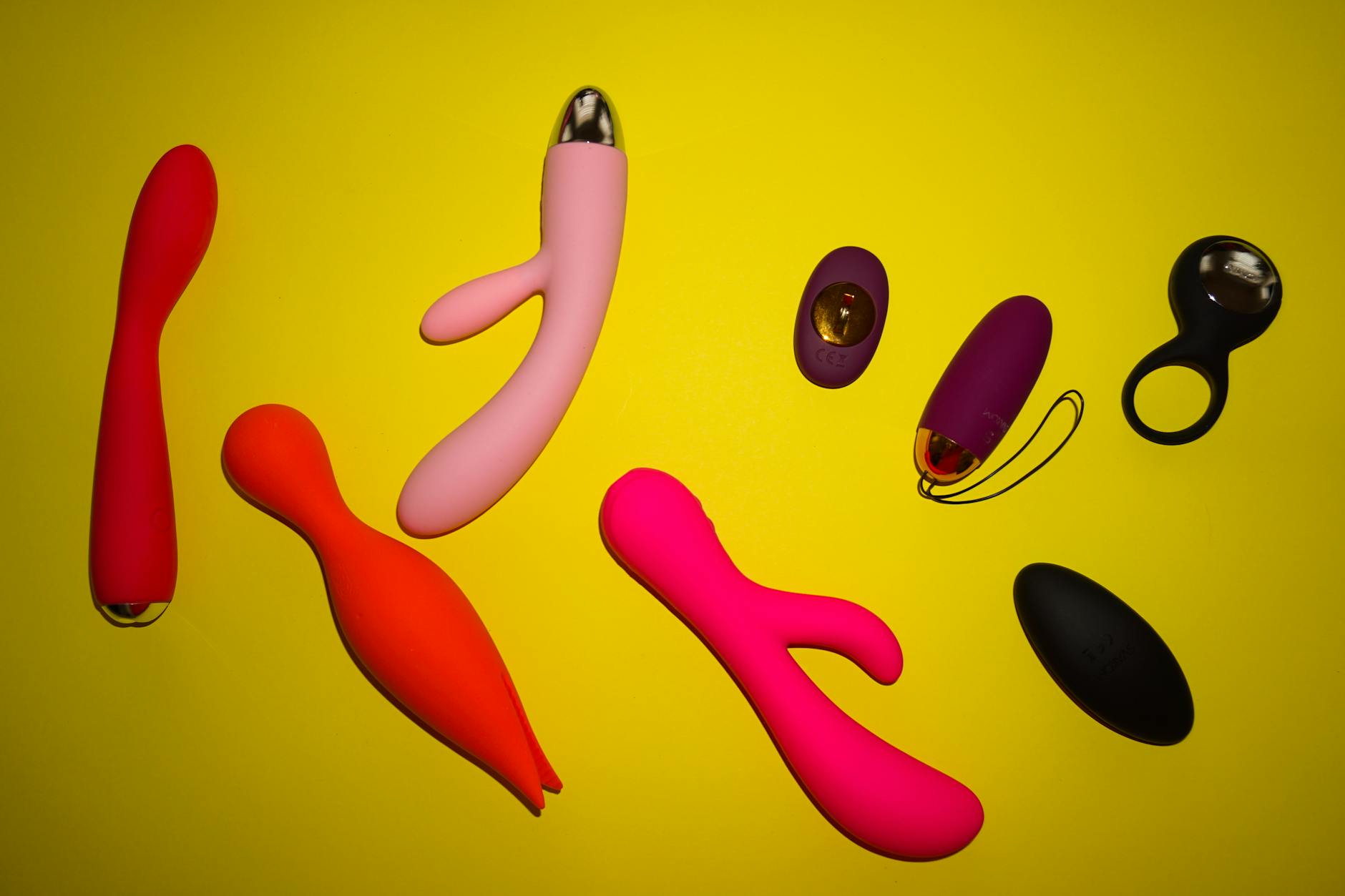
Hormonal changes and pleasure are not opposites
Let's be real: when your hormones shift, your body changes. Tissue thins. Lubrication patterns shift. The speed at which arousal builds can feel slower. Most conversations about this stop there and either hand you a dire warning or an unconvincing reassurance. Both miss the point.
The real story is that your pleasure capacity doesn't disappear. It recalibrates. And the tools you've been using might not fit the new landscape anymore.
What actually changes in tissue sensitivity
When estrogen levels drop, the vaginal and vulvar tissues become thinner and less flexible. This isn't damage. It's a predictable physiological shift. The clitoral tissue also changes in composition. The outermost layer gets more fragile. Blood flow to the area can slow slightly, which means arousal takes longer to register neurologically.
Here's the weird part that no one talks about: sensitivity doesn't decrease uniformly. Some areas become more reactive to light touch. Others need firmer, different kinds of stimulation to register. It's less like a volume dial turned down and more like the frequency changing.
Traditional vibrators, which rely on sustained friction and direct buzzing against tissue, can feel too intense or even uncomfortable on thinner tissue. The stimulation that worked for five years might suddenly feel abrasive.
Why suction-based stimulation works better on changed tissue
Lemon clitoral vibrators use air-suction technology instead of conventional vibration. Here's why that matters when your body shifts hormonally.
Suction stimulates nerve endings without sustained mechanical friction. Instead of pressing and buzzing, it creates a gentle pulling sensation that draws blood to the area and activates nerves in a different pattern. For tissue that's become more delicate, this is gentler while simultaneously being more effective.
The sensation also mimics some of what happened during arousal when estrogen was higher. Suction encourages engorgement. Thinner tissue engorges differently than it used to, but it still engorges. The suction helps coax that process along without demanding the tissue be thick enough to handle direct vibration.
Most of my clients report that they felt pleasure return when they switched from traditional vibrators to a lemon sucker model. Not because the old toy was bad. But because their tissue was asking for something different.
The sensitivity rebound effect
Here's something that happens predictably but rarely gets discussed: when you use a tool that actually suits your current tissue, sensitivity often bounces back harder than before.
This is partly about reduced friction pain. When a vibrator is wrong for your tissue, your body spends energy bracing against discomfort. That's cognitive load that pulls focus away from pleasure. Switch to something suited to your tissue, and suddenly your brain is free to actually receive sensation instead of managing resistance.
It's also partly about blood flow. Air-suction toys encourage engorgement in a sustained way. Over repeated use, tissue health actually improves. Thinner tissue that's regularly engorged, stimulated properly, and given recovery time often regains some thickness and elasticity. Not back to where it was. Different. Often better.
Warm-up time shifts with hormonal changes
When hormones shift, arousal timelines change. Where you might have gotten fully aroused in ten minutes, you might now need fifteen or twenty. This isn't a malfunction. It's just slower blood flow and a gentler cascade of neurological signals.
Lemon vibrators have a built-in advantage here because suction works at lower intensities. You can start at pattern one and actually feel something. With traditional vibrators, pattern one often feels like nothing. You jump to pattern three or four just to register sensation. That's exhausting and often leads to overstimulation.
With air-suction toys, you can extend your warm-up time and actually enjoy the early stages of arousal instead of rushing through them looking for any sensation at all. Many clients find that slowing down actually makes the whole experience more satisfying.
Working with thinner tissue without pain
Pain during sex or masturbation after hormonal shifts is real and incredibly common. It's also completely treatable. Some of it is about the tool. Some of it is about lubrication. Most of it is about listening to what your body actually needs.
Lemon clitoral vibrators reduce friction significantly, which helps. But you still need lubrication. Water-based lube is your friend here. Silicone lube feels richer and more luxurious, but it can degrade silicone toys over time. Stick with water-based. It rehydrates tissue and adds a layer of protection.
Start with lower suction levels. Pattern one or two is a real starting place, not something you skip. Your nervous system needs time to warm up before it's ready for stronger stimulation. This is not settling. This is actually accessing pleasure instead of powering through to find it.
If pain persists even with lube and the right tool, see a provider who specializes in hormonal changes. What you're experiencing might be genitourinary syndrome of menopause, which is treatable with topical creams that have minimal systemic absorption. Pain is your body's sign that something needs attention. Listen to it.
How partners can support this shift
If you're navigating this with someone, separate conversations matter. "My body is responding differently to touch" is not the same as "I'm not attracted to you." Confusing the two turns both into a minefield.
Invite your partner into the process. Let them know that you're exploring tools that work for your current body. If they want to participate, show them how the lemon vibrator works. Demonstrate on your own hand first. Let them feel the suction at different levels. This removes mystery and turns it into shared problem-solving.
Many partners find that introducing a clitoral vibrator that actually works for their partner's tissue makes partnered sex better for everyone. Orgasms that actually happen are better than orgasms that feel inaccessible. This isn't a replacement for partnered touch. It's a tool that makes partnered touch more pleasurable because your body isn't struggling to find sensation anymore.
The sensitivity timeline
Don't expect instant results. Your nervous system needs time to adjust to a new kind of stimulation. Most people notice something within the first week of use. Real changes in baseline sensitivity usually take three to six weeks of regular use.
This is partly about your body learning to respond to suction instead of traditional vibration. It's also about tissue health improving with consistent, appropriate stimulation. Cells are slow. They need repetition to change.
Journal what you notice. Not in a clinical way. Just a quick note: "pattern two felt good," "needed more lube," "that was different." Over a month, you'll see a pattern. You'll know what works. You'll be able to reliably access pleasure again.
Pleasure after hormonal shifts is not diminished. It's redirected.
Your capacity for sensation is still there. Your clitoral nerves haven't gone anywhere. Your brain's reward system is still intact. What's changed is the pathway. Thinner tissue responds differently to touch. Slower arousal is still arousal. Different patterns of sensation can be deeper and more satisfying than what came before.
Lemon vibrators, with their air-suction technology, meet tissue where it actually is right now instead of demanding it be what it was. That's not settling. That's meeting yourself with honesty and the right tools.
If you're in the early stages of exploring this, start with a single low pattern. Give yourself twenty minutes. Extend your warm-up. Use lube. Notice what your body is telling you without judgment. Most of what you'll discover is that sensitivity isn't gone. It just needed you to listen more carefully.
People also ask
How long does it take to feel sensitivity improvement with a lemon vibrator after hormonal changes?
Most people notice something within the first week of use. Real changes in baseline sensitivity and pleasure usually take three to six weeks of consistent use. Your nervous system needs time to learn a new kind of stimulation, and your tissue needs repeated appropriate stimulus to recover and rebuild. Keep a simple note about what you're noticing. Patterns emerge faster than you expect.
Can you use a lemon sucker vibrator if you have very thin or fragile tissue?
Yes, and it's often your best option. Traditional vibrators create sustained friction that can feel abrasive or painful on thin tissue. Suction stimulates nerves without that friction. Start at the lowest pattern, always use water-based lube, and give your body time to warm up. If pain appears even with these precautions, see a healthcare provider. Genitourinary syndrome of menopause is treatable with topical options.
Does a lemon clitoral vibrator work better than traditional vibrators when hormones affect arousal speed?
Yes, for most people. Lower suction intensities still register as genuine sensation, so you can extend warm-up time without getting frustrated. Traditional vibrators often feel like nothing at pattern one, pushing you to skip the early stages of arousal. With a lemon vibrator, you can actually enjoy the slower build. Many clients say this makes the whole experience feel less rushed.
Will my sensitivity come back completely after hormonal changes?
Your baseline sensitivity will likely stabilize at a different set point than before. It's not gone, but it may not be identical. The good news: pleasure often deepens when you're working with your current body instead of fighting it. Many people report that their most satisfying experiences happen after hormonal shifts because they're more attuned to what actually feels good now.
Why does suction feel different than vibration on changed tissue?
Suction draws blood to the area and stimulates nerves without sustained friction. Thinner tissue handles this better. Vibration buzzes directly against tissue, which can feel intense or abrasive when tissue composition has changed. It's not that vibration is bad. It's that suction matches the new tissue landscape better. Some people use both depending on arousal stage.
Should I use more lube with a lemon vibrator if I have hormonal changes?
Yes. Water-based lube rehydrates tissue and reduces friction, which matters more when tissue is thinner. Thinner vulvovaginal tissue actually benefits from lube even during solo use. It's not because you're broken. It's because your tissue is asking for extra support. Water-based works best because silicone lube can degrade silicone toys over time.
What happens next
If hormonal changes have made pleasure feel harder to access, you're not broken. Your body has simply shifted, and the tools that worked before don't fit anymore. A lemon clitoral vibrator is built for tissue that's changed. Most people find that using the right tool for their current body actually reopens pleasure that felt lost.
Start with the lowest patterns. Give yourself real warm-up time. Use lube. Notice what your body tells you. Within weeks, you'll know what works. Pleasure doesn't disappear after hormonal shifts. It just requires listening more carefully and matching your tools to where you actually are. That's not a loss. That's actually becoming more fluent in your own body's language.
Have questions about what might work for you? Let's talk.