Let's talk about how long your vibrator actually lasts
You've just dropped $89 on a lemon clitoral vibrator. The last thing you want to hear is that the battery will die in three months or the motor will quit after a year. Here's the honest answer: with basic care, a quality lemon vibrator should last 3 to 5 years of regular use. Some last longer. Many die way sooner because of one stupid mistake you didn't know you were making.
I'm going to walk you through exactly how to maximize battery life, avoid common durability kills, and know when it's actually time to retire your toy instead of forcing a dead one.
Battery life expectations for lemon vibrators
Most lemon vibrators ship with rechargeable lithium-ion batteries. Here's what that means in practice.
A full charge on the Lem typically delivers 60 to 90 minutes of continuous use, depending on which pattern you're using. Higher intensities drain faster. If you use your vibrator three times a week for 20 minutes each time, you're charging it roughly every 10 to 14 days. Not a big deal.
But here's where people mess up: they let the battery drain to zero repeatedly, then panic-charge it. Lithium batteries hate that. Every time you fully deplete and recharge a battery, you're shaving a tiny bit of capacity off it. After 300 to 400 of those full cycles, the battery won't hold a charge anymore. That's roughly 2 to 3 years if you're careless with charging habits.
If you charge at 20 to 80 percent instead (top it up before it's dead, unplug before it's fully charged), you can extend that to 5 to 7 years. Boring, but it works.
The one thing that kills vibrators fastest
Water.
Not a quick rinse under the tap. I mean soaking, water getting inside the battery compartment or motor housing, or using your vibrator in the shower without letting it fully air-dry afterward. Hello Nancy vibrators are splash-resistant, not waterproof. There's a difference.
Splash-resistant means you can rinse it with water to clean it. It means a stray drop won't destroy it. But sitting it wet on your nightstand overnight? That moisture creeps into the seals and corrodes the circuit board. You'll notice the motor getting weaker, or the button becoming less responsive, or random patterns glitching.
Here's what actually happens: you dry the outside, but moisture is still trapped inside. The corrosion happens slowly, and by the time you realize something's wrong, it's too late.
Dry your vibrator completely after cleaning. Let it air dry for at least 15 minutes before storing it. If you use it in the shower, dry it immediately after. If you spilled something on it, don't just wipe it down. Unplug it, let it sit for 24 hours in a dry place, and test it carefully before using it again.
Heat and storage kill batteries slower but just as dead
Leaving your vibrator in a hot car, on a sunny windowsill, or in a bathroom cabinet where steam builds up during showers will degrade the battery. Lithium batteries are sensitive to temperature. Consistent heat above 77 degrees Fahrenheit (25 Celsius) accelerates chemical breakdown.
Store your vibrator in a cool, dry place. Not in a drawer next to a heat vent. Not in a closed bathroom cabinet where humidity and heat get trapped. A drawer in your bedroom, a nightstand, or a small storage box in a closet is fine.
If you're traveling and leaving your vibrator at home, charge it to about 50 percent before you go. A partially charged battery that's sitting in a cool room will hold its charge better than a fully charged or fully depleted one.
The motor itself: when wear is just wear
The motor in a quality lemon clitoral vibrator is designed to handle thousands of hours of use. But motors do wear out eventually. You'll notice this as a gradual decline in intensity or a slight vibration becoming slightly less vigorous over time.
That's not a failure. That's a 4-to-5-year-old vibrator that's been used regularly, and the motor bearings have some friction. It's like driving a car for 80,000 miles. It's still reliable, but it's not brand new.
The motor fails prematurely if you drop the vibrator repeatedly, submerge it in water, or use it with the motor running while applying extreme pressure (like pressing it hard against your body without any flexibility). Vibrators need to move freely to work well. If you're crushing it into yourself or twisting the body while it's running, you're stressing the motor.
Use gentle to moderate pressure. Let the vibrator do the work. Your body will thank you, and your motor will last much longer.
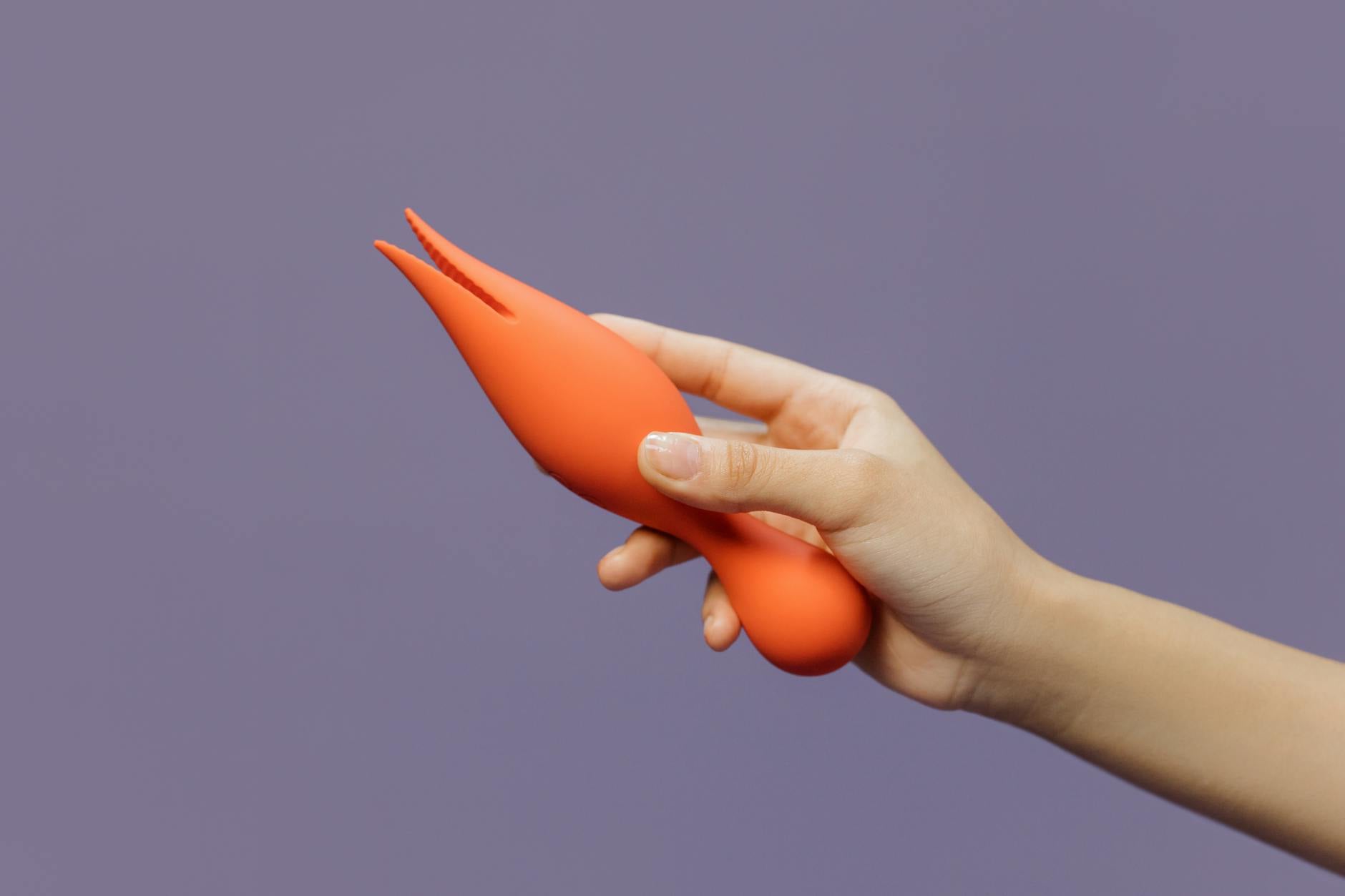
Photo by cottonbro studio on Pexels
Charging habits that actually matter
Four simple rules:
Use the original charger. Not a random USB cable. Not a laptop charger. The cable that came with your vibrator is designed for the specific battery size and safety specs. A wrong charger can overcharge the battery and cause the cells to expand or leak.
Don't leave it charging overnight. Most vibrators are smart enough to stop charging once the battery hits 100 percent, but leaving it plugged in for 8 to 10 hours keeps the battery at full capacity the entire time. That stresses the cells. Charge for 1 to 2 hours, then unplug.
Charge at room temperature. Don't charge in a hot room or on a sunny windowsill. Charging generates a little heat, and adding ambient heat on top of that speeds up battery degradation.
Charge before a trip. If you're traveling and know you'll use the vibrator, charge it fully a few hours before you leave. You want fresh battery, not a partially charged one that's been sitting in luggage for a week.
How to tell if your vibrator is actually dying
There are four stages. Know the difference so you don't panic unnecessarily.
Stage 1: Battery drains faster than it used to. You used to get 90 minutes of continuous use. Now it's 70. The battery is aging. You haven't broken anything. This is normal after 2 to 3 years of regular use. You can still use the vibrator. Just charge it more often.
Stage 2: Some patterns feel weaker than others. Higher intensities drain battery faster and may feel less powerful. Lower patterns still feel normal. The battery is nearing the end of its life. You might get another 6 to 12 months of use. Still fine.
Stage 3: The button is less responsive or sticky. This usually means moisture or debris in the button mechanism, not a battery issue. Clean the charging port and the seams with a dry cotton swab. Let it dry for 24 hours. Often that fixes it.
Stage 4: The motor doesn't run at all, or only runs intermittently. This is battery death or a deeper motor issue. Check if it's charged. If it's charged and still nothing happens, the battery has failed or the circuit board is fried. Time for a new vibrator.
Don't confuse stage 1 or 2 with stage 4. A vibrator that's slower or weaker than it was new is still working. It's just older. Only replace it when it stops running entirely.
When you're just starting out
If you're new to lemon clitoral vibrators, here's what you should know upfront: the device you buy should last you years if you care for it. Don't panic about battery life. It's genuinely not fragile. A few basic rules and you're good.
Charge before the battery is dead. Keep it dry. Store it cool. You'll get your money's worth and then some.
People Also Ask
How many times can you charge a lemon vibrator before the battery dies?
Rechargeable vibrators typically handle 300 to 500 full charge cycles before battery capacity degrades noticeably. If you charge when the battery hits 20 to 30 percent instead of waiting until it's empty, you can push that to 500 to 1,000 cycles. That's the difference between 2 years and 5 years of regular use. Partial charges extend lifespan significantly.
Can you overcharge a clitoral vibrator?
Most modern vibrators have smart charging circuits that stop charging at 100 percent, so technically you can't overcharge them. But leaving your vibrator plugged in for 12+ hours constantly keeps the battery at full charge, which creates stress on the cells over time. Charge for 1 to 2 hours, then unplug. It takes 30 seconds and adds years to battery life.
Is it safe to use a lemon vibrator while it's charging?
No. Vibrators should never be used while plugged in. Using an electronic device that's connected to power while it's wet or even just in contact with your skin poses a safety risk. The charging port creates a potential pathway for current. Always unplug before use, even if the charge isn't complete.
What happens if water gets inside my vibrator?
If water enters the battery compartment or motor housing, it will corrode the circuit board and eventually kill the motor. This usually happens slowly. You might notice patterns glitching, the button becoming less responsive, or the motor feeling weaker. If you think your vibrator has water damage, let it air-dry completely (24 to 48 hours in a warm, dry place) before using it again. If it still doesn't work, the damage is permanent.
Do lemon sexual toys need special storage to last longer?
Yes. Store your vibrator in a cool, dry place away from direct sunlight and heat sources. A drawer in your bedroom, a small box in a closet, or a nightstand are all fine. Avoid hot cars, humid bathrooms, and anywhere near radiators or heat vents. If you're storing it long-term (more than a month), charge it to about 50 percent before putting it away. A partially charged battery in a cool environment lasts longer than a fully charged one.
How do I know when to replace my lemon vibrator instead of trying to fix it?
Replace it if the motor won't run at all after charging, or if the battery no longer holds a charge even after letting it rest and trying again. Replace it if there's visible corrosion in the charging port or cracks in the body that expose the electronics. If it's just slower than it used to be or a pattern feels weaker, that's normal aging. You can keep using it. Only replace when it stops functioning entirely.
The bottom line
A quality lemon clitoral vibrator is built to last. You're not buying something that will die in a year or two. You're buying something that, with basic care, will be a reliable part of your pleasure routine for years.
Charge thoughtfully. Keep it dry. Store it cool. That's it. You've got this.
If you have questions about caring for your vibrator or want to know more about how to use a lemon clitoral vibrator for maximum pleasure, we're here to help. Reach out to Hello Nancy anytime.