
Let's talk about what nobody warns you about
Pelvic floor dysfunction is one of the quietest libido killers out there. Unlike hormonal shifts or relationship tension, which people talk about openly, pelvic floor issues sneak up on you. One day you're fine. The next, penetration hurts, orgasms feel distant, or your whole pelvic area feels numb. And then pleasure just stops.
Here's the thing: your pelvic floor didn't break on purpose. It got tight, overworked, or traumatized. And if it did, the pathway back to sensation exists. It's just not the path you'd normally take.
What pelvic floor dysfunction actually does to pleasure
Your pelvic floor is a group of muscles that cradles your bladder, uterus, and bowel. When they work right, they contract and release with ease. They help you orgasm. They let you feel sensation during sex. They support arousal.
When they're dysfunctional, they either stay too tight (hypertonic) or too weak (hypotonic). Both kill pleasure in different ways.
Tight pelvic floor muscles can make everything feel numb. You stimulate the area and feel nothing, which is one of the most frustrating experiences because you're not broken, your muscles just won't relax enough to let sensation through. Weak pelvic floor muscles can make orgasms feel hollow or impossible, because the muscles that are supposed to contract during climax have lost tone.
Either way, the brain starts associating touch with frustration instead of pleasure. After weeks or months of this, you stop wanting to try.
Why lemon vibrators are different for recovery
Most vibrators use direct, repetitive vibration. That feels great when your pelvic floor is relaxed and responsive. But when you're in recovery, direct vibration can be overstimulating or trigger the very tension you're trying to release.
Lemon clitoral vibrators work differently. The suction mechanism gently draws blood to the clitoris and stimulates the deeper nerve endings without the harsh percussion of a traditional vibrator. For someone with pelvic floor dysfunction, this matters because suction actually encourages relaxation instead of tension.
I've worked with dozens of people rebuilding sensation after pelvic floor issues, and they consistently report that lemon vibrators feel more approachable than conventional toys. The sensation is gentler, more spread out, less likely to trigger the flinch response that tight pelvic floor muscles have learned.
The retraining protocol that works
You're not just using a toy here. You're retraining your nervous system to recognize pleasure as safe.
Week one: sensation mapping. Use your lemon vibrator on low intensity (pattern 1 or 2) for no longer than five minutes. Don't have a goal. No orgasm target, no performance metric. Just notice what you feel. Where does the sensation live? Is it sharp, dull, warm, tingly? This is pure information gathering. Your job is to prove to your nervous system that touch is safe again.
Week two: micro-sessions with breathing. Same low intensity, still five minutes max. But now add intentional relaxation breathing. Inhale for four counts, exhale for six. This activates your parasympathetic nervous system, which is the only system that allows arousal and pelvic floor relaxation to happen. Your pelvic floor loosens when you're calm. It stays tight when you're anxious. Breathing is the bridge.
Week three: gentle progression. If weeks one and two felt okay, move to pattern 3. Still short sessions. Still focused on relaxation over outcome. You might notice that sensation is starting to return. That's not a sign to push harder. It's a sign to keep doing exactly what you're doing.
Week four and beyond: integration. Once you can use your lemon vibrator for ten minutes without discomfort or numbness, you can start extending sessions or trying them during partnered activity if that's relevant to you. But here's the key: stop the moment you feel tension returning. This isn't willpower. This is information. Your pelvic floor is telling you the pace is too fast.
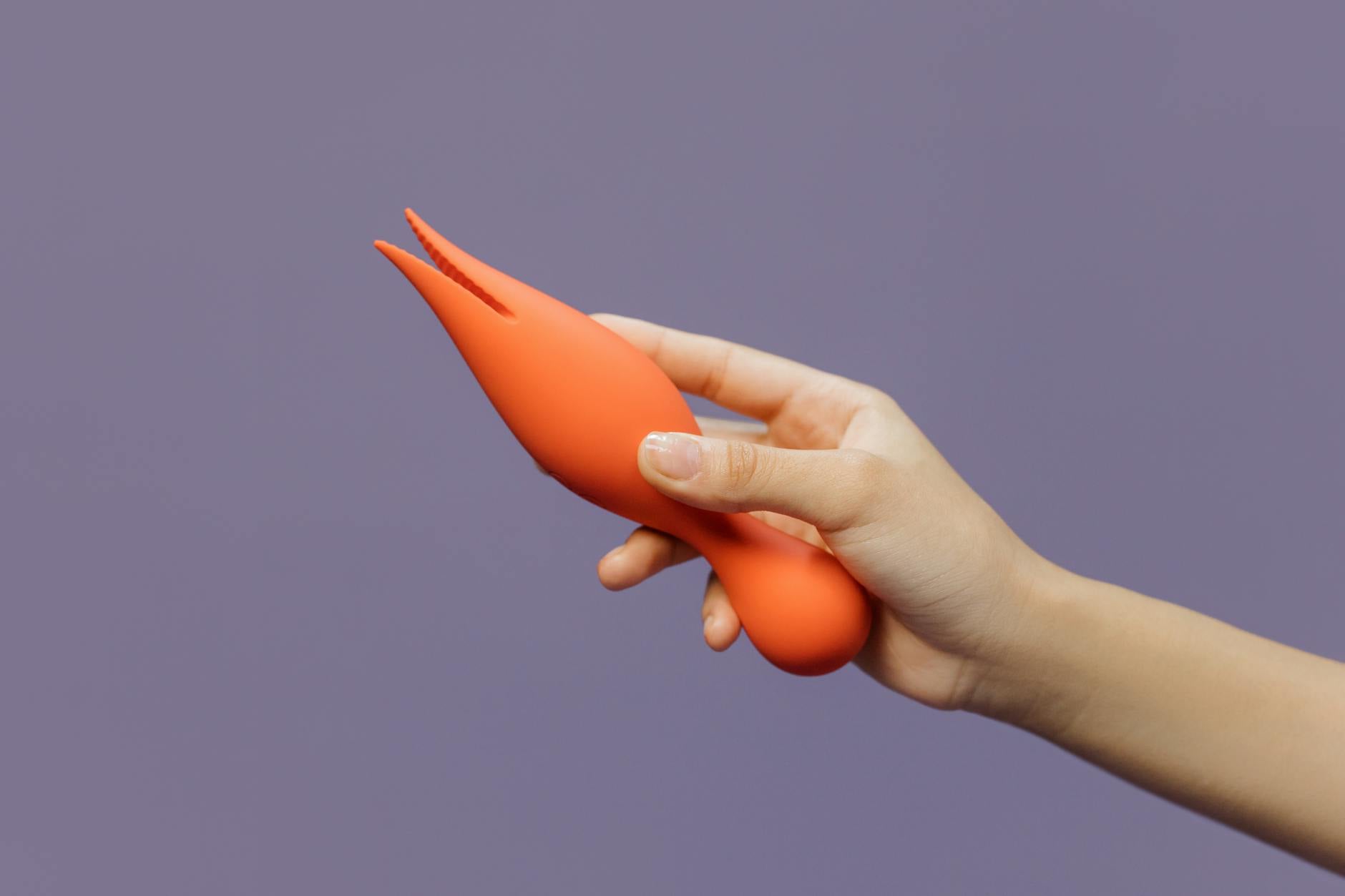
Photo by cottonbro studio on Pexels
The role of physical therapy alongside pleasure
Using a lemon clitoral vibrator is one part of recovery. The other part is usually pelvic floor physical therapy.
A pelvic floor PT will teach you how to actually relax these muscles, not just think about relaxing them. They'll use internal manual therapy, biofeedback, and sometimes trigger point release. This is clinical, not sexy, but it's often the difference between slow recovery and fast recovery.
The vibrator and the PT work together. The vibrator retrains your brain's association with pleasure. The PT retrains the muscles themselves. Without both, you're working with half the toolkit.
If you haven't seen a pelvic floor specialist yet, that's the first step. Everything I'm describing here assumes you're also getting professional guidance.
When numbness feels like a bigger problem
Sometimes pelvic floor dysfunction comes with true numbness, where you genuinely can't feel any sensation no matter what you do. This can happen after childbirth, pelvic trauma, or prolonged tension.
In these cases, vibration alone won't fix it. You might need desensitization work with a PT, topical treatments to improve nerve sensitivity, or sometimes referral to a urogynecologist who specializes in nerve damage.
The lemon vibrator still has a role in this recovery, but it's part of a longer, more comprehensive plan. Don't try to solve true numbness with just a toy.
The permission part (which is actually critical)
Here's what I see most often: people with pelvic floor dysfunction stop trying to have pleasure because it's painful or frustrating. So they stop. Then they feel broken. Then they feel shame. Then the shame makes the muscles tighter.
It's a loop.
Using a lemon vibrator during recovery is also a way of telling your nervous system: I'm allowed to feel good. I'm allowed to try. I'm not broken, I'm just retraining.
That permission, that reclamation of pleasure as part of your healing, matters more than the vibrator itself.
Red flags that mean you need more support
If you're four weeks into gentle lemon vibrator use and sensation hasn't returned at all, that's not failure. It's information. You might need PT, medical evaluation, or both. Pain during use is always a flag to stop and see a specialist. Increasing numbness is a flag. Panic response to touch is a flag.
None of these mean you're permanently broken. They mean you need a more robust team.
FAQ: Pelvic Floor Recovery and Lemon Vibrators
How long does it usually take to recover sensation with a lemon vibrator?
It depends on how long the dysfunction has been there and how severe it is. Some people feel improvement within three weeks. Others need eight to twelve weeks. The timeline also depends on whether you're doing concurrent pelvic floor physical therapy. Sensation recovery isn't linear, so some days will feel better than others. That's normal.
Can I use a lemon vibrator if I have vaginismus?
Vaginismus is involuntary muscle tightening that makes penetration painful. A clitoral vibrator like the lemon doesn't involve penetration, so it's often a safer starting point than anything insertable. But you should still work with a pelvic floor PT or sex therapist. The lemon vibrator is a tool, not a cure on its own.
Is suction better than vibration for pelvic floor recovery?
For most people recovering from pelvic floor dysfunction, suction feels gentler and less triggering than vibration. But this is individual. Some people find that gentle vibration at very low intensity works fine. Work with what your nervous system responds to, not what the internet says you should prefer.
Should my partner be involved in pelvic floor recovery with a lemon vibrator?
That's entirely up to you. Some people prefer solo exploration during recovery because it removes pressure and expectation. Others find partnered use helpful because it normalizes pleasure again within the relationship. There's no right answer. Just communicate what feels safe.
What if I had trauma and pelvic floor dysfunction together?
Then you likely need a trauma-informed pelvic floor PT and possibly a sex therapist alongside any physical work. Trauma lives in the body, and your pelvic floor knows it. A lemon vibrator might help eventually, but healing from trauma plus pelvic floor dysfunction usually requires more than toys. Get the team first.
Can I use a lemon vibrator during penetrative sex after pelvic floor recovery?
Yes, once you've regained sensation and confidence. But take it slow. Your pelvic floor will be newly sensitized, so gentle is still the rule. Combining clitoral suction from a lemon vibrator with penetration can actually help you relax the pelvic floor because the pleasure response overrides the tension response. But only when you're ready.
The recovery mindset that actually works
Pelvic floor dysfunction is frustrating because there's no visible injury. You can't see a cast or a scar. But the pain and numbness are real, and the loss of pleasure is real.
Recovery is slow. It's boring. It's not sexy. And it matters.
Using a lemon vibrator during recovery is an act of patience with your body. It's proof that pleasure is still possible. It's the beginning of rebuilding trust between you and sensation.
If you're in the middle of this right now, know that it gets better. Not because of the vibrator alone, but because sensation can return. Pleasure can return. Your pelvic floor can learn to relax again.
You're not broken. You're just being patient with the healing timeline.
If you want to talk through what recovery might look like for your specific situation, reach out. I'm here for the complicated stuff.