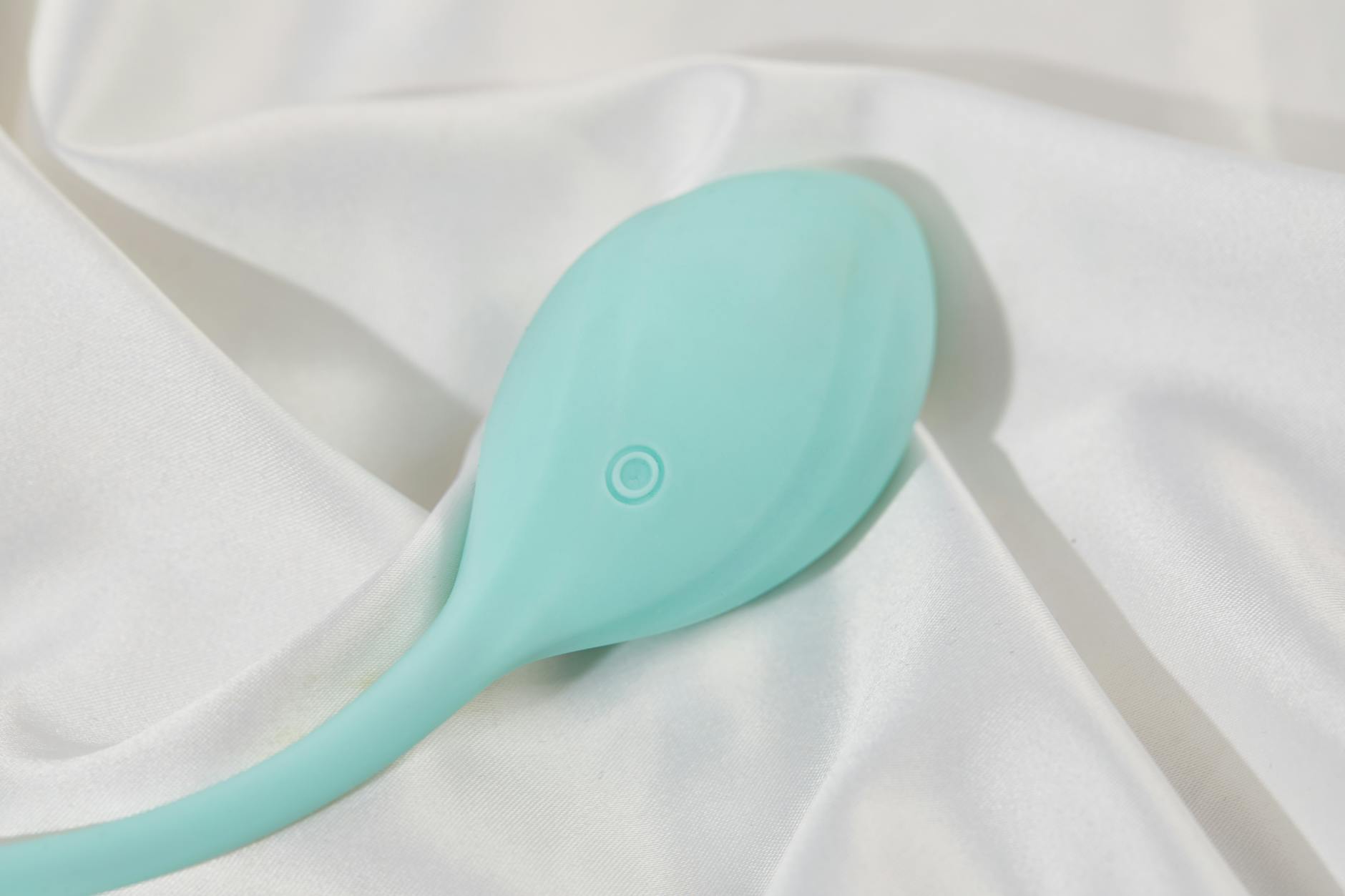
Here's the thing about perimenopause and pleasure
One month your usual routine feels incredible. The next month, the exact same toy at the exact same setting feels wrong. You're not broken. Your hormones are literally rewriting your nervous system's response to stimulation every few weeks.
Perimenopause is not menopause. It's the 5-10 years before menopause when your body is still ovulating irregularly, and estrogen and progesterone are swinging wildly. This hormonal instability changes how blood flows to your genitals, how sensitive your clitoris feels, how quickly you can orgasm, and which types of stimulation actually work. A lemon clitoral vibrator, with its gentle suction technology, adapts to this chaos better than traditional vibrators do. Here's why and how to use it.
Why perimenopause makes pleasure unpredictable
Estrogen and progesterone don't decline steadily during perimenopause. They spike and dip erratically. Some months you're riding high estrogen, other months you crash. Each hormone affects your pleasure differently.
When estrogen is high (usually the week after your period), tissue is thicker, more elastic, and more sensitive to stimulation. Blood flow is robust. Orgasms might come quickly and feel more intense. When estrogen drops or progesterone dominates, tissue gets thinner, sensitivity drops, and you might need more time to warm up. The clitoris literally changes size and positioning slightly depending on your hormonal phase.
This isn't mood. This isn't psychological. The vaginal opening actually becomes narrower during high-progesterone phases. The clitoris retracts slightly. Lubrication changes. Your body is not being difficult. It's responding exactly as it should to chemical signals your ovaries are sending.
Vibration can feel too intense or too blunt depending on these shifts. Suction, the technology Hello Nancy's lemon vibrators use, is gentler and more adaptable. It stimulates without the same mechanical pressure, which matters when your tissue sensitivity is bouncing around month to month.
The monthly rhythm of perimenopause pleasure
Think of your perimenopause cycle in four phases, even if your actual period is irregular.
Menstrual phase (bleeding). Estrogen and progesterone are both bottoming out. You might feel less interested in solo pleasure, or you might crave stimulation for the endorphins and pelvic floor relief. If you do use a lemon clitoral vibrator here, start lower than usual. Your tissues are shedding and can feel tender. Keep sessions shorter, maybe 10-15 minutes instead of your usual 20-30.
Follicular phase (post-period to ovulation). Estrogen is climbing. This is often your golden window. Your clitoris is engorged with blood, sensitivity is high, and you might orgasm faster than usual. You can handle higher suction intensity here. This is the phase where you might try pattern 4 or 5 on the Lem if you normally stick to 1-3. Your nervous system is primed.
Ovulation window (mid-cycle). A brief spike in hormones. Desire might feel urgent. This is often a good time to experiment or try longer sessions. Everything's working well and your pain threshold is higher. Take advantage of it.
Luteal phase (post-ovulation to period). Progesterone is climbing, estrogen is falling. This is where things get tricky. You might feel more anxious, bloated, or disconnected from your body. Your clitoris might feel less sensitive or almost numb. Expect to need longer warm-up time, more lubrication, and gentler stimulation. A lemon clitoral vibrator is ideal here because you're not forcing pressure through thick tissue. Suction is inviting, not demanding.
Many people find that logging these shifts for two or three cycles helps them predict their own patterns. You don't need an app. A note in your phone works. "Day 7: Lem at pattern 2, took forever, felt good though" is the level of detail that matters.
Why lemon vibrators beat traditional toys during hormonal flux
A standard vibrator creates pressure and buzz. Both can feel overwhelming when your clitoris is withdrawn or oversensitive, and both can feel too blunt when you need more focused stimulation. A lemon suction toy works differently. It creates a gentle vacuum seal that mimics oral sensation, with pulses of suction rather than mechanical vibration.
This matters during perimenopause because suction is inherently more adaptable. You can control the intensity not just by pattern selection but by how you position the toy and how much of your clitoris you're drawing into the cup. During high-sensitivity weeks, you can use only partial suction. During low-sensitivity weeks, full seal and higher patterns. The same toy feels completely different depending on how you use it.
Traditional vibrators are more binary. It's either on or off, and the stimulation is roughly constant across your tissue. A lemon clitoral vibrator lets you modulate the experience moment to moment. This flexibility is crucial when your body is changing week to week.
How to adjust your lemon toy technique through the month
Start by noticing which patterns and techniques feel best in each phase. You don't need to nail this immediately.
Days 1-7 (menstrual and early follicular). Use patterns 1-2. Keep sessions under 20 minutes. Your tissues are shedding, so gentleness is kindness. You might want a water-based lube even if you don't usually. Take your time warming up. Your body needs permission to be tender here.
Days 8-14 (mid-to-late follicular). Intensity ramps up now. Try patterns 2-4. Your clitoris is fuller and more responsive. You can handle longer sessions, 25-35 minutes if you want. You might orgasm faster here. Let it happen. Don't force complexity or edging techniques. This phase is forgiving.
Days 15-21 (ovulation and early luteal). The sweet spot often continues here. Stay with patterns 3-5 if they feel good. This is when some people like to explore new positions or sensation combinations. Your body is resilient and interested. Use that.
Days 22-28 (late luteal). Dial it back. Patterns 1-3, longer warm-up (aim for 15-20 minutes of foreplay before the Lem), and more lube than usual. Progesterone makes you feel less interested in climax sometimes. That's fine. Pleasure can be about sensation and time with yourself, not outcome. Some people find that during this phase, a vibrator at a consistent, lower pattern feels meditative rather than goal-oriented.
What to actually do if perimenopause kills sensation
Some people hit a phase where their clitoris feels almost numb. This is common and temporary. Your estrogen has bottomed out, blood flow to genital tissue has dropped, and stimulation feels like you're touching someone else's body.
Don't panic. Don't push harder. Do this instead.
Switch from suction to a gentler, longer warm-up. Spend 10 minutes with fingers, light touch, slow breathing. Let your body remember pleasure exists. Then add the lemon toy at the lowest pattern. Keep the cup seal light. You're not trying to force orgasm. You're trying to wake up sensation. This might take 30-40 minutes. That's okay.
If numbness persists for more than a week into your luteal phase, a topical estrogen cream prescribed by your doctor can help. Many people don't realize this is an option during perimenopause too, not just post-menopause. A few applications per week can restore local blood flow and sensation without systemic side effects.
Water-based lube is also non-negotiable during low-sensation phases. It's not about being broken. It's about meeting your tissue where it actually is.
Partner communication during perimenopause pleasure shifts
If you share a bed with someone, they might notice your interest or responsiveness changing week to week. Some people interpret this as "they're not into me anymore." It's actually "their ovaries are having a moment."
You don't need to narrate your entire cycle to your partner. You do need to say something like: "My body feels really responsive this week, let's make time" and "I'm in a low-energy phase, I need more foreplay and more patience." This isn't asking for sympathy. It's giving information.
If you're using a lemon clitoral vibrator solo, and it's improving your pleasure and your relationship, great. If they want to be involved, that's a separate conversation about what that looks like. Some people love watching. Some people like to learn what you need and help. Some people prefer to stay out of it. All of those are fine. The important part is clarity.
When to seek actual help
If your clitoris hurts during perimenopause, that's worth mentioning to your doctor. Sharp pain, burning, or sustained soreness is not a hormonal phase. It might be genitourinary syndrome of menopause starting early, or it might be something else entirely.
If you're bleeding unusually heavily or have spotting that lasts more than a few days between periods, get that checked. Perimenopause can cause weird bleeding, and sometimes it's just hormonal chaos. Sometimes it's worth ruling out.
If you've lost all interest in pleasure for more than a month and it's affecting your mood or relationship, talk to a therapist or doctor. Perimenopause can trigger depression or anxiety. That's medical, not a character flaw, and it's treatable.
Otherwise, assume your body is doing exactly what perimenopause is supposed to do. Buy a lemon suction toy if you don't have one. Log your cycles for a few months. Adjust your technique. And remember: this phase is temporary. Your body isn't broken. It's just rewriting its own manual.
FAQ: Perimenopause, Hormones, and Pleasure
Can I use a lemon vibrator during my period with perimenopause?
Yes, absolutely. Many people find that gentle suction during menstruation actually helps with cramps and releases tension in the pelvic floor. Start with lower patterns and shorter sessions, and use a water-based lube to avoid irritation on shedding tissue. Some people skip it during the heaviest days just for comfort, but there's no medical reason not to use it if it feels good.
Why does my clitoris feel numb during my luteal phase?
Progesterone rises and estrogen falls during the luteal phase, which reduces blood flow to genital tissue and decreases clitoral sensitivity. This is temporary and normal. It usually reverses as your period approaches. If numbness lasts weeks or gets worse, mention it to your doctor, but month-to-month shifts are part of perimenopause.
Should I use lubricant with a lemon clitoral vibrator during perimenopause?
Yes, especially during the luteal phase and any time your natural lubrication feels lighter than usual. Even if you used to produce plenty of lubrication, perimenopause can make tissue drier on certain weeks. Water-based lube works best with silicone toys. A light layer helps prevent irritation and often makes sensation feel better, not worse.
How long will my pleasure patterns stay unpredictable?
Perimenopause usually lasts 5-10 years. During the first half, cycles are often wildly irregular. During the second half, they usually become more predictable, even if they're still not monthly. Once you hit post-menopause (a full year without a period), hormone levels stabilize, and most people find their pleasure patterns become more consistent again. Learning how to use lemon vibrators for better results when you're over 40 can help you navigate that transition too.
Can perimenopause hormones actually change how suction feels on my clitoris?
Completely. When estrogen is high, your clitoris is engorged and slightly larger, so suction pressure might feel perfect. When estrogen is low, your clitoris retracts and tissue becomes thinner, so the same suction pattern might feel too intense or uncomfortable. This is why people using a lemon vibrator often need to adjust their pattern or seal pressure during different phases. Your body isn't being difficult. It's being accurate.
Is it normal to have no interest in pleasure during certain weeks of perimenopause?
Yes. Progesterone can dull desire and make climax feel less urgent. Some weeks you might feel zero interest. Other weeks you might want it constantly. Both are normal. Pressure yourself to want it when you don't. The interest usually comes back. If low desire lasts several months straight, that's worth discussing with a doctor, because it might signal depression or a thyroid issue, not just hormones.
What if my partner wants intimacy during a week when my body feels numb?
That's a conversation, not a problem. You can say: "My body's in a low-sensitivity phase right now, so if we're together, I need longer warm-up and more patience." If your partner is understanding, that often becomes hot and intimate in a different way. If they push back, that's about them, not about you or your body. How to rebuild intimacy with lemon vibrators after relationship strain covers this dynamic more fully.
What happens next
Perimenopause is not a punishment. It's a transition, and your pleasure is negotiable, not fixed. A lemon clitoral vibrator gives you the flexibility to explore what feels good each week without replacing your whole toy collection monthly. Pay attention. Adjust. Give yourself grace during the hard weeks. And remember that the most interesting phase of your sexual life often happens in the years between your reproductive peak and post-menopause. You're not losing pleasure. You're discovering what it feels like when your body is entirely yours.
If you want to talk through how perimenopause is affecting your relationship or your sense of self, reach out. That's what I'm here for.