
Let's be real about medication and orgasms
Your antidepressant is working. Your blood pressure med is keeping you healthy. Your antihistamine lets you breathe. And then there's the catch nobody mentions at the pharmacy: numbness during sex, delayed or completely absent orgasms, or pleasure that's gone flat like week-old soda.
This isn't in your head. It's neurochemistry. And it's fixable without ditching the medication that's actually helping you.
Why medication blunts pleasure
Most drugs that kill your orgasm work through one of three pathways. SSRIs and SNRIs (the most common antidepressants) flood your brain with serotonin to lift mood. That same serotonin, in high doses, suppresses dopamine and norepinephrine—the two chemicals that drive arousal and orgasm intensity. It's like turning up the volume on calm while accidentally turning down the volume on pleasure.
Antihistamines dry out mucous membranes everywhere, including the vulva. Less lubrication means less sensation, and your clitoris has to work harder to fire. Blood pressure medications can restrict blood flow to the genitals, making arousal slower and weaker. Antipsychotics, some birth control pills, and even some pain meds add their own friction to the equation.
The good news: none of these are permanent. Your nervous system isn't broken. It's just been dampened.
How lemon vibrators work differently when sensation is muted
Here's the part your doctor might not explain. Traditional vibrators use rhythmic oscillation—they shake at a fixed frequency, usually 50 to over 100 Hz. If your nervous system is already sluggish from medication, those vibrations might feel like background noise. You're chasing sensation that isn't there.
Lemon clitoral vibrators use pulsed suction technology instead. This creates a pressure wave that stimulates not just the surface of the clitoris, but the internal bulb structure too. For a medication-dampened body, this dual-layer stimulation bypasses some of the numbness. You're not waiting for sensation to travel through a dulled pathway. You're sending multiple signals at once.
The suction also increases blood flow acutely. While you're using the device, local circulation improves. This can restore some of the engorgement that blood pressure meds strip away. It's a temporary bridge, but that's enough to rebuild the connection between your brain and your pleasure.
The exact protocol that works
If you're new to using a lemon vibrator for medication-related numbness, here's the sequence I recommend.
Start at pattern 1 or 2 on the device. This is not the time to jump to intensity 8. Your clitoris isn't broken, but it is desensitized, and pounding it won't wake it up faster. Low suction allows you to feel the pulsing without overwhelming fatigue.
Plan for 20 to 30 minutes, not 5. Medication-affected arousal takes longer to build. Your body might need time to remember what pleasure feels like. That's not failure. That's recalibration.
Use a generous amount of water-based lubricant. Even though suction devices technically don't require the same friction compensation that traditional vibrators do, the extra lubrication signals to your brain that this is a pleasurable act. It's partly physical, partly psychological.
Focus on your own sensation first. If you're using the lemon vibrator with a partner, many people try to perform or rush to orgasm because they're worried about taking too long. That anxiety makes numbness worse. Solo exploration first, partner sex later.
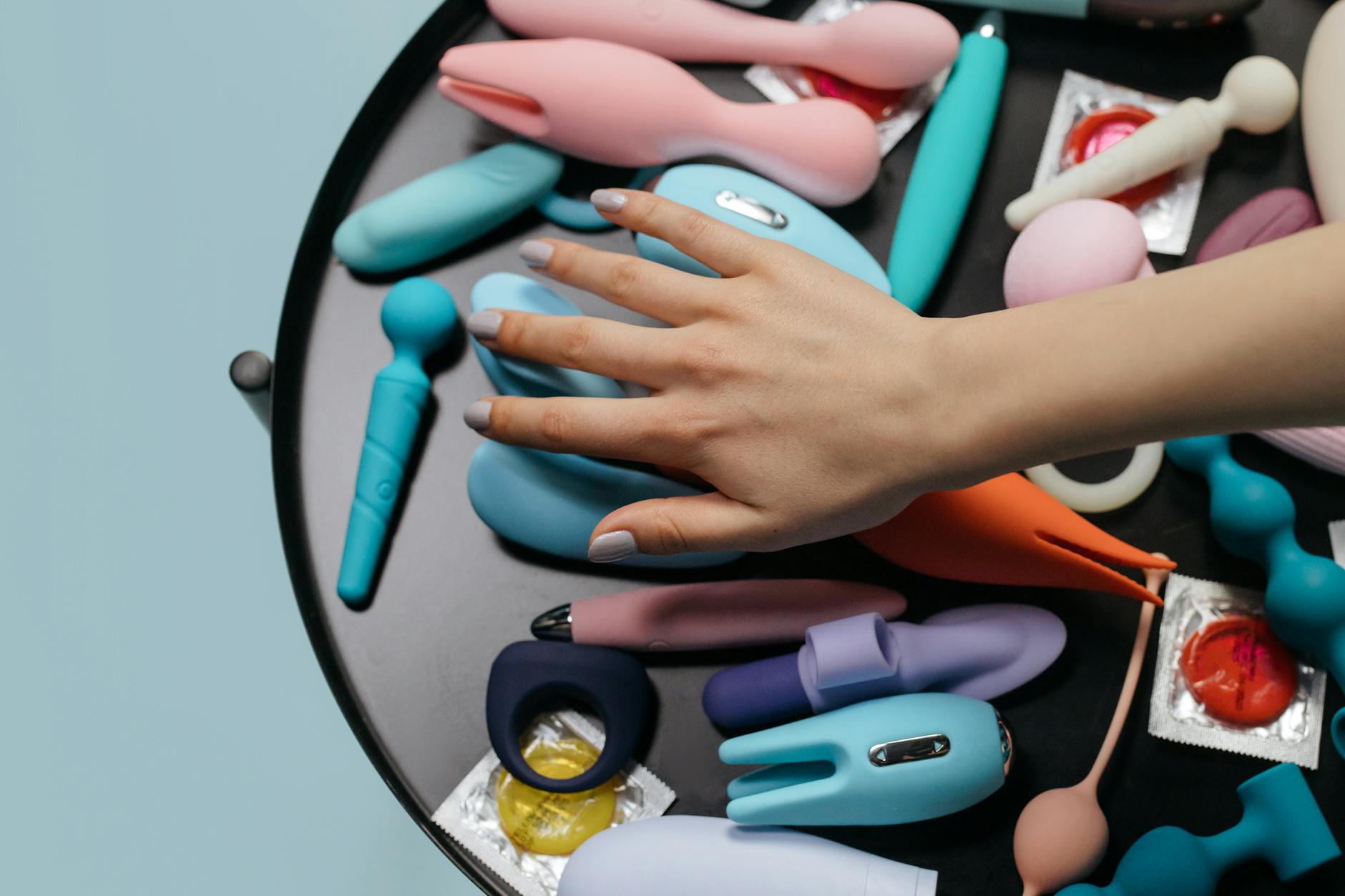
Photo by cottonbro studio on Pexels
When to talk to your doctor about switching medications
Some medications are worse than others. SSRIs and SNRIs cause anorgasmia in about 25 to 60 percent of users, depending on the dose and the specific drug. If you're on sertraline or paroxetine, the risk is higher than on escitalopram or buproprion. Tricyclic antidepressants and atypical antipsychotics can be severe.
If a lemon vibrator helps you orgasm again but it still takes 45 minutes and requires maximum intensity every time, that's your sign to loop in your prescriber. You don't have to choose between mental health and sexual health. Options exist:
Taking your dose earlier in the day (some meds have a narrower window of sexual side effects). Adding a second medication that counteracts the sexual blunting—bupropion augmentation is common, though adding a stimulant isn't for everyone. Switching to a different drug in the same class. Microdosing or timing your dose around sex (only safe with specific meds, and only under supervision). Some people find that their body adapts after 4 to 6 months on a new antidepressant. Others don't.
The conversation with your doctor should sound like: "This medication is working for my mood, but the sexual side effects are affecting my quality of life and my relationship. What options do we have?" Most providers have seen this before. You're not the first, and you won't be the last.
What else actually helps, beyond the vibrator
A lemon clitoral vibrator is a tool, not a cure. The other half of this equation is everything around it.
Cut back on alcohol. If you're drinking to manage anxiety, it's probably also flattening your nervous system further. Alcohol plus antidepressants plus medication-induced numbness is a triple hit on arousal.
Move your body consistently. Cardiovascular exercise improves blood flow everywhere, including your genitals. People on blood pressure meds especially benefit from regular movement. Pelvic floor exercises (Kegels) also help, but only if you're doing them correctly. Many people tense their pelvic floor too much, which creates a different kind of numbness. Focus on squeeze-and-release rhythm, not constant tension.
If you're using the lemon sucker with a partner, rebuild the non-sexual intimacy first. Medication-dulled pleasure is often tangled up with performance anxiety and feeling disconnected. A week of longer foreplay, more eye contact, and absolutely zero pressure for orgasm will change the game more than the vibrator alone.
Consider a quick check-in with a sex therapist or counselor. Not because something is wrong with you, but because untangling medication effects from relationship dynamics is technical work. A professional who understands both can guide you much faster than trial and error.
How to tell if the lemon vibrator is actually helping
Give it at least four to six sessions before you decide. Your nervous system doesn't rewire in a single use. You're teaching your body that pleasure is possible again, and that takes repetition.
Progress might not look like "I orgasm in 10 minutes now." It might look like: you feel more sensation earlier in the session, or you reach orgasm with medium intensity instead of maximum, or your orgasm feels taller and sharper even if it takes the same amount of time, or you stop white-knuckling and actually enjoy the process.
If nothing has shifted after six solid attempts, and you've also had the medication conversation with your doctor, it might be time to explore other equipment or strategies. Some people find that the Lem works better than other suction devices. Others need a combination approach. There's no shame in that.
Quick FAQ
Can I use a lemon vibrator if I'm on SSRIs?
Yes. In fact, SSRIs are one of the most common culprits behind medication-related numbness, and lemon suction vibrators are often more effective for SSRI-users than traditional vibrators because the stimulation pattern is different. Just give your nervous system time to respond, and stick with lower patterns initially.
Will the lemon clitoral vibrator stop working if I keep using it?
Unlike traditional vibrators, suction-based devices don't cause the same kind of habituation. Your nerve endings don't "get used to" the pulsing the way they do with constant oscillation. That said, if you always use the same pattern and intensity, the mental component of pleasure can fade. Rotate patterns. Take breaks. Stay curious.
Should I tell my partner the numbness is from medication, not them?
Absolutely, and soon. If you're using the lemon vibrator with them, they need to understand that it's a tool for medication side effects, not a rejection of them. Many people interpret slow orgasms as a relationship problem. It's not. Say it plainly: "This is the medication, not us. Let's use this device together and take the time we need."
Can I switch to a different antidepressant if the sexual side effects are too much?
Maybe. Some drugs in the SSRI class have lower sexual side effect rates than others. Bupropion, a different class of antidepressant, often improves sexual function instead of harming it. But switching isn't a simple yes. Your brain chemistry is unique, and the drug that works for your depression might be the only one that works. The lemon vibrator bridge buys you time to figure out if switching is worth the risk.
Will my orgasms feel normal again eventually?
Often, yes. If the numbness is purely from medication, and you've also addressed any relationship or anxiety components, sensation usually returns to baseline once you've adjusted to the dose or switched drugs. The lemon sucker accelerates that timeline by teaching your nervous system that pleasure is still possible right now.
The real takeaway
Your medication isn't punishing you. It's keeping you stable, and that matters more than easy orgasms. But "stable mood and numb pleasure" isn't the only option. Lemon vibrators work because they send sensation through a different neural pathway than traditional devices. Pair that with an honest conversation with your doctor, some patience with your own body, and you're not stuck. You're recalibrating.
Your pleasure matters. So does your mental health. Both are possible.