Here's the thing about new relationships after heartbreak
You're not starting from zero. You're starting from experience. That's terrifying and also incredibly valuable. The question isn't how to erase what happened before. It's how to move forward without that fear hijacking your nervous system every time things feel good.
That's where reconnecting with your own pleasure becomes a superpower. And honestly, lemon vibrators make that process less lonely and a lot less complicated.
Why solo exploration matters before partnered intimacy
When you've been hurt, there's a natural instinct to jump straight into rebuilding connection with someone new. But here's what I see in my practice over and over: people who skip the solo phase tend to recreate the same patterns. They move too fast, they merge their pleasure with their partner's needs, and they lose themselves again.
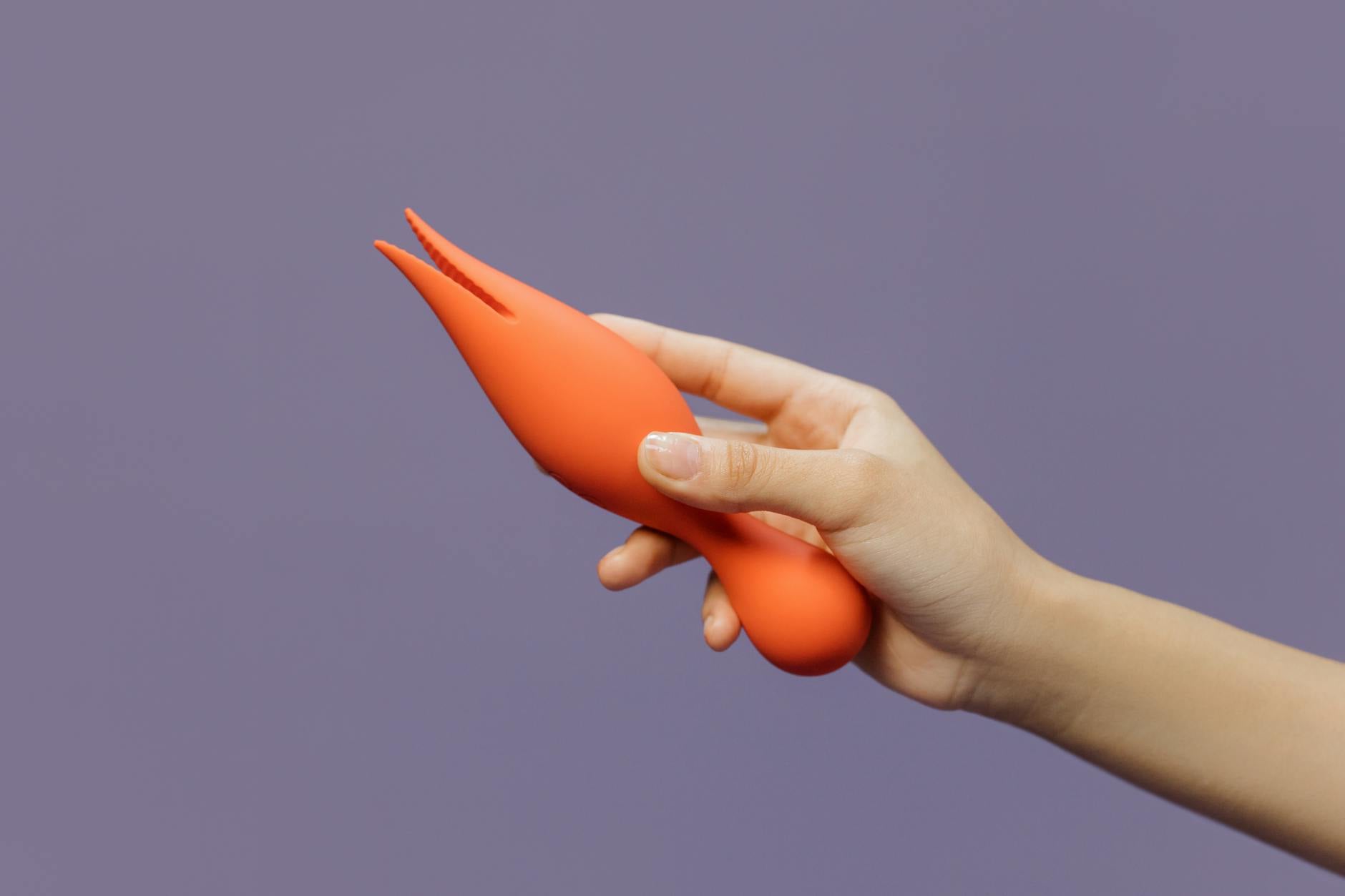
Using something like the Lem vibrator on your own before bringing your partner into the picture serves three functions. First, it reminds your body that pleasure is yours. Not something you earn, negotiate for, or have taken away. Yours. Second, it gives you data. You learn what you actually like, what your body responds to, and what boundaries matter to you. Third, it gives you permission to say no. To your partner, to pressure, to anything that doesn't serve you.
Most of my clients are shocked at how much their pleasure changes once they're no longer operating from a place of proof or performance. The clitoral vibrators work better when you're relaxed. And you're way more relaxed when you're not anxious about whether you're doing it right.
The nervous system piece nobody talks about
Heartbreak doesn't just affect you emotionally. It rewires your threat detection. Your nervous system learns to brace for loss. That's adaptive when someone actually hurt you. It becomes a problem when you're with someone new and your body keeps bracing for the same pain to come back.
Lemon vibrators, specifically air-suction designs like the Lem, work with your nervous system rather than against it. The sensation is different from traditional vibration. It's more of a rhythmic suction that builds gradually. That matters because your nervous system can track it. Your body doesn't feel ambushed. It can settle into the pleasure instead of staying in alert mode.
When you're using lemon clitoral vibrators solo, you're teaching your nervous system a new pattern: stimulation plus safety equals pleasure. That's the foundation you need before inviting someone else into the experience.
The conversation you need to have before anything else
Honestly though, this is where most people mess up. They wait until they're in bed to mention toys. That's backwards.
Have this conversation outside the bedroom, with your clothes on, when neither of you is aroused or vulnerable. Say something like: "I've been doing some work on reconnecting with my own pleasure. Part of that involves using a lemon vibrator. I wanted you to know that because I value us being honest about this stuff. I'm curious if you'd want to explore that together sometime, but there's zero pressure. I'm also happy doing my own thing."
That sentence does three things. It frames the toy as part of your healing, not a sign that your partner isn't enough. It signals that you've thought this through and aren't acting impulsively. And it gives your partner a clear invitation without pressure.
If your partner responds defensively, that's information. Not necessarily a dealbreaker, but useful intel about whether they're ready to rebuild intimacy with you or if they're still operating from their own fear.
How to move from solo to partnered
Once you've both agreed to explore lemon vibrators together, go slowly. The first time is not about orgasms or performance. It's about your partner watching you use it, learning what rhythm you prefer, noticing what your face looks like when you're actually aroused (not what you think your face should look like).
That observation phase is sacred. Your partner gets to see you in pleasure. You get to be seen. That's profound. Most people in long-term relationships never actually watch their partner's pleasure unfold. They're either focused on their own response or they're monitoring for feedback. You get to break that pattern right now.
After a few sessions of you solo while they observe, you can invite them to touch you. Not to penetrate or take over. Just to add one more layer of connection. Their hand on your back, their fingers intertwined with yours, their mouth on your neck. The lemon clitoral vibrator stays in your control. Your partner becomes part of the ritual, not the driver.
What to avoid when you're rebuilding trust
Don't use the vibrator as a fix for intimacy problems that are actually communication problems. If your partner is withdrawn or inconsistent or dismissive outside the bedroom, a toy isn't going to solve that. It'll just be a band-aid on a bigger wound.
Don't bring in a lemon sexual toy as a way to prove you're "cool" or "evolved" or that you don't have baggage from the past relationship. You do have baggage. Processing it is the work. The vibrator is a tool for that work, not evidence that you've moved on.
Don't compare the sensations from the vibrator to sensations from your partner. Different isn't better or worse. It's different. Your partner's touch does things the Lem can't do. The Lem does things your partner can't. Both are valid.
Building a rhythm that works for both of you
Here's what I recommend for couples rebuilding intimacy: start with a weekly date where you both know pleasure is on the agenda. No pressure to perform or reach a specific outcome. Just dedicated time where you're both showing up.
In those sessions, you might use the lemon vibrator during foreplay. You might use it solo while your partner is inside you. You might use it while you're on top. The point is experimentation without stakes. Nothing has to work perfectly the first time.
The rhythm I see work best is: exploration phase (4-6 weeks of trying things), feedback phase (talking about what landed and what didn't), then integration phase (making it part of your normal sexual routine if it feels good).
Most couples get tripped up in the feedback phase because they treat it as criticism. "That didn't feel good" becomes "You're not good at this." They're not the same. One is data. The other is judgment. When you're learning how to rebuild intimacy, you need data, not judgment.
The role of lemon vibrators in reconnecting with pleasure after betrayal
If your previous relationship involved infidelity or broken trust, there's an extra layer here. Your body learned to be suspicious. To brace for abandonment. To not fully surrender to pleasure because that meant being vulnerable to harm.
Using a lemon vibrator, particularly one that gives you full control like the Hello Nancy Lem, is an act of reclaiming agency. You're literally holding the pleasure in your hands. Your partner doesn't control the speed, the intensity, or when it ends. You do.
That distinction matters profoundly when you're rebuilding trust. Because the first trust you have to rebuild is trust in yourself. Trust that you can feel pleasure and it won't come back to hurt you. Trust that you can be vulnerable without being victimized. Trust that your body knows what it needs.
Once you have that, partnered intimacy becomes about connection, not survival.
Common questions when you're starting fresh
Should you use the lemon vibrator every time you have sex? No. It's one tool in a much larger toolkit. Some sessions it'll be part of the experience. Other times you won't use it. Variety and spontaneity matter.
What if your new partner is also healing from past hurt? Then this becomes a mutual process. You're both learning to be vulnerable with someone new. The vibrator becomes a conversation starter, not a threat. "I've been using this to help me reconnect with my pleasure. Would you want to share that with me?" You're inviting them into your healing.
What if the lemon vibrator just doesn't work for you or your partner? That's completely fine. There's no rule that says you have to enjoy it. Some people find that clitoral vibrators work better than suction toys. Some people prefer not using any toys at all. The goal is reconnection, not a specific method.
Is it weird to use a lemon sexual toy when you're trying to build emotional intimacy? Not even slightly. Pleasure and emotional connection are linked. When your body feels good and safe, your nervous system is more available for emotional intimacy. You're literally creating the conditions for deeper connection.
When to bring in professional support
If you find yourself unable to relax during solo exploration, or if using the vibrator triggers anxiety about your past relationship, that's a sign you might benefit from working with a therapist alongside your solo practice. That's not a failure. That's self-awareness.
Similarly, if your partner is consistently dismissive or hostile about lemon vibrators or any exploration of your pleasure, that's a sign the relationship might not be ready for the kind of vulnerability that rebuilding intimacy requires. You can't force someone to be open to your pleasure. And you shouldn't have to.
The long game
Heartbreak teaches you that you're resilient. You survived. Now you get to learn something harder: that you can be vulnerable again and it might work out differently this time. Lemon vibrators, Hello Nancy toys, or any tool that helps you reconnect with your body is just scaffolding for that learning.
The real work is internal. It's deciding that your pleasure matters. That your boundaries are worth maintaining. That you deserve someone who's excited to explore with you, not someone who makes you small.
Use the tools. But do the work.
People also ask
Is it normal to feel nervous about using lemon vibrators with a new partner?
Completely. You're combining two vulnerable things: your own pleasure and trust in someone new. That's a lot. The nervousness usually decreases after the first time you use it together because you realize your partner isn't judging you. They're just witnessing you in pleasure. Most partners find that incredibly hot.
How long should I wait before introducing a lemon clitoral vibrator to a new relationship?
There's no magic timeline, but I generally recommend waiting until you've had the conversation about intentions and boundaries. That usually happens somewhere between three and six months in, but every relationship is different. The question to ask yourself is: do I trust this person with my vulnerability yet? If the answer is maybe or not yet, wait.
Can using the Lem vibrator solo actually help me heal from betrayal?
It can support healing, but it's not therapy. What it does is help you reconnect with the part of you that feels pleasure independent of your partner's validation. That's important. But processing the betrayal itself usually requires talking to a therapist or trusted people in your life. The vibrator is one piece, not the whole puzzle.
What if my new partner wants to use the lemon vibrator on me before I'm ready?
Then you say no, and you notice how they respond to that no. If they push back or make you feel guilty, that's a red flag about their ability to respect your boundaries. If they say okay and check back in later, that's someone worth rebuilding intimacy with.
Do I need to use a lemon sexual toy to rebuild intimacy after heartbreak?
No. Some people heal through touch, conversation, time, and vulnerability alone. Others find that reconnecting with their body through solo pleasure helps them feel safe enough for partnered intimacy again. There's no one path. The vibrator is an option, not a requirement.
How do I know if lemon vibrators are right for me and my partner?
Try it. Have the conversation, agree to explore together, and notice what happens. If it feels good and brings you closer, keep going. If it feels forced or uncomfortable, stop. Your gut will tell you. Trust it.