Let's talk about what nobody mentions
When a long-term relationship ends, you lose a lot more than a person. You lose the muscle memory of desire, the predictable rhythm of touch, the assumption that someone else is waiting to turn you on. Solo pleasure isn't just about physical sensation anymore. It's about remembering who you are when no one is watching.
Here's what I see in my practice: people spend years calibrating their pleasure around a partner's pace, a partner's preferences, a partner's body. When that structure disappears, many discover they're not entirely sure what they actually want alone. That's not a failure. It's just honest.
Why rediscovering solo pleasure feels different this time
There's a psychological shift happening when you move from partnered sex to solo exploration after years of coupling. The stakes feel different because they are.
With a partner, pleasure exists within a relationship context. There's negotiation, compromise, rhythm that serves two people. When you're alone, pleasure becomes purely yours. No one's needs but your own. This sounds simple but it's actually profound. Many people find this freedom destabilizing at first.
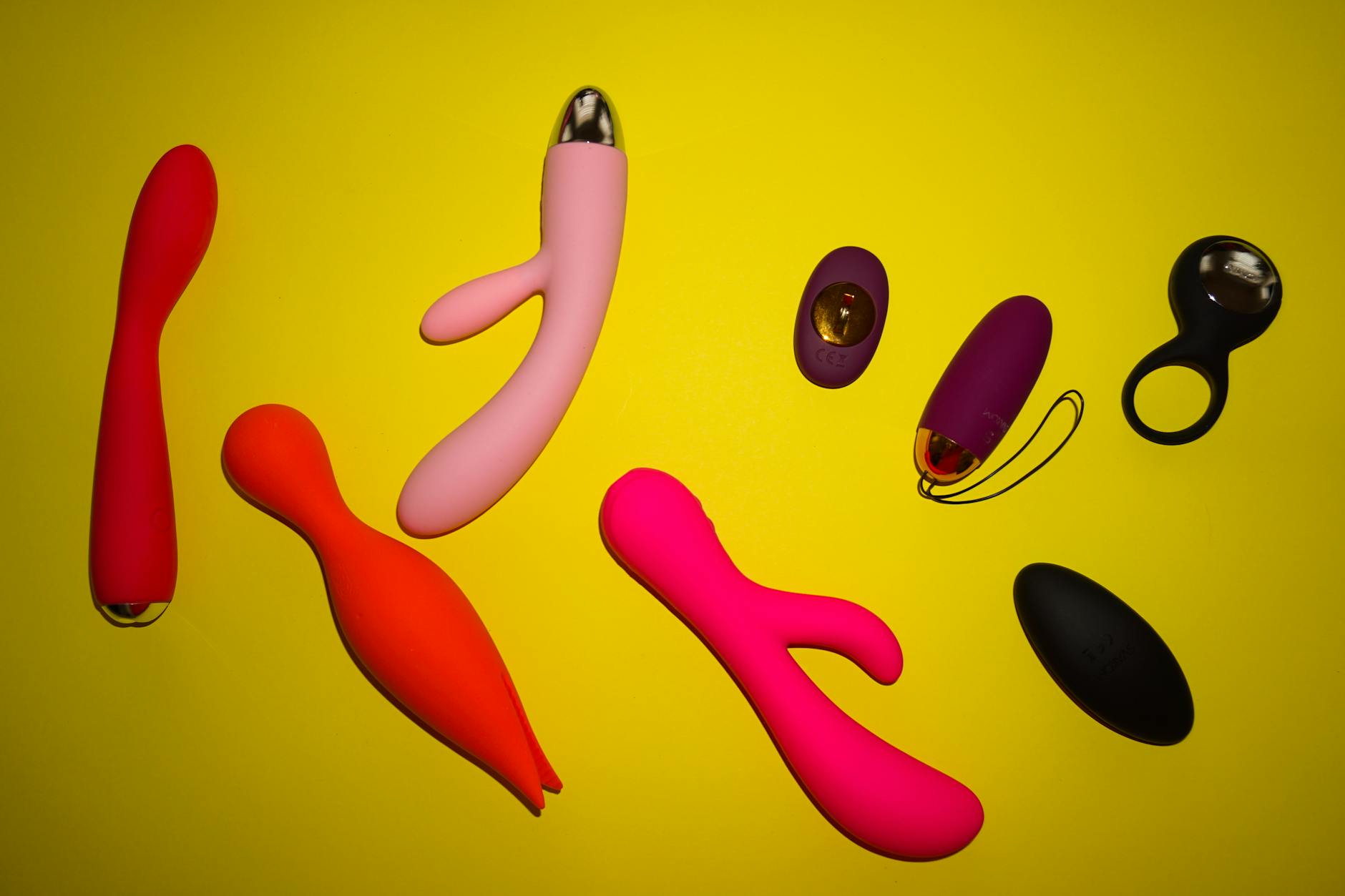
Your body may also respond differently than it did ten or twenty years ago. If you spent your partnered years focused on being available, now you're learning what actually builds your own arousal from the ground up. Clitoral stimulation tools like lemon vibrators become part of this rediscovery because they let you explore sensation on your terms, at your pace, without the pressure of someone else's pleasure to manage.
The gap between partnered touch and solo sensation
Partner sex often relies on penetration, movement, rhythm that comes from another body. Solo pleasure through a lemon clitoral vibrator works differently. You're not building toward a partnered climax. You're learning the specific patterns, pressures, and speeds that trigger your own nervous system.
This is actually easier than it sounds, once you let go of the idea that it should feel like partner sex. It shouldn't. It won't. And that's the point.
A lemon sucker, like the clitoral vibrator design from Lem Nancy's Shop, uses suction and subtle pulsing to stimulate the entire clitoral body, not just the visible tip. This is genuinely different from a traditional vibrator. Many people report that suction feels less jarring when they're relearning their own pleasure. It's a gentler entry point.
Starting solo again. The practical steps.
If you haven't had solo pleasure sessions in years, here's what I recommend:
Block actual time. Not "sometime this week." An actual 20 to 45 minute window. Your brain needs to believe you won't be interrupted. Pleasure lives in safety, and safety means knowing no one will knock on the door.
Start without the toy. Spend 5 to 10 minutes noticing what your body responds to when touched. Do you like firm or light pressure? Circular motions or back-and-forth? Fast or slow? This is data collection. There are no right answers.
Introduce the lemon vibrator slowly. Don't go straight to the highest setting. Start at the gentlest pattern. Let yourself get accustomed to the sensation. You're rebuilding the dialogue between your nervous system and pleasure.
Pay attention to fantasy, or the absence of it. Some people need mental stimulation to get aroused. Others don't. Both are fine. If fantasy feels blocked, don't force it. That often unlocks itself over weeks or months as you relax into the process.
Notice where pressure builds. You might find arousal pools differently than it did during partnered sex. Maybe you need more time on the left side of your clitoris. Maybe you need long, drawn-out sessions instead of quick peaks. This information is the whole point.
The emotions that show up
Here's what catches people off guard: pleasure alone can feel lonely at first. You might reach for it and suddenly feel the absence of a partner more sharply. This is normal. Grief and desire live in the same nervous system.
If that happens, you have a choice. You can push through it, which sometimes works. Or you can acknowledge it, pause, and come back when you're ready. Both are valid.
Some people find that rediscovering solo pleasure is actually the grief process. It's the moment when they stop expecting a partner to return and start investing in themselves. That's deep work. A lemon clitoral vibrator won't do that work for you, but it can hold space while you do it.
Why the lemon vibrator design matters for this transition
Traditional vibrators rely on high-frequency buzzing. That works for some people, especially if you already know your body well. But if you're relearning, you might benefit from something subtler.
A lemon sucker uses air-pulse technology. The sensation is less direct than vibration, which means it's harder to overstimulate yourself into numbness. This matters when you're trying to rebuild sensitivity after years of a particular partner's touch pattern.
Many people tell me that switching from a traditional vibrator to an air-pulse design during this phase feels like they're waking up nerves they'd forgotten about. That sensation can be part of the rediscovery.
The permission conversation you need to have with yourself
Here's what I tell people in session: solo pleasure after a long-term relationship is not a consolation prize. It's not "what you do until someone new comes along." It's your baseline.
Your orgasm belongs to you. Your fantasy life belongs to you. Your rhythm, your timing, your pressure, your speed. Solo pleasure is the only kind where all of those variables are entirely under your control.
If you spent years accommodating another person's needs, this can feel radical. Let it. Give yourself permission to be selfish here. Your nervous system needs to know that pleasure is a place where you come first.
When to seek out community
Solo pleasure is solo, but you don't have to figure it out entirely alone. There are communities online and offline of people rediscovering pleasure after long-term relationships. Some people find it helpful to hear that others are also rebuilding, also uncertain, also learning.
If shame or grief starts blocking your ability to explore, talking to a therapist who specializes in sexuality or relationship transitions can matter. This isn't because something is wrong. It's because sometimes we need a witness to move through this kind of change.
FAQ: Common questions when rediscovering solo pleasure
How long does it usually take to feel comfortable exploring alone again?
There's no standard timeline. Some people feel ready within weeks of a breakup. Others need months or longer. The goal isn't speed. It's rebuilding trust with your own body. If you're feeling pressured to be "over it" by a certain date, that pressure is external noise. Your timeline is the right timeline.
Is it normal to not feel aroused during solo sessions at first?
Completely normal. Your body might be processing grief, stress, or adjustment. Arousal isn't something you can force. If sessions feel flat, take a break and try again later. Sometimes simply creating the ritual of self-care around pleasure is the point, even if climax doesn't happen.
Should I use fantasy or pornography when rediscovering solo pleasure?
That's entirely personal. Some people find external stimulation helpful for rebuilding desire. Others find it distracting. Try both and pay attention to what actually gets you aroused versus what you think should. Your body will tell you.
How do I know if I'm using a lemon clitoral vibrator correctly?
If the sensation feels good and you're exploring at your own pace, you're doing it right. There's no "correct" way. Experiment with different positions, pressures, and patterns. The lemon sucker design is forgiving because it's difficult to overstimulate with, so you have room to play around.
What if I feel guilty about solo pleasure after years with a partner?
Guilty is a cultural inheritance, not a truth. Your pleasure doesn't diminish the relationship you had. It doesn't mean you didn't love them. It means you're practicing self-care, which is the opposite of something to feel bad about. If guilt persists, it might be worth exploring that with someone trained in sexuality and relationships.
Can using a lemon vibrator help me rebuild confidence in my body?
Absolutely. The act of exploring your own pleasure, discovering what works, learning your own patterns. That's a direct conversation with your body. Many people find that solo pleasure sessions rebuild body confidence more effectively than anything else.
What comes after rediscovery
Rediscovering solo pleasure doesn't mean you'll never want a partner again. It means you'll know yourself better when one arrives. You'll know what actually turns you on, what you need, what your non-negotiables are.
That knowledge is power. It's also a gift you give yourself right now, in this phase, for no reason other than because you deserve to know your own body.
If you're navigating a transition like this and want guidance specific to your situation, we're here to help. Reach out anytime.