Let's be real about postpartum desire
Your libido didn't die. It got suffocated under diapers, night wakings, touched-out skin, and the low-grade panic of keeping a tiny human alive. Most people expect that desire will roar back once the baby sleeps through the night or you hit some magical postpartum timeline. It doesn't work that way. The brain is still running on fumes. Your body is still repairing itself. And somewhere between the third middle-of-the-night wake-up and your partner asking "so when can we?", desire became just another thing you're failing at.
Here's what nobody tells you clearly enough: this is not permanent, but it is real. And it's not something willpower alone fixes.
Why postpartum libido actually tanks
Three things are happening at once, and they're all legitimate.
Hormonal collapse. Oxytocin (the bonding hormone flooding your system when you're nursing or skin-to-skin with your baby) actively dampens sexual desire. Prolactin rises. Estrogen is still lower than baseline. For many people, especially those nursing, testosterone drops off a cliff. This isn't weakness. This is your endocrine system doing exactly what it's biologically supposed to do: prioritize infant survival over your pleasure.
The touched-out wall. If you're the primary caregiver, especially if you're nursing or bottle-feeding on demand, you've spent 12 hours being climbed on, held, grabbed, pulled at. Your body is not a separate entity anymore. It belongs to someone else. The idea of more hands on your skin, even a partner's, feels like a violation of the only property you own. This is not a sign you're broken. It's a sign you're touched to capacity.
Cognitive load. Your brain is running a thousand background processes. Is the baby sleeping safely? Will they wake if you move? Did I respond to that message from daycare? Even when your partner is being attentive and the conditions are theoretically perfect, your mind is still doing the mental arithmetic of logistics. Desire requires presence, and presence is the rarest resource you have.
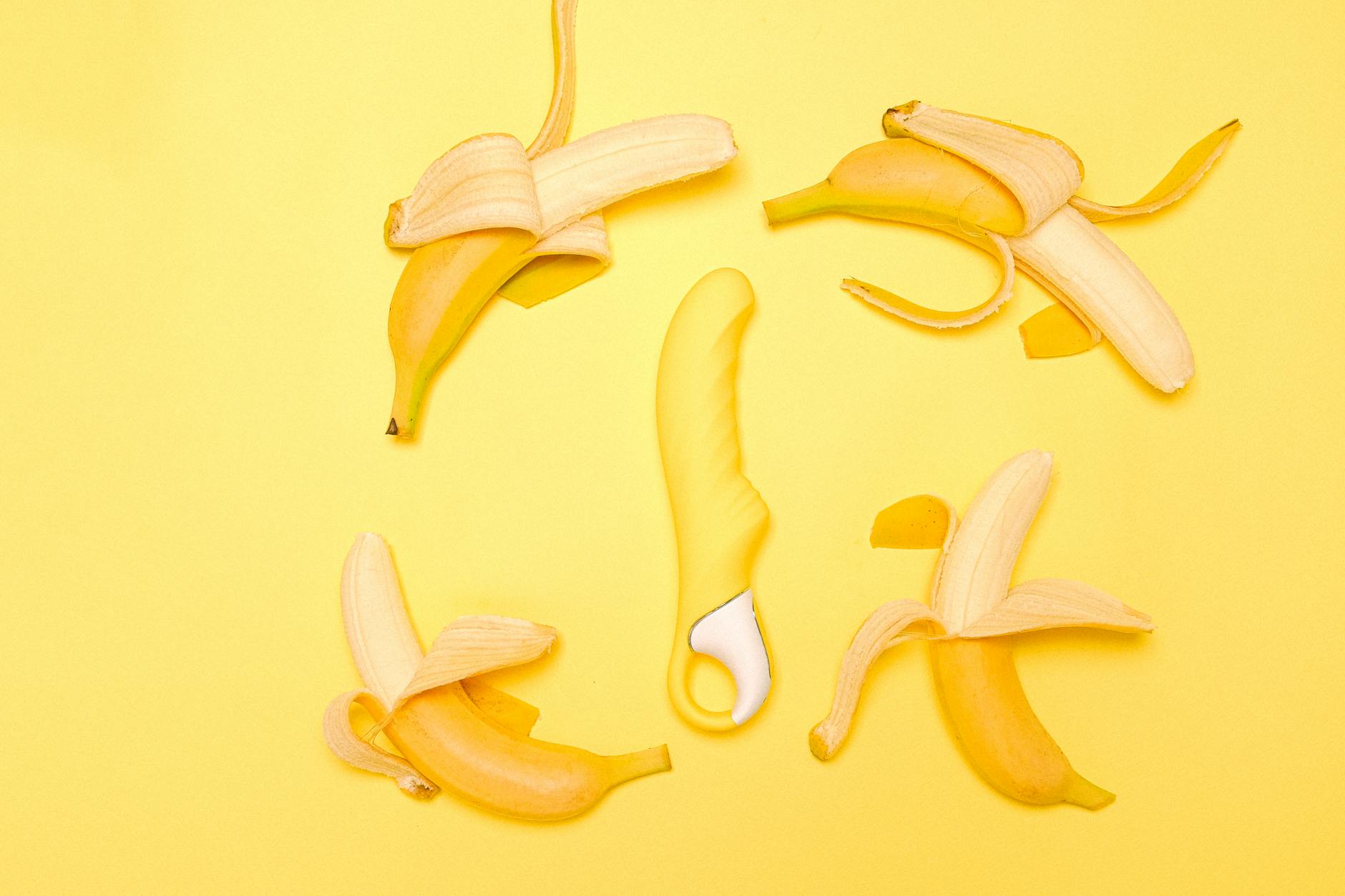
Why lemon vibrators specifically help
Regular vibrators are fine, but here's what makes lemon clitoral vibrators different for post-baby bodies and minds.
Speed matters. When you have maybe 15 minutes before someone screams, you need efficiency. A lemon vibrator uses gentle suction rather than vibration, which means pleasure builds faster without overstimulation. You're not hunting for the perfect angle or intensity. The device does that work for you.
Low friction on sensitive tissue. Postpartum bodies often have thinner vaginal tissue from hormone fluctuations, especially if you're nursing. A lemon sucker doesn't rely on rough friction. It stimulates through gentle pressure, which feels less aggressive and more sustainable for tissue that's still healing.
Less maintenance of arousal. Because the sensation is so efficient, you don't have to work as hard mentally to stay in the moment. Your brain gets to quiet down faster, which for exhausted parents is genuinely life-changing. You spend less time chasing the feeling and more time actually feeling it.
It's yours alone. Solo pleasure with a lemon vibrator means you're not negotiating anyone else's needs, pace, or comfort. You're not performing. You're not checking in with a partner or managing their expectations. For the first time in months, something sexual is entirely about you.
The framework that actually works
Here's how to rebuild desire when your system is running on empty.
Step one: Stop trying to have sex. I mean this literally. Remove "regular sex with a partner" from the equation for now. The pressure to perform desire on anyone's schedule except your own is actively killing it. Tell your partner you're taking sex off the table for two weeks while you explore solo pleasure. You're not rejecting them. You're actually doing the work to come back to intimacy instead of white-knuckling through it.
Step two: Find 10 minutes alone. After bedtime, before sleep, in the morning before the house wakes. Non-negotiable. Treat it like a shower or brushing your teeth. Your nervous system needs to remember what pleasure feels like without stakes attached.
Step three: Use a lemon vibrator with zero agenda. Not "trying to have an orgasm," just exploring what feels good today. Some days that takes two minutes. Some days it takes ten. Some days nothing happens and that's fine. The point is consistency and removal of pressure.
Step four: Let desire rebuild on its own timeline. After two to three weeks of solo exploration, something shifts. You start noticing when you want to be touched again, usually in moments you're not "supposed" to. That's the signal that desire is waking up. That's when you revisit partnered intimacy, but only if you want to.
Talking to your partner about this
If you have one, this conversation is crucial and it's separate from the sex talk.
Don't lead with "I'm not attracted to you" or "I don't want sex anymore." That's not the problem and he probably already feels it. Lead with logistics and timeline: "My system is fried and I need to rebuild desire solo first. This is normal postpartum stuff. It's not about you. Here's what helps me feel supported right now."
Specific things that help: your partner taking the baby for an hour so you have actual solitude. Not hovering to initiate sex, just creating space. Touching you non-sexually, which reminds your nervous system that touch can be gentle and not a demand.
When to bring a partner back in
Once you're finding pleasure solo again, partnered sex can happen, but on new terms.
Start with receiving only. Your partner touches you while you use your lemon vibrator. You're not responsible for their pleasure yet. You're just getting reacquainted with yours while they're present. This often feels less scary than traditional sex because the pressure is explicitly off.
When you're ready for mutual sex again, go slow. Exhaustion has made you touch-sensitive, so what felt fine before might feel too rough now. Your partner should check in. "Is this pace okay?" isn't sexy but it's honest, and honest is what rebuilds trust after your body has felt taken for granted.
The thing about guilt
Many parents, especially mothers, feel guilty about taking 10 minutes for solo pleasure when the house is quiet and they "should" be sleeping or cleaning or prepping tomorrow. That guilt will sabotage this entire process.
Remind yourself: you cannot pour from an empty cup. Desire is not selfish. Pleasure is not a luxury. Your body is yours. Using a lemon vibrator to remember what feels good is not taking away from your family. It's actually the thing that makes you able to be present and affectionate with them. Solo pleasure makes you a better partner and parent because you're not running on resentment.
FAQ
How long does it usually take postpartum libido to come back?
There's no standard timeline, which is frustrating but true. Some people feel desire returning around month three. Others don't until month nine or beyond. It depends on whether you're nursing, your hormone levels, how much sleep you're getting, and honestly whether you've given yourself permission to explore pleasure again. The people who rebuild desire fastest are usually the ones who stop waiting for it to happen magically and start pursuing it intentionally with tools like a lemon vibrator.
Will using a vibrator alone make sex with my partner feel boring?
Not if you're using it as a bridge, not a replacement. The efficiency of a lemon clitoral vibrator can actually make you more interested in partnered sex because you're not exhausted from chasing pleasure solo. You've had success. You know you can feel good. That confidence carries into other scenarios.
What if my partner is hurt that I want solo time with a vibrator?
That's his feeling to work through, not your problem to solve. You're not rejecting him by reclaiming your own pleasure. You're actually doing the necessary work to come back to him as a full person, not a burnt-out shell. He can go to therapy about that. You keep using the lemon vibrator.
Is it normal to not want penetration but want clitoral stimulation?
Completely. Postpartum bodies often need gentler pressure and more external stimulation. Penetration can feel invasive or triggering when your body has been in survival mode. Clitoral pleasure alone, especially with a lemon sucker that's designed for efficiency, might be exactly what you need right now. That's not a permanent preference, it's a postpartum reality.
Should I tell my partner I'm using a lemon vibrator?
If you're in a trusting relationship, yes, eventually. Not as a confession but as information sharing. "I'm rebuilding pleasure solo and a lemon vibrator is helping. I wanted you to know." The openness actually strengthens intimacy because you're not hiding part of your experience. Some partners want to be part of it later. Some are fine with you having that as your private ritual. Either way, honesty wins.
What if nothing happens even after a few weeks?
That might mean your body needs more sleep, more rest, or actual medical support. Talk to your doctor. Postpartum depression and postpartum anxiety can flatten desire. A lemon vibrator isn't therapy. If your system is truly stuck, you might need both the vibrator and a professional. No shame in that. That's just good data.
You'll get there
Postpartum libido loss isn't a personal failing. It's a biological fact colliding with the reality of parenting. A lemon vibrator can't fix the systemic exhaustion or the touched-out wall overnight. But it can give you a way back to yourself that doesn't require negotiating with anyone else or performing desire before you feel it. That matters. Your pleasure matters. And it will return, usually faster once you stop waiting for it to come back on its own and start actively inviting it home.