Let's start with what nobody tells you
Illness doesn't just pause your body. It creates distance from yourself. After weeks or months away from sex, from touch, from your own pleasure, the idea of reconnecting can feel less like desire and more like trying to remember a language you used to speak fluently.
That's the conversation most recovery stories skip. They talk about clearing an infection or finishing chemo or recovering from surgery. They don't talk about the weirdness of trying to want yourself again.
Why pleasure feels foreign after a break
Three things happen when illness interrupts your sexual life.
First, your nervous system has been in defense mode. Whether it was pain, medication side effects, fatigue, or just the stress of managing a condition, your body learned to protect itself. That protective state doesn't vanish the moment you feel better. It lingers. Your system is still looking for threats.
Second, there's a real neurological component. Regular sexual activity maintains neural pathways and tissue sensitivity. When you stop, those pathways don't disappear, but they do get quieter. Sensation becomes muffled. Arousal takes longer to build because the automatic chain reaction has lost momentum.
Third, there's the psychology of it. After illness, your relationship with your body has shifted. You might feel fragile, or grateful just to be functional, or angry that pleasure feels too frivolous. You might have lost confidence in what your body can do. All of that is grief. And grief doesn't lift just because physically you're cleared to resume.
Why lemon vibrators work better for reentry
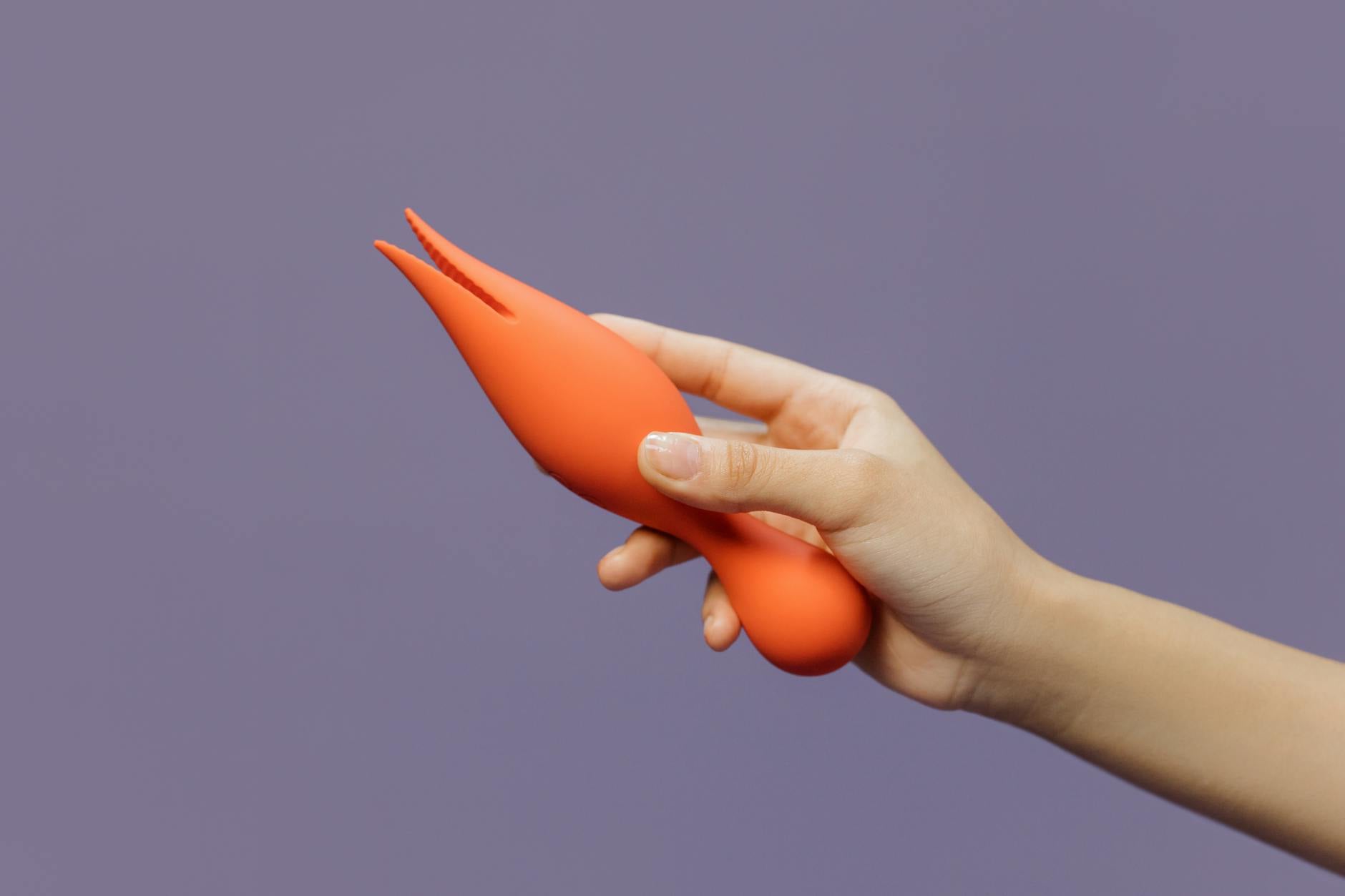
I recommend lemon clitoral vibrators specifically for post-illness recovery because they work with these three obstacles instead of against them.
The suction mechanism is gentler than traditional vibration. It creates a contained pressure that doesn't require tissue to be perfectly sensitive or responsive. With traditional vibrators, if sensation is muted, you end up turning up the intensity to feel anything at all. That can backfire. With a lemon vibrator, even on lower settings, the suction creates a distinct sensation that registers in your nervous system without demanding that your body be at full capacity.
The pattern options let you start at the absolute minimum. Most clitoral vibrators give you two settings: on and intense. A lemon vibrator's suction patterns start subtle. You're not choosing between nothing and everything. You're choosing between gentle waves and moderate pulses.
Physically, suction doesn't require moisture to feel good. After illness, especially if medication has been involved, lubrication might be thin. A lemon vibrator works beautifully with water-based lube, but you don't need heavy dampness for the sensation to register. This matters more than you'd think.
The timeline for reentry
Rebuild in three phases, not three days.
Week one: Exploration without expectation. Use your lemon vibrator for five to ten minutes, alone, with zero performance pressure. You're not trying to orgasm. You're reintroducing sensation. Turn it on, feel where it feels good, try different patterns, then turn it off. No climax required. This is nervous system recalibration.
Weeks two to three: Gradual intensity. Stay with lower patterns first. You have more range in a lemon vibrator than you think. Spend time on settings one and two before moving to three. This isn't because you're fragile. It's because your sensitivity is rebuilding, and you want to rebuild with pleasure, not pressure.
Weeks four and beyond: Building back to fullness. Once sensation starts returning and arousal builds more easily, you can explore patterns four and five. By now, your nervous system has reset. You've gotten proof that pleasure is accessible again. The mental block softens.
Preparing your body and space
Four practical steps that matter more than most people think.
First, warm up your nervous system before you touch yourself. A five-minute bath, a walk, even just lying down with your hands on your belly, breathing slowly. You're signaling to your body that you're safe and this is intentional.
Second, use water-based lubricant. Even if you don't think you need it, use it. It reduces friction, increases comfort, and makes the sensation cleaner. After illness, your body is still recalibrating. Lubrication removes one variable of friction.
Third, set time aside when you have no deadlines after. Give yourself thirty minutes minimum with no phone notifications, no emails, no watching the clock. Recovery pleasure is not efficient pleasure. It's slow and exploratory.
Fourth, remember that your body has been through something. If your lemon vibrator touches a place that feels tender or triggers a sensation of vulnerability, stop. That's information, not failure. Your body is telling you what it needs.
When to bring a partner in
If you have a partner, this matters. The temptation is to jump straight to partnered sex, because you feel like you owe the relationship normalcy or because your partner has been patient.
Don't.
Instead, use a lemon vibrator together first. Have your partner hold it while you guide where it goes. This accomplishes three things. One, it reintroduces touch and intimacy without the pressure of penetration or performance. Two, it gives your partner permission to participate in your pleasure actively rather than passively waiting for you to be ready. Three, it keeps the focus on sensation and rebuilding rather than on traditional sex or orgasm.
How to Use Lemon Vibrators When Your Partner Wants to Help covers this territory in depth, but the core principle is this: a partner holding a lemon vibrator feels less demanding than partnered sex and more collaborative than going solo. It's a bridge.
Managing expectations and disappointment
Here's the part that catches people off guard: pleasure might feel different when it comes back.
You might orgasm, and it might feel smaller or quieter than you remember. You might take longer to get there. You might lose sensation mid-session and need to start over. All of this is normal after illness. Your body is rebuilding a habit, not resurrecting a perfect memory.
If you find yourself frustrated, here's what I tell clients: pleasure after recovery is not supposed to match pleasure before illness. It's supposed to match pleasure now. Your body has changed. Your nervous system has been through something. The goal is not to recapture exactly what you had. The goal is to find what feels good in your current body, on your current timeline.
A lemon vibrator is useful here because it lets you have small wins. You don't need a full orgasm to count this as successful. Five minutes of clear sensation is a win. A moment where you forgot about the illness entirely is a win. Proof that your body still works is a win.
When sensation is still muted
If after three weeks of gentle use your clitoral vibrator still feels like you're touching someone else's body, that's worth investigating.
Some medications delay sensation. Some conditions create lasting nerve changes. Some post-illness depression is neurological, not emotional, and affects arousal directly. How Lemon Vibrators Help When Sensation Feels Numb During Sex digs into this, but the short version is: it's worth talking to your doctor about. Numbness that doesn't improve with time and gentle exploration might need medical attention, not just patience.
The emotional part nobody mentions
Illness creates a strange relationship with your body. On one hand, you're grateful it's healing. On the other hand, you might be angry at what it took away. You might feel distant from it. You might not trust that pleasure is safe again.
Using a lemon vibrator through recovery is partly physical and partly emotional work. Every time you reconnect with sensation, you're telling your nervous system something is safe again. Every moment of pleasure is a small argument against the idea that your body can't be trusted.
That's not nothing. That's actually most of the work.
FAQ
How long after illness should I wait before using a vibrator?
If your doctor cleared you for sexual activity, you can use a lemon vibrator, but the timeline depends on what illness meant for your body. After surgery, wait until pain medication is no longer needed and you've been cleared for penetration. After infection or medication side effects, you can start gently once symptoms have resolved. After something like cancer treatment, talk to your oncologist specifically about when sensation is likely to return. The rule is: you're physically cleared, but start gently anyway.
Can I use a lemon vibrator if I'm still taking medication that affects sensation?
Yes. The medication might mean sensation is delayed, but the vibrator still works. In fact, starting while on medication and continuing through can help you notice when sensation does return. You'll have a clearer baseline. Just don't expect full sensitivity immediately if your medication is known to dull sensation.
What if orgasm still feels impossible?
That's common. Illness, medication, and depression can all make orgasm harder or impossible temporarily. A lemon vibrator helps because it takes the pressure off. You're not working toward climax. You're exploring sensation. In my experience, when people stop focusing on the outcome, orgasm often comes back on its own.
Is it normal to feel weird using a vibrator after being sick?
Completely. Your body has been in crisis mode. Using pleasure as a tool might feel frivolous, or unsafe, or disconnecting. That weirdness is your nervous system still in recovery. It's not a sign that pleasure is wrong for you. It's a sign that you need extra permission and patience with yourself.
Should I tell my partner I'm using a lemon vibrator during recovery?
I'd say yes, unless there's a reason not to. Transparency builds safety and removes the secrecy that can make recovery feel isolating. Plus, your partner might want to support this part of the process with you. But that's a personal choice based on your relationship.
What if the lemon vibrator brings up old trauma or anxiety?
Stop and breathe. Your body is telling you something. This doesn't mean pleasure is off limits. It means you might benefit from working with a therapist who specializes in somatic healing or trauma before reintroducing vibrators. There's no rush. Recovery isn't a race.
The real timeline
Illness interrupts pleasure. Recovery doesn't mean getting it back exactly as it was. It means rebuilding something new, with more patience, more communication, and more gentleness than you probably gave yourself before. A lemon vibrator is useful because it meets you where you are, not where you think you should be. It lets you explore at your pace, in patterns that don't demand your body be at full capacity, with sensation that registers even when everything else feels quiet.
Use it slowly. Use it regularly. Use it without agenda. Trust that reconnection is possible. And if you need more support, reach out at /contact and we can point you toward resources that fit your specific situation.