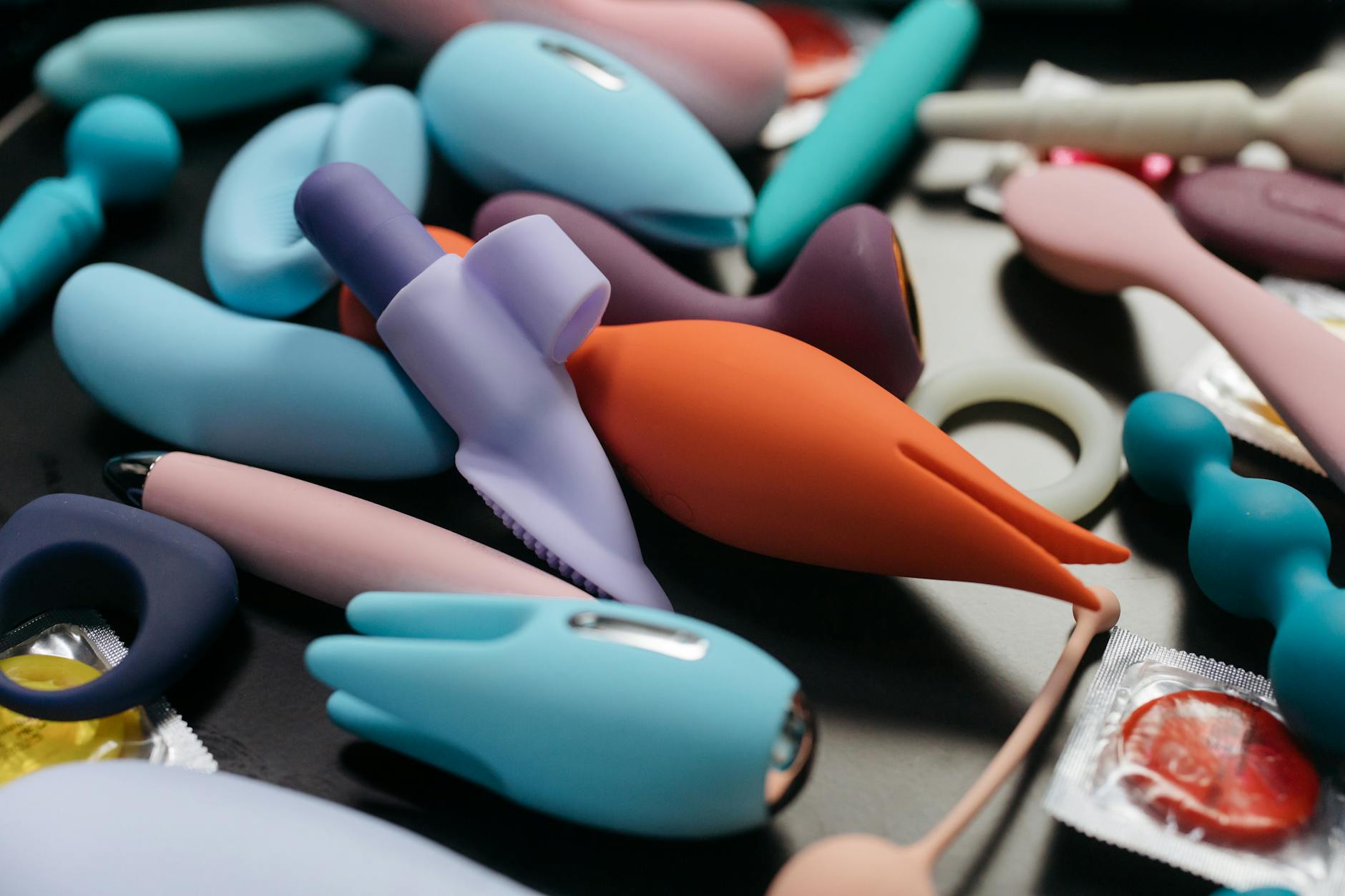
The thing nobody tells you about bringing toys into the bedroom
Most couples don't break up because one person wants a vibrator. They break up because the conversation about wanting a vibrator goes sideways. The shame, the defensiveness, the feeling that if you need one your partner isn't "enough." That's the real friction. The toy itself? That's the easy part.
Honestly, introducing a lemon clitoral vibrator or any other lemon sexual toy into partnered sex is less about the object and more about what you're actually asking for: more pleasure, more exploration, more you getting what you need. Once you separate those conversations, it stops feeling like a threat and starts feeling like an invitation.
Why the conversation matters more than the toy
I've worked with dozens of couples, and here's what I've learned: partners worry about being replaced. Not by the vibrator literally, but by the idea that pleasure without them will become preferable to pleasure with them. It's a real fear, and it deserves a real answer.
The honest answer is this. A lemon vibrator does something differently than a hand or a mouth. It's not better, it's different. It stimulates in a way that can create orgasms that feel new or more intense, and that's actually a feature, not a bug. If you've been with someone long enough, novelty itself is valuable. It's not about the toy replacing your partner. It's about both of you getting to experience something neither of you has experienced before together.
When you frame it that way, suddenly it's not "I want you to use this on me," it's "I want us to try this together." That's a different conversation entirely.
How to actually start the conversation
Timing matters. Don't bring it up during sex, right after sex, or when either of you is stressed about something else. Pick a moment when you're both relaxed, maybe over coffee or a drink, somewhere you can actually talk without distraction.
Here's what I usually recommend:
Start with honesty, not a proposal. "I've been curious about trying something new" beats "I think we should get a vibrator." The first one is about you. The second one puts your partner on the defensive because it sounds like a directive.
Name what you actually want. "I want to experience different kinds of orgasms with you" or "I'm interested in exploring what this feels like" is clearer than "I want a lemon clitoral vibrator." The specifics come later.
Invite participation in the thinking, not just the action. Ask what they think. Ask if they've ever been curious about toys. Ask what turns them on about the idea or what worries them. Make this a conversation, not an announcement.
Normalize it by naming pleasure. "Most couples I know use toys at some point" or "I read that this kind of stimulation can actually help with [orgasm intensity, stamina, whatever]" gives your partner permission to think about it rationally instead of just emotionally.
What to expect the first time
Most partners fall into one of three categories: enthusiastic, cautious, or resistant. If your partner is enthusiastic, great. You're lucky. If they're cautious, give them time. If they're resistant, don't push. Resentful participation is worse than no participation.
For the cautious ones, which is most people, the approach is gentle introduction. You might use it solo first while they're nearby, then gradually involve them. "Want to watch?" comes before "Want to hold it?" comes before "Want to use it on me?" This isn't about manipulation. It's about lowering the stakes so curiosity can develop naturally.
When you do use a lemon vibrator with your partner, start during foreplay, not as the main event. Let them see how you respond. Let them feel the vibration. Let them be part of the experience without it being the entire focus. This is also smart practically. Clitoral vibrators work better when you're already aroused, and it gives you both time to adjust to the newness.
The specific moves that work best
Here's where technique matters. If your partner is using the lemon vibrator on you, communication is everything. Not in a clinical way. Just checking in.
Start with lower intensity. Most lemon clitoral vibrators have multiple settings. Begin at pattern one or two, not the max. Your partner can always turn it up, but jumping straight to high intensity can feel jarring, especially if you're nervous.
Combine it with other touch. A vibrator doesn't replace what their hands, mouth, or body can do. It augments. They might use the vibrator while simultaneously entering you, or use it while kissing you, or hold it steady while thrusting. The combination is often what makes it feel better than either thing alone.
Let your partner feel what you're feeling. If it feels good, say so. Enthusiastic feedback isn't just for their ego. It helps them learn what works and gives them permission to enjoy themselves too. Watching or feeling a partner experience intense pleasure is incredibly connecting.
When you're using it together, the dynamics shift
Some couples prefer a lemon sexual toy where both partners are involved in the action. That might look like your partner using the vibrator on you while you're using your hands on them, or taking turns, or using it during penetration.
The key is that you're both active, not one of you performing while the other watches. That's not always the case, and there's nothing wrong with a watching dynamic if you both like it. But most of the time, when both people are engaged, the experience feels more mutual. Less like "I'm using this on you" and more like "We're doing this together."
This is also where a lemon clitoral vibrator's suction action becomes really useful. Unlike traditional vibration, suction allows for deeper penetration or different positions without the vibrator getting in the way. You have more options for how your bodies can fit together.
What actually changes after you try it
Honestly? Sometimes not much. You try it, it feels nice, you go back to what you were doing before, and that's fine. Other times, it opens a door. You realize that exploring pleasure together is actually fun. You realize your partner isn't threatened by your pleasure, and you're not threatened by their curiosity.
The couples I work with who have the best relationship trajectories aren't the ones who use toys most frequently. They're the ones who talked about it, tried it without shame, and then felt more confident talking about other things too. The vibrator wasn't the point. It was just a good practice conversation.
The part about desire and connection
Here's something I want to name directly. Sometimes when we introduce toys, we're actually trying to fix a deeper problem without saying so. Maybe desire has dropped. Maybe you're not feeling seen. Maybe the sex has become routine and you're hoping a lemon vibrator will solve that.
It won't. Not by itself. A vibrator is a tool, not a therapist. If your partnership has real cracks in it, a toy won't seal them. But if your partnership is solid and you're just looking to play and explore, a toy can be the best possible addition.
If you're bringing this up because you're actually worried about your connection, maybe start there. Have that conversation first. "I miss feeling excited about us" is different from "I want to try something new." Both are valid. They just need different approaches.
FAQ: The questions I actually get asked
Will using a vibrator make me less sensitive over time?
No. This is one of the most persistent myths. Regular vibrator use doesn't desensitize your clitoris any more than regular sex makes your vagina "loose." Your body adapts to pleasure, which means you might explore different sensations or patterns, but that's exploration, not numbness. If anything, people who use lemon clitoral vibrators regularly report more awareness of their pleasure and more nuanced orgasms.
What if my partner feels insecure about the toy?
Talk about it directly. Ask what specifically worries them. Is it that they feel replaced? Inadequate? Uncomfortable with the idea of toys in general? The answer matters because the reassurance is different depending on what they're actually scared of. Sometimes it helps to use the toy together first, so they're not watching you have pleasure without them. Sometimes it helps to explicitly say that this doesn't change how you feel about them. Sometimes it helps to go slow.
Can we use it during penetrative sex?
Yes, absolutely. A lemon clitoral vibrator works during penetration if you position it right. Suction-based toys like the Lem vibrator are actually ideal for this because they don't vibrate the entire toy, just create a gentle suction sensation that doesn't interfere with penetration. You can use it before penetration, after, or during depending on the angle and comfort level.
How do I bring this up if we've never talked about sex toys before?
Start small. "I read something interesting about pleasure" is less heavy than "We need to spice things up." You could also ask a genuine question. "Have you ever wondered what one of those feels like?" You could watch something together that normalizes toys and see if they react. You could say you're curious and ask if they are. The goal is to turn it into a conversation, not a proposal.
What if they say no?
Respect that. Don't push. You can revisit it later if things change, but forcing it creates resentment that's way harder to recover from than just letting it be. Sometimes people need time. Sometimes they never come around. Both are okay. Your pleasure matters, but so does their comfort and consent.
Is there a way to make this not awkward?
Honestly? A little awkwardness is normal and fine. You're talking about something vulnerable. But awkwardness usually comes from shame, not from the conversation itself. If you can talk about it like a normal adult conversation about something you both deserve to enjoy, it feels different. Less like you're asking permission for something weird, more like you're inviting them into something together. That shift in tone is everything.
The thing to actually remember
Most partners aren't threatened by pleasure. They're threatened by secrecy, shame, and the feeling that you couldn't trust them with what you actually want. If you approach this as "I want to explore this with you" instead of "I'm hiding this from you," most people respond really well. And even the ones who are nervous at first usually come around once they see how much you enjoy it and how much it actually brings you closer. Pleasure is connecting. Use that.