The thing nobody tells you about antidepressants
Antidepressants save lives. They also, for millions of people, make orgasms impossible. Not uncomfortable. Not slower. Impossible. Your brain works better, your mood lifts, and somewhere in that chemical rebalancing, your ability to come gets quietly switched off.
That's not a character flaw. That's not a relationship problem (though it can feel like one). That's serotonin reuptake inhibitors doing exactly what they're designed to do. SSRIs like sertraline, paroxetine, and fluoxetine work by keeping serotonin circulating in your brain longer. The problem is that serotonin is also involved in the orgasm reflex. Higher baseline serotonin can dampen that reflex dramatically.
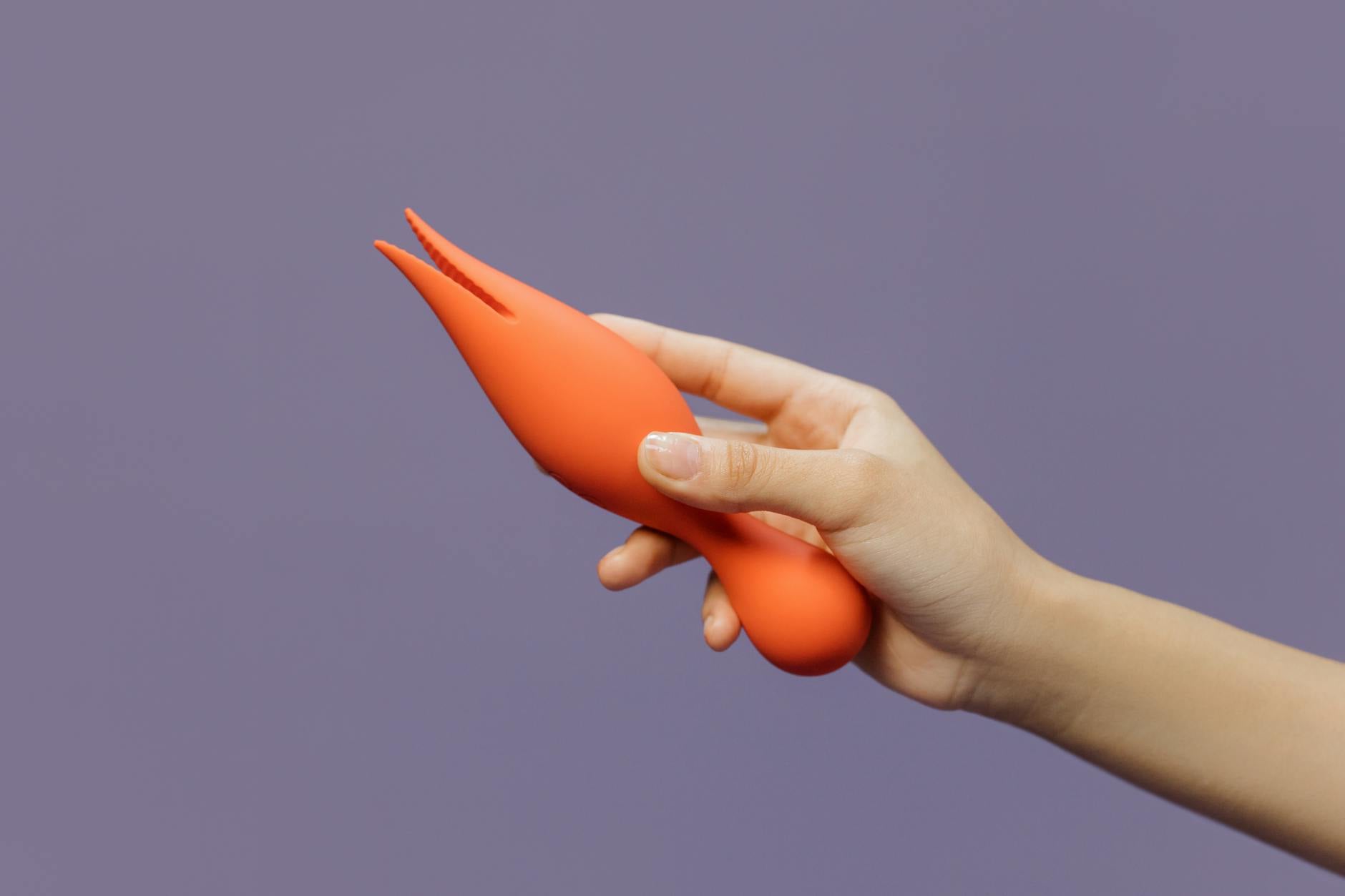
About 40 to 60% of people on SSRIs experience sexual dysfunction. That's not rare. That's normal. And here's what your doctor probably didn't mention: lemon clitoral vibrators like the Lem work differently than traditional toys. They work around this problem in ways that matter.
Why SSRIs break the orgasm pathway
Orgasms aren't one thing. They're a chain reaction. Your brain detects stimulation, releases norepinephrine and dopamine, that triggers a cascade in the spinal cord, which signals the pelvic floor muscles to contract rhythmically. Serotonin doesn't cause orgasms. It inhibits them. That's why SSRIs work so well for premature ejaculation in people with penises. The higher serotonin keeps the orgasm reflex dampened.
For people with vulvas, the same mechanism means you can feel aroused for hours and never reach the peak. The physical sensation is there. The mental desire is there. The neurological switch just doesn't flip.
Some people on SSRIs can orgasm, but it takes twice as long and feels less intense. Others lose the ability completely. SNRIs (like venlafaxine and duloxetine) sometimes cause less sexual dysfunction than SSRIs, but not always. It depends on the drug, the dose, how long you've been taking it, and your individual brain chemistry.
What traditional vibrators miss
A standard vibrator works through direct mechanical stimulation and friction. It buzzes. Your tissues move. The problem when you're on an SSRI is that the mechanical signal, no matter how strong, can't bypass the serotonin brake.
You press a traditional vibrator against your clitoris for ten minutes and feel nothing. Or you feel good sensation, but the orgasm never comes. Frustration sets in, which triggers cortisol, which makes arousal harder. The whole thing becomes counterproductive.
Here's where air-suction technology changes the equation. Lemon sexual toys and other clitoral suction devices work through negative pressure and gentle pulsing, not vibration. That stimulates the clitoral nerve network differently. Instead of fighting the serotonin brake head-on, suction engages the sensitive tissue in a way that feels less dependent on the intensity of friction.
Why lemon clitoral vibrators work for SSRI-affected pleasure
The science isn't fully mapped out yet. What we know from clinical experience and user reports is that suction-based stimulation seems to bypass some of the SSRI block. A few reasons.
First, suction stimulates a broader nerve network in the vulva and clitoris. It's not just the tip. It's the whole areola, the internal branches of the clitoris, the tissue around the opening. That distributed stimulation can trigger pleasure signals that don't rely as heavily on the dopamine-norepinephrine cascade that SSRIs dampen.
Second, the pattern of suction (a gentle pulsing, not a constant buzz) engages your nervous system differently than vibration does. Your body perceives it as novel. Novel stimulation can sometimes cut through sexual dysfunction that traditional input can't touch.
Third, and maybe most important: a lemon clitoral vibrator feels good faster. If you're going to spend 20 minutes trying to come, it needs to feel pleasant the whole time. Suction feels more intense, more focused, and more immediately rewarding than most vibrators. That psychological factor matters. When your brain stops waiting for a payoff that doesn't come, you relax into the sensation. Relaxation is the opposite of the cortisol-anxiety loop that SSRI sexual dysfunction creates.
Practical steps to use a lem vibrator with medication side effects
If you're on an SSRI and want to try a lemon clitoral vibrator, here's what works.
Start slow, even if you're impatient. The temptation is to go straight to the highest setting. Resist that. Your nervous system is already out of balance. Start at pattern 1 or 2 and spend two minutes there. Let your body recognize the sensation. You're not trying to come yet. You're just reacquainting yourself with pleasure.
Time it strategically. Antidepressant levels in your brain fluctuate. Many SSRIs have a peak effect about 2 to 4 hours after you take your dose (if you take it in the morning). Some people find that arousal improves later in the day or the next morning. Try exploration at different times and notice the pattern. There might be a window where the medication's peak effect is lower.
Warm up longer than feels necessary. Sexual response becomes slower and flattened on SSRIs. What used to take 5 minutes now takes 15. That's not a failure. That's just the new timeline. A lemon suction device can speed that up somewhat, but you're still looking at 15 to 25 minutes of foreplay before you try the toy itself.
Use lubrication, even though you might be dry. SSRIs can reduce natural lubrication. A water-based lube isn't going to fix the neurological issue, but it will make the sensation more consistent and reduce friction that can numb tissue over time. Better sensation over time means better odds of breakthrough orgasms as you adapt.
Layer in mental engagement. Here's what nobody tells you: if you're trying to come on an SSRI, pure physical stimulation usually isn't enough. You need your brain in the game. Fantasy, erotica, porn, phone sex with a partner. Whatever gets your dopamine system engaged. A lemon clitoral vibrator gives your body better input than a traditional toy, but your brain still has to meet it halfway.
When to talk to your doctor
If you've been on an SSRI for more than six weeks and sexual function is completely gone, it's worth raising with your prescriber. You have options.
Switching to a different class of antidepressant can help. Wellbutrin (bupropion) and Remeron (mirtazapine) have lower rates of sexual dysfunction than SSRIs. Some doctors add low-dose bupropion to an SSRI specifically to counteract the sexual side effects. That's called augmentation, and it works for some people.
Lowering your dose sometimes helps, but be cautious. Your mood might return if you drop the dose. Talk through that trade-off with your doctor.
Timing your dose differently can also make a small difference. If you take your SSRI in the morning, try taking it at night, or vice versa. That shifts when peak levels hit and might open a window for better sexual response.
If none of those strategies work, you're not broken. Some people can't take SSRIs without losing sexual function. That's genuine. Your mental health matters. Your sexuality matters too. A good prescriber will help you find a balance.
The role of lemon adult toys in medication management
Lemon sexual toys won't cure SSRI sexual dysfunction. No vibrator will. What a well-designed clitoral suction device does is create the best possible conditions for your body to experience pleasure despite the neurological brake that the medication applies.
Think of it this way. You're driving with the parking brake partially on. A standard vibrator is like pressing the accelerator harder. A lemon clitoral vibrator is more like releasing the brake a fraction of an inch. The engine still has the same power limitation, but you're working with your system instead of against it.
Many people find that after they've been using suction-based stimulation consistently, their body adapts. Nerves become more responsive. The pathway from clitoral stimulation to arousal strengthens through repeated use. Over months, some people report orgasms becoming possible again, even without medication changes. Others stay on SSRIs and integrate the toy as part of their sexual routine. Both are valid.
Your sexuality isn't a casualty of your medication. It's just evolved. A lem vibrator can be part of rediscovering what pleasure looks like in this new shape.
Frequently Asked Questions
Can you use a lemon vibrator if you've been on antidepressants for years?
Yes. How long you've been on the medication doesn't make a clitoral suction vibrator less likely to help. If anything, if you've been on SSRIs for years, your body might have adapted somewhat to the sexual side effects, or you might be on a dose that's working well for you mentally. A lemon clitoral vibrator is purely additive. It won't interfere with your medication or your mental health.
Will switching to a lemon suction toy reduce your need for antidepressants?
No. Pleasure and mental health are related but separate. A vibrator won't treat depression or anxiety. Antidepressants might dampen your sexuality, but that doesn't mean the medication is doing harm. Don't skip or reduce your antidepressant dose to try to improve sexual function. That's genuinely dangerous. Talk to your doctor if sexual side effects are severe enough to make you want to stop the medication.
How long does it take to feel pleasure with a lemon vibrator on SSRIs?
It varies. Some people feel something pleasant on the first use. Others take weeks of exploration before their nervous system recognizes that this is a different kind of stimulation. If you've been numb sexually for months or years, your brain might need time to re-engage. That's normal. There's no deadline.
Do lemon clitoral vibrators work better at different times of your cycle?
Slightly, yes. If you menstruate, arousal and sensation usually peak around ovulation. If you're on an SSRI, that natural variation still exists, but it's dampened. A lemon vibrator used during your fertile window might feel more effective than the same toy used during your luteal phase. But the medication's effect is so strong that the cycle difference is usually small.
Can you use a lemon vibrator with a partner if you're on antidepressants?
Absolutely. In fact, partnered exploration can help. If your partner is involved in the discovery process, it takes pressure off you to perform or produce an orgasm. You're just exploring sensation together. Many people find that the relaxation and reduced performance anxiety that comes with that collaborative approach actually helps their body respond better to the toy.
Should you tell your doctor you're using a lemon clitoral vibrator?
It's not necessary medically, but it can be helpful. If you mention to your prescriber that you're experimenting with different approaches to regaining sexual function, they might have suggestions or might monitor you for changes in mood or medication effectiveness. They might also be more motivated to explore medication adjustments with you. There's no shame in it. Sexual dysfunction from medication is a real side effect, and doctors should take it seriously.
Your mental health matters. Your pleasure matters too. If you're on an antidepressant and you're struggling with sexual side effects, you're not alone, and you're not broken. A lemon clitoral vibrator isn't a cure, but it's a tool that works with your body in ways traditional toys don't. Start with patience, give it time, and if nothing shifts, keep talking to your doctor. There are always more options.