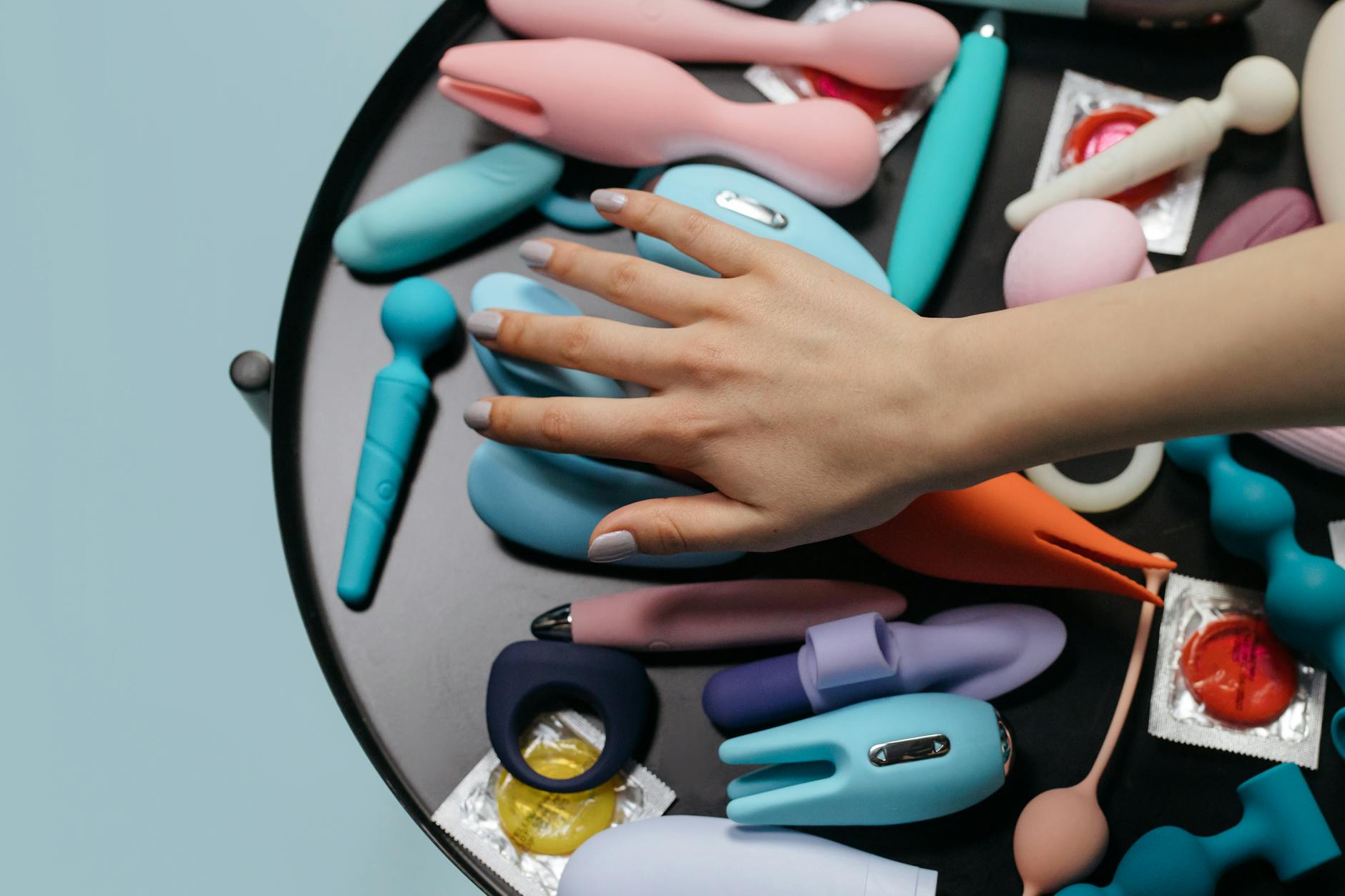
Sensitive skin and sex toys are a real conversation
Let's be real. If you have allergies, eczema, or reactive skin, choosing a vibrator feels like navigating a minefield. One wrong material and you're itching for hours or dealing with inflammation. That's not pleasure. That's punishment.
The good news? It's entirely possible to find a lemon clitoral vibrator or other quality toy that works beautifully with your body. You just need to know what to look for and what to avoid.
Why some vibrators trigger reactions
Most sex toy reactions come from three sources: material degradation, residual manufacturing chemicals, and phthalates or other softeners. When you buy a cheap vibrator, you're often getting silicone that's been mixed with plasticizers to make it flexible. Over time, those chemicals leach onto your skin. Your body notices. Your skin responds. And suddenly what should have been fun becomes uncomfortable.
Different materials carry different risk profiles. Some bodies tolerate porous materials fine. Others react to anything that isn't fully non-porous. Medical-grade silicone sits at the opposite end of the spectrum from jelly or PVC. This matters immensely if you have a history of contact dermatitis.
Materials that are safest for reactive skin
Three materials consistently work for sensitive skin: medical-grade silicone, borosilicate glass, and stainless steel. Each has a different feel, so the right choice depends on your preference.
Medical-grade silicone is what you want in most lemon sexual toys or clitoral vibrators. It's non-porous, doesn't degrade easily, and doesn't leach chemicals. The catch is that genuinely medical-grade silicone costs more to source. Brands like Hello Nancy invest in legitimate medical-grade material because cheap silicone is a false economy. Your skin will tell you the difference.
Glass and stainless steel are even more inert. They're completely non-porous, impossible to degrade, and cold to the touch in a way some people find deeply satisfying. Glass is more fragile but glorious if you have severe allergies. Steel is warmer, durable, and adds a subtle weight that some people prefer. Neither requires special cleaning beyond soap and water.
The material you should actively avoid
Stay away from jelly compounds, rubber, TPE (thermoplastic elastomer), and anything labeled "cyberskin" or marketed as "realistic." These materials are inherently porous, degrade over time, and often contain phthalates. Even with careful cleaning, bacteria can nest inside. If you have reactive skin, these materials are almost guaranteed to cause problems within days.
PVC is also a no-go. It's cheap, contains plasticizers that absolutely migrate onto your skin, and the manufacturing process often leaves residue. Any vibrator marketed at a rock-bottom price is probably PVC or TPE. Your skin isn't the place to save five pounds.
How to test if a vibrator will work for you
Before committing to full contact, do a 24-hour patch test. Wash the vibrator thoroughly with unscented soap and warm water. Pat it completely dry. Then place it against the inside of your wrist or inner thigh for about 20 minutes. These areas are sensitive but less intimate than direct genital contact.
Wait 24 hours. If you see no redness, itching, or irritation, you're likely fine to proceed. If you do see a reaction, you've saved yourself from a bigger problem.
If you're severely allergic or have had bad reactions in the past, do the patch test twice with a 48-hour gap between them. Some delayed reactions take time to show up.
Why Hello Nancy's lemon vibrators work well for sensitive skin
The Lemon Clitoral Vibrator is made from medical-grade silicone that's actually certified. Hello Nancy doesn't cheap out on material sourcing or manufacturing. Every toy is cleaned thoroughly before packaging. There are no hidden plasticizers, no phthalates, and no weird chemical smell when you open the box.
If you've had reactions to other vibrators in the past, this matters. You're not being precious or high-maintenance by wanting a toy that doesn't mess with your skin. Your pleasure is worth material integrity.
Cleaning practices that protect your skin
Reactive skin requires reactive cleaning. This means using unscented soap (fragrance is a common irritant), warm water, and a soft cloth. After each use, wash your vibrator. After each wash, dry it completely. Water left sitting on the toy can grow bacteria, which your sensitive skin will absolutely respond to.
Don't use harsh cleaners, alcohol, or bleach. These can damage the material and irritate your skin further. Avoid toy cleaner sprays that contain fragrance or glycerin (glycerin can alter vaginal pH and trigger irritation in some people). Honestly, unscented soap is your safest bet.
Store your toy in a dry place. A humid bathroom cabinet is fine, but don't leave it in a damp bag or drawer. Moisture invites mold, and mold is an instant trigger for reactive skin.
When to use lube (and which kind)
Water-based lubricant is your friend. It doesn't interact negatively with medical-grade silicone, it won't cause allergic reactions, and it makes everything more comfortable. Apply a small amount to the toy or your body before use.
Stay away from silicone-based lube if you're using a silicone vibrator. The two interact in ways that can degrade the toy. Oil-based lube is also a no-go because it's harder to wash off and can trap bacteria.
If you have a latex allergy, make sure your lube is latex-free. Read the label carefully. Some brands use latex in packaging or processing even if the product itself is latex-free.
FAQ: Your skin questions answered
Why am I getting itching after using my vibrator if it's supposed to be body-safe?
Itching after use usually means either residue buildup, inadequate drying, or a delayed reaction to the material itself. Strip your cleaning routine back to basics: unscented soap, warm water, complete air-dry. If itching persists, try a patch test with a different material, like glass or stainless steel, to isolate whether the silicone itself is the trigger or your cleaning method is the culprit.
Can I use my sensitive skin vibrator during my period?
Absolutely, though your skin might be even more reactive during menstruation when hormone changes can increase sensitivity. Make sure your toy is completely dry, use plenty of water-based lube, and be extra gentle. If you notice more irritation during your cycle, scale back to every other day rather than daily use.
What's the difference between "body-safe" and "medical-grade" silicone?
Body-safe is a marketing term with no legal definition. Medical-grade means the silicone has been tested for purity and has minimal additives. Always look for products that explicitly state medical-grade silicone or are certified by regulatory bodies. Hello Nancy's vibrators use certified medical-grade silicone, which gives you a real baseline for quality.
If I'm allergic to latex, can I use silicone vibrators?
Yes. Latex and silicone are completely different materials. Latex allergies don't cross over to silicone. That said, check that your vibrator wasn't processed or packaged in facilities that handle latex. Most brands manufacturing today have separate supply chains, but it's worth checking product documentation if you have a severe latex allergy.
Can I use the same vibrator if my partner and I want to share it?
Not without thorough cleaning between uses. Wash the toy with unscented soap and water, dry it completely, wait 30 minutes, then the next person can use it. Sharing toys without cleaning is a fast route to bacterial transfer and infections. Your pleasure matters more than the convenience of skipping a wash.
What should I do if I develop a reaction mid-session?
Stop immediately. Remove the vibrator. Rinse the area with cool water and pat dry gently. Don't apply anything to the irritated area for at least an hour. If itching or redness persists beyond a few hours, take an antihistamine and consider seeing a dermatologist. Document what you were using and what happened so you can identify the trigger clearly.
The bottom line
Reactive skin and vibrators aren't incompatible. You just need to be deliberate about material choice, cleaning, and storage. Medical-grade silicone toys like those from Hello Nancy are engineered for bodies like yours. Your pleasure deserves a toy that respects your skin's needs.
If you're still uncertain about which lemon vibrators or clitoral vibrators might work for you, reach out. We're here to help you find something that brings joy, not irritation. You can also review our full safety guide for additional best practices on toy care and material selection.
Your body isn't being difficult. It's being honest. Listen to it, choose wisely, and enjoy.