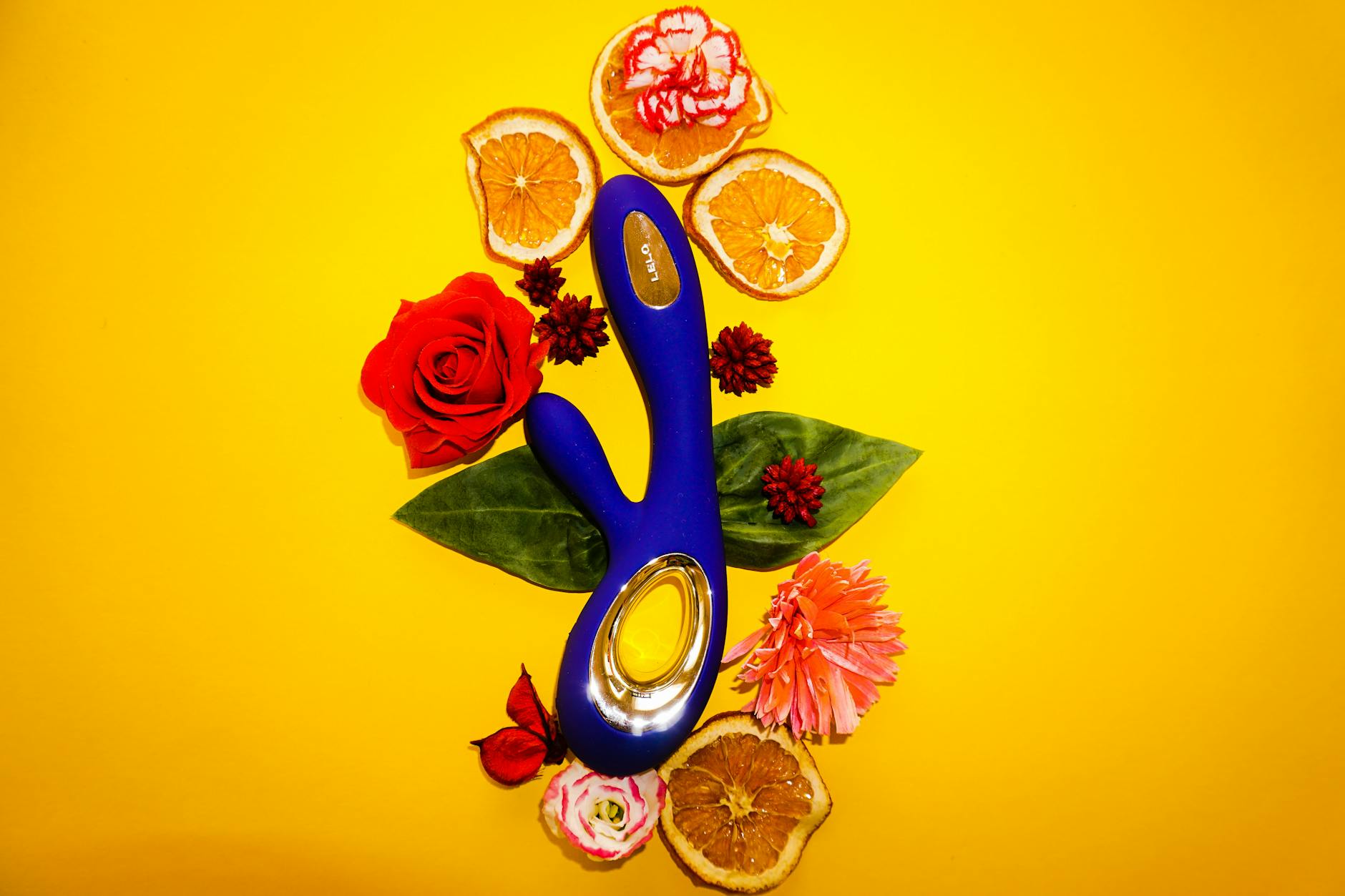
Let's start here: lubrication is not optional
I talk to people every week who've abandoned clitoral vibrators because they felt too intense, uncomfortable, or even numbing. Almost always, they weren't using lubricant. Once they add it, the entire experience shifts. This isn't a small detail. It's foundational to pleasure.
Lubrication changes everything about how a lemon vibrator feels: the glide, the intensity, the texture of contact, and how your body responds to stimulation. Without it, you're working against friction and your own physiology. With it, you're working with both.
Why lemon vibrators specifically benefit from lube
Lemon sucker vibrators use air-pulse technology instead of traditional vibration. This creates suction and release cycles that feel radically different from friction-based toys. But here's the thing. That suction works best when there's a light seal between the toy and your body.
Without lubricant, you lose that seal. The toy sits on dry tissue, the suction is interrupted, and the sensation becomes patchy and uneven. You get intensity without smoothness. With lubricant, you get a consistent gliding motion that lets the air pulses work the way they're designed to.
This matters especially if you have thinner or more sensitive tissue, which changes dramatically across the lifespan. If you've been through hormonal shifts, recovery from trauma, or just natural aging, lubrication becomes less about preference and more about comfort.
Water-based vs. silicone: which to choose
There are two main categories, and they behave completely differently.
Water-based lubricants are the standard for lemon vibrators and pretty much any silicone toy. They feel lightweight, they rinse away cleanly, and they won't damage your toy's material. The downside: they evaporate over time, especially during longer sessions. This means you might need to reapply mid-session, which breaks rhythm.
But here's why they're the safe choice. Silicone-based lubes (which feel silkier and last longer) can actually break down silicone toys over time. The Lem vibrator is made of medical-grade silicone, and water-based lube is what that material was designed for.
Oil-based lubricants are out for silicone toys too. Same issue: they'll degrade the material. Save those for non-silicone toys or use them alone.
Stick with water-based. Expect to reapply every 10-15 minutes if you're having a longer session, and honestly, that's fine. It's a moment to breathe, reset, and recalibrate.
How much lube is actually the right amount
Too little and you get the friction problem again. Too much and things get slippery in ways that reduce sensation and make the toy harder to control. The sweet spot is a small amount that covers the contact area without pooling.
Think of it like this: a dime-sized amount is your starting point. Apply it to the toy, not your body first. Let it warm up for a few seconds, then make contact. You'll know immediately if you need more. If the toy starts slipping or dragging, add a bit more. If you feel resistance that borders on uncomfortable, you're probably using too much.
Reapplication is easier than you'd think. Just add a small amount without stopping, or pause for a breath and redistribute what's already there. Once you find your rhythm, it becomes automatic.
The temperature play you didn't expect
One thing most people don't realize: you can warm your lubricant slightly before using it, and it changes everything. A cool lube feels jarring against sensitive tissue. A warm lube feels luxurious and eases into sensation instead of shocking your system.
Rub the bottle between your hands for 10 seconds before applying, or use your finger to warm a small amount first. This tiny shift makes a psychological and physical difference. It's the difference between "okay, I'm doing this" and "this feels really good."
This matters especially if you're coming back to pleasure after a long time away, or if you have any history of trauma or touch aversion. Warm lube signals to your nervous system that this is a gentle, intentional experience, not something being done to you.
Why most people get this wrong (and what to do instead)
The biggest mistake: thinking that if you naturally lubricate, you don't need additional lube. Not true. Natural lubrication is often not enough for clitoral work, especially with a toy that uses suction. Your body might produce enough for penetration but not nearly enough for focused external stimulation.
Second mistake: applying lube to your body instead of the toy. This wastes product and creates uneven coverage. The toy needs the lubrication on its surface to work properly.
Third mistake: using the same amount every time. Your body changes throughout your cycle, throughout your lifespan, with stress levels, with hydration. Adjust your lube amount accordingly. Some days you'll need more. Some days, less.
The friction problem and how lube solves it
Direct friction against tissue, especially sensitive tissue, can create irritation, numbness, or a feeling of rawness even hours after. Lubrication is a barrier that lets you use the toy longer and more intensely without that fallout. It protects your tissue while still delivering full sensation.
This is why lemon clitoral vibrators compare to traditional vibrators differently when lubrication is involved. A traditional vibrator is all friction. A lemon sucker uses air pulses, which means lubrication enhances the designed experience instead of replacing one sensation with another.
If you've ever felt numb or desensitized after using a toy without lube, that was friction damage. Your tissue wasn't getting input properly because it was being overwhelmed by mechanical stress. Lubricant prevents that entirely.
Lube and sensation: more lube doesn't mean less feeling
Countintuitive but true. People often avoid lube because they think it will dull sensation. The opposite happens. Too much friction actually blocks sensation because your nervous system is too busy trying to protect your tissue from damage.
When lubrication is right, sensation becomes clearer, more nuanced, and more intense because your body isn't in defensive mode. You can feel the air pulses distinctly. You can feel the pressure shifting. You can feel the buildup in ways you literally cannot feel without lube, because friction is overwhelming everything else.
This is especially true if you're coming back to pleasure after a long break. Your tissue is more sensitive, more reactive. Lube is not a compromise. It's how you actually access the full range of sensation.
How to store and maintain your lube
Water-based lubes have a shelf life. Keep them in a cool, dark place (not the bathroom, which gets humid and warm and speeds up degradation). A bedroom drawer works. A kitchen cabinet works. A humid bathroom does not.
If your lube starts to smell off or look discolored, it's past its prime. Replace it. Old lube becomes less effective and can introduce bacteria.
Keep the cap on tight. Exposure to air degrades water-based lubes quickly. If you notice your lube getting thicker or separating over time, it's oxidizing. That's normal wear, but time to replenish.
Store your toy separately from your lube. Some lubes can degrade silicone over time if they're left in contact for weeks. Clean and dry your toy first, then store them apart.
The psychological shift that happens
Using lube is a small ritual that signals intention to your body. You're not rushing. You're setting up your experience deliberately. You're choosing comfort. This shift alone changes how pleasure lands.
I've had clients tell me that adding lube to their routine made the whole experience feel more respectful to themselves. Less like they were pushing through sensation and more like they were inviting it in. That psychological component is not separate from physical pleasure. It's inseparable from it.
Lube for partnered play
If you're using a lemon vibrator with a partner, lube becomes even more important. It makes it easier for your partner to position the toy, it reduces the intensity if your partner is being too direct, and it protects your tissue from any anxiety-driven gripping or tightening.
Lubricant also makes the experience last longer, which matters when you're coordinating sensations between two people. Without lube, you might peak in 5-8 minutes. With lube, you might have 20-30 minutes of sustained pleasure. That's a completely different experience for partnership.
When you need more than basic lube
If lubrication alone isn't making a significant difference, or if you're experiencing pain during or after use, that's worth exploring with a healthcare provider. Persistent dryness can signal hormonal imbalance, medication side effects, or other treatable conditions. Lube helps, but it's not the same as addressing an underlying cause.
Similarly, if you have a history of irritation or yeast infections, confirm that your lubricant is compatible with your body. Some water-based lubes contain glycerin, which some people's microbiomes react to. Others contain parabens. If you're sensitive, look for ones labeled paraben-free and glycerin-free.
Final word
Lubrication transforms how a lemon vibrator feels. It's not an accessory or a workaround. It's part of how the toy is meant to function. The shift from using a clitoral vibrator without lube to using one with lube is often as big as the shift to using a lemon sucker in the first place. If you've been on the fence, this might be exactly what changes your experience.
People also ask
Can I use coconut oil with a lemon vibrator?
Coconut oil is a natural oil-based lubricant, and I'd avoid it with silicone toys like the Lem. Oil-based lubes break down silicone over time, which will eventually damage your toy's surface and integrity. Stick to water-based lubes designed specifically for silicone toys. If you love the feeling of coconut oil, you could use it with non-silicone toys, but for your lemon vibrators, water-based is the way to go.
How often should I reapply lubricant during a session?
This depends on how long you're using the toy and how much lube you started with. Generally, you'll want to reapply every 10-15 minutes, or whenever you notice the toy starting to drag or feel less smooth. Some people find they only need to reapply once during a 20-minute session. Others reapply every few minutes. Pay attention to how it feels and adjust accordingly.
Does lubricant reduce sensation with a lemon sucker vibrator?
No, actually the opposite. Without lubricant, friction overwhelms other sensations and can create numbness or discomfort. With proper lubrication, you feel the air pulses more clearly because your nervous system isn't in defensive mode. Sensation becomes sharper, not duller. The sweet spot is enough lube for smooth gliding but not so much that the toy slips around.
What's the best water-based lubricant for sensitive skin?
Look for water-based lubes that are paraben-free and glycerin-free, since some people react to those ingredients. Brands specifically designed for sensitive skin exist, but you can also check the ingredient list on any water-based lube. The simpler the ingredient list, usually the better. If you have a history of yeast infections or irritation, test a small amount first before full use.
Can I use expired lubricant with my lemon vibrator?
I wouldn't recommend it. Expired lube becomes less effective and can introduce bacteria or other pathogens to your tissue. Water-based lubes usually have a shelf life of 2-3 years if stored properly. If it smells off, looks discolored, or separated, it's time to replace it. It's inexpensive enough that buying fresh is always the safer choice.
Why does my lubricant feel sticky after a while?
Water-based lubes can become sticky or gummy as they dry or oxidize. This is normal. It usually means you need to add more fresh lube or rinse and restart. If your lube feels sticky right out of the bottle, it might be older or stored improperly. Fresh water-based lube should feel smooth and light, not tacky.