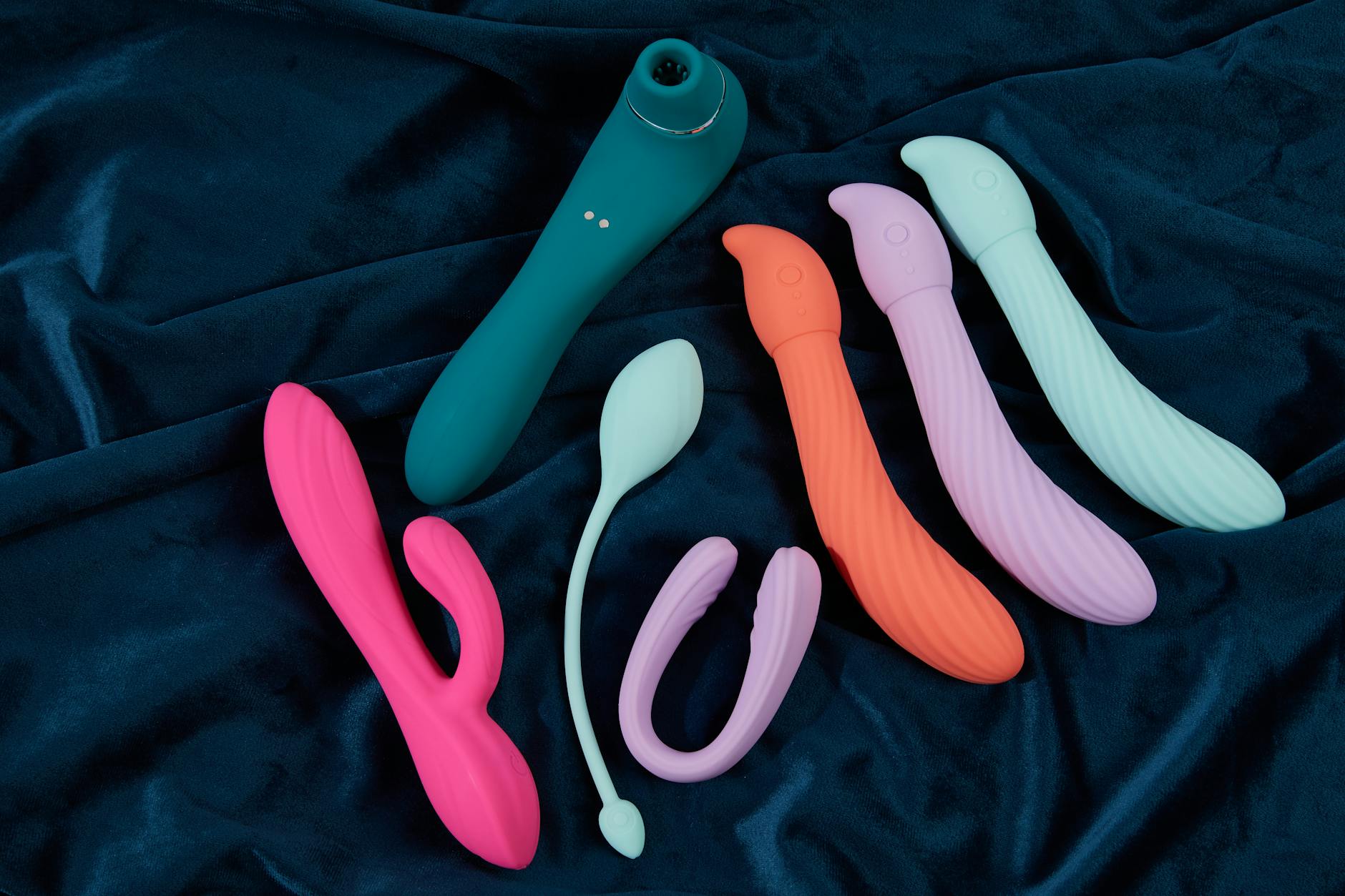
Why Lemon Vibrators Work Better After Menopause
Let's be real: menopause changes how your body responds to touch. That's not a myth or a doom spiral. It's physiology. And here's the thing most people miss: the right tool makes a massive difference.
Lemon clitoral vibrators, specifically suction-based designs like the lem vibrator from Hello Nancy, are unusually well-suited to post-menopausal bodies. Not because you're broken. Because estrogen depletion creates tissue changes that respond beautifully to suction rather than traditional vibration.
I've spent decades working with couples navigating this transition, and I've watched the moment when someone discovers that their most intense orgasm in 20 years came from understanding their body's new needs. This post explains why that happens and how to make it happen for you.
What actually changes after menopause
Estrogen doesn't just vanish on a specific date. It gradually declines over perimenopause (usually 4 to 10 years), and once you've hit menopause, levels stay low. This affects tissue directly.
Vaginal and vulvar tissue becomes thinner and less elastic. The mucous membranes produce less lubrication naturally. Blood flow to the genitals slows. The clitoral hood can thin, making direct stimulation sometimes feel too intense or even uncomfortable.
But here's what doesn't change: the clitoral nerve endings. You still have 8,000 of them. Your brain still generates arousal. Orgasm is still absolutely possible—often intensely.
The mistake most people make is thinking these tissue changes mean pleasure is off the table. They're not. They're just information. Different tissue needs different stimulation.
Why friction-based vibrators feel harsh after menopause
Traditional vibrators work through rapid vibration against tissue. On thicker, estrogen-rich tissue, this creates pleasurable friction. Post-menopause, the same toy on thinner vulvar tissue can feel:
- Too intense or even painful
- Numb, like the vibration isn't reaching the sensitive parts
- Overstimulating on the surface without deep pleasure
The problem isn't your sensitivity. It's that the stimulation method doesn't match your current anatomy.
I've had clients describe going from using a particular vibrator for 15 years to suddenly finding it uncomfortable. They assumed they'd lost sensitivity. What actually happened is that their tissue changed, and the toy that worked beautifully at 35 doesn't work at 55.
How suction-based lemon vibrators are different
Suction doesn't rely on friction. Instead, it creates a gentle vacuum that pulls and releases. This stimulates the nerves without harsh mechanical pressure on delicate tissue.
For post-menopausal bodies, this matters enormously. Suction-based lemon clitoral vibrators:
Reduce discomfort. They work with thinner tissue instead of against it. You're not grinding vibrations into sensitive skin. You're creating rhythmic suction that draws blood flow and stimulates deeper nerve structures.
Build sensation differently. The suction pulls from the hood and outer tissue toward the internal clitoral body. That creates a different type of stimulation—often described as deeper, more enveloping, and intensely pleasurable.
Allow longer sessions. Because there's no friction fatigue, you can enjoy 15, 20, or 30 minutes without soreness the next day.
Work better with or without lubrication. Friction toys require adequate wetness. Suction works reasonably well even with minimal natural lubrication, though lube always helps.
The lem vibrator and similar lemon sucker designs from Hello Nancy were engineered specifically around this principle. They're not "gentler" toys in a condescending way. They're toys built for post-menopausal anatomy.
The role of lubrication and warm-up time
Yes, you'll want lubricant. Not because something's wrong with you, but because thinner tissue benefits from it. Water-based lubes are ideal if you're using silicone toys—silicone-based lubes can degrade silicone bodies over time.
More important than lube type: warm-up time. Arousal takes longer after menopause. Blood flow to the clitoris doesn't happen as automatically. That's not a flaw. It's just different.
Budget 15 to 25 minutes before introducing any toy. Use your hands, a partner, or external stimulation. Let arousal build naturally. Then introduce the lemon clitoral vibrator once you're actually aroused. Starting at a low suction setting (pattern 1 or 2) gives your body time to adjust.
Many post-menopausal people report that this longer, intentional warm-up actually makes the experience better overall. You're not rushing. You're building toward something.
Addressing the pain-free pleasure question
If you experience pain during or after use, stop and get evaluated. Genitourinary syndrome of menopause (GSM) is real, common, and completely treatable.
A menopause-informed gynecologist can prescribe topical estrogen creams (applied directly to vulvar and vaginal tissue) that restore thickness and elasticity without significant systemic hormone absorption. Most people see improvement within two to four weeks.
Topical vaginal estrogen doesn't carry the same risks as systemic hormone therapy, and for many people, it's a game-changer for comfort.
Pain is also not a sign you should stop exploring. It's a sign you need the right support. Lemon vibrators are effective, but they're not a substitute for proper medical evaluation if something hurts.
The pleasure research nobody talks about
Here's a statistic that shifts the entire conversation: women over 55 report higher orgasm frequency and intensity when they're intentional about their pleasure. This shows up repeatedly in sex research and in my clinical practice.
Why? Several reasons converge:
Postmenopausal bodies often have less social pressure to perform. You're not managing fertility concerns or societal expectations about being "sexy." That mental freedom is huge.
You likely know your body better. You've had 40 or 50 years to figure out what works. You're less interested in what should work and more committed to what actually does.
You have permission. Many post-menopausal people describe feeling liberated to prioritize their own pleasure instead of calibrating everything around a partner's rhythm.
Lemon clitoral vibrators and similar Hello Nancy tools fit beautifully into this picture. They're not about reclaiming something lost. They're about accessing something new.
Practical setup for success
Here's what I recommend to clients:
Start with realistic expectations about sensations. Orgasms may feel different. That doesn't mean worse. Clients often describe them as more concentrated, longer-lasting, or involving deeper internal pleasure. Different is not a loss.
Use a water-based lubricant regardless. Even if you don't "need" it, it smooths the experience and removes friction worry.
Begin at low intensity. The lem vibrator and similar lemon suckers have multiple pattern settings. Start at 1 or 2 and explore upward. You might find that moderate suction is more pleasurable than maximum.
Give your body time to adjust. If you're switching from friction-based vibrators, your nervous system might need a few sessions to understand the new sensation. That's normal.
Keep a small pillow or wedge nearby. Some post-menopausal people find that supporting the hips slightly changes the angle of stimulation in useful ways. It's optional, but worth experimenting with.
Combining self-exploration with partnership
If you share pleasure with a partner, this transition is an opportunity, not a problem. You're relearning your body and their body. You're figuring out timing and rhythm together.
The most useful thing a partner can do is take a lemon clitoral vibrator as an invitation, not a threat. "I want to explore this tool together" is a collaboration, not a replacement.
Many couples find that incorporating a lemon sucker or other Hello Nancy toys into partnered sex actually deepens attention and communication. You're checking in with each other. You're trying different patterns and paying attention to response. That's intimacy.
Frequently Asked Questions
Can I use a lemon vibrator if I'm not menopausal?
Absolutely. Suction-based lemon clitoral vibrators work beautifully for people of any age. Some people find they prefer them early on. Others come to them later. The design is engineered for pleasure, not restriction by age.
How often should I use a lemon clitoral vibrator?
As often as you want. There's no "overuse" threshold. Some people use them several times a week, others a few times a month. Frequency doesn't cause desensitization the way some people worry. If anything, regular exploration keeps nerve sensitivity sharp.
Will a lemon sucker help with low desire after menopause?
Not directly. Low desire has multiple causes: hormonal (low testosterone), relational, medical, or situational. A toy can't create desire that isn't there. But once desire exists, a well-designed lemon vibrator can make reaching orgasm easier and more pleasurable, which sometimes rebuilds interest over time. If desire is completely absent, that's worth discussing with a menopause specialist or therapist.
Is it normal if lemon vibrators feel stronger than my old vibrator?
Yes. Suction creates a different sensation profile. Many people describe it as more intense even at low settings because it's working with your anatomy rather than against it. Start low and titrate up. You're not comparing apples to apples.
Can I use a lemon clitoral vibrator with hormonal therapy?
Completely. Whether you're using topical estrogen cream, systemic HRT, or testosterone therapy, lemon vibrators work alongside any treatment. If anything, restoring tissue health with estrogen makes the suction sensation even better.
What if I experience soreness after using a lemon vibrator?
Soreness usually means either too much intensity too quickly, or an underlying condition like GSM. Back off intensity, add more warm-up time, and use more lubricant. If soreness persists, see a gynecologist. This is fixable, but it's not something to push through.
The reality: pleasure gets better
Menopause isn't a deadline for your sexual life. It's a recalibration. Your body's changed. The tools that worked before might not match your anatomy anymore. That's not a loss. That's an upgrade opportunity.
Lemon clitoral vibrators exist because engineers finally started designing for post-menopausal bodies specifically. Not as a niche product. As an intentional choice.
Your pleasure matters. Your comfort matters. And you deserve tools built for your actual body, not your 30-year-old body.
If you're curious about exploring this, start with a single tool, patience, and honesty about what feels good. The research—and the clinical experience—says your best sex is often still ahead of you.
Resources and next steps
For more on using lemon vibrators comfortably, check out our guide on <a href="/blog/how-to-use-lemon-vibrators-for-beginners-without-pain">how to use lemon vibrators without pain</a>. If you're exploring options, our complete breakdown of <a href="/blog/guide">lemon vibrators and clitoral vibrators</a> walks through design, materials, and how to choose one that fits your needs.
For personalized guidance around menopause and pleasure, I recommend connecting with a menopause-informed gynecologist or sex therapist. And if you have questions about comfort, fit, or technique with any Hello Nancy product, our <a href="/contact">contact page</a> connects you directly with our team.