Let's start with what sensory sensitivity actually means
If you have a sensitive nervous system, you're not defective. You're wired differently. Your brain processes sensory input more deeply, your tissues respond more intensely to stimulation, and your nervous system takes longer to downregulate after intense sensation. This affects everything from how you experience fabric against your skin to how your body responds to pleasure.
Here's what most people don't understand: sensory sensitivity and incredible orgasms aren't opposites. They're usually connected.
How traditional vibrators overwhelm a sensitive nervous system
Most vibrators work through rapid, repetitive friction. They buzz. A standard vibrator might oscillate 2,000 to 9,000 times per second. For a sensitive nervous system, this creates a kind of neurological overload. Your nerves fire faster than your brain can process, and you end up in a state of arousal without pleasure. Numb, frustrated, sometimes even pain.
There's also the sensory profile problem. Traditional vibrators often produce a buzzing sound, which adds an auditory layer to the physical stimulation. If you're already dealing with sensory sensitivity, sound plus sensation can tip you into overstimulation before you get anywhere near pleasure.
The third issue is control. With a typical vibrator, intensity usually jumps in big increments. You go from gentle to aggressive with fewer steps in between. For a sensitive nervous system, you need granular control. You need to stay in the sweet spot longer before gradually building intensity.
Why air-suction technology feels different
A lemon clitoral vibrator uses air-suction pulsing instead of vibration. This is fundamentally different technology working with fundamentally different physics.
Instead of buzzing, suction pulls and releases. Instead of friction, it creates a rhythmic wave of pressure and release. This matches how your nervous system naturally processes pleasure. Suction signals "engagement" rather than "overwhelm."
For someone with a sensitive nervous system, this distinction is the difference between feeling pleasure and feeling trapped. Air-suction creates a pattern your nervous system can track and anticipate. Rapid vibration creates noise your nervous system has to filter out.
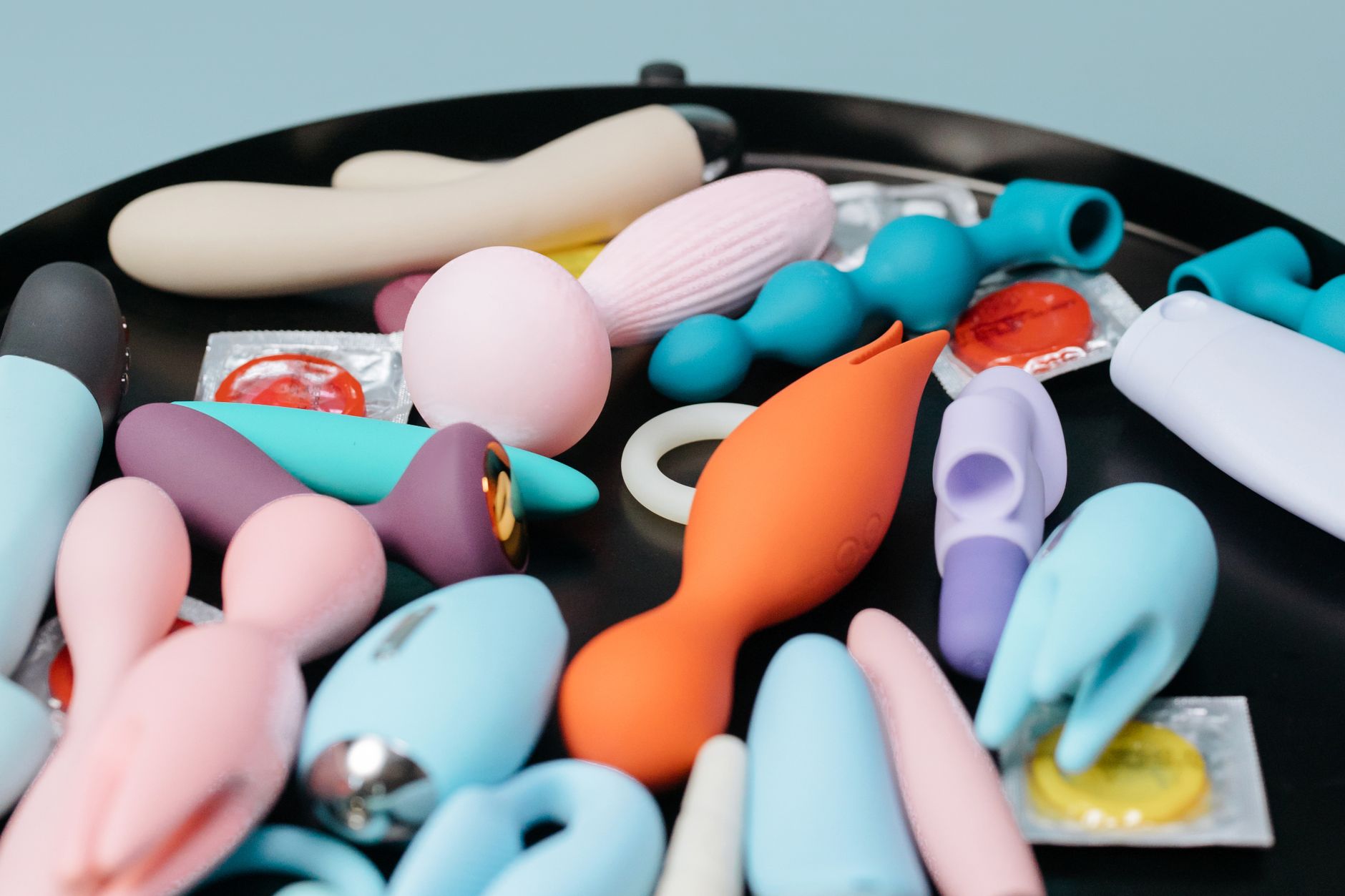
Photo by cottonbro studio on Pexels
The neurological advantage of pulsing over buzzing
Your vagus nerve is central to both arousal and nervous system regulation. When you're sensitive, your vagus nerve is more responsive. It can trigger relaxation faster, but it can also trigger shutdown faster too.
With traditional vibration, your nervous system gets stuck between arousal and alarm. The buzzing frequency is too high for your brain to feel safe, but the stimulation is real enough that you're locked in. This is why so many people with sensitive nervous systems report feeling "stuck" or "numb" during sex.
With a lemon vibrator's pulsing pattern, your vagus nerve gets clear information. Pulse = pleasure. Release = safety. Your nervous system can stay engaged without feeling threatened. This is why many of my clients with anxiety, ADHD, autism spectrum traits, or past trauma find that clitoral vibrators using air-suction actually help them reach deeper, more consistent orgasms than they've ever had.
Texture matters more than you think
Sensory sensitivity isn't just about intensity. It's also about how sensation feels against your skin. Silicone textures, toy weight, the way a toy contacts your tissues. A lemon clitoral vibrator's design is deliberately gentle. The suction cups are soft, the contact is distributed, and the pressure is even. There's no single point of sharp vibration that can feel overwhelming or intrusive.
Compare this to a traditional vibrator, which often concentrates vibration into a small tip. For a sensitive nervous system, this feels like a concentrated buzzing point, which can read as discomfort even when it's not intentionally harmful.
Why slower patterns work better for sensitive people
One of the biggest mistakes I see is assuming that more stimulation equals better results. Actually, for a sensitive nervous system, less frequent stimulation often creates more satisfying responses.
A lemon vibrator typically offers patterns that pulse between 2 and 8 times per second, depending on the setting. This is much slower than traditional vibrators. The slower frequency means your nervous system has time to register each pulse, feel it, and build on it. Your brain isn't overwhelmed. Your pleasure builds steadily instead of spiking chaotically.
This is why some of my clients tell me their first satisfying orgasm came the first time they tried a lemon clitoral vibrator. Not because it was the "best" toy, but because it finally worked with their nervous system instead of against it.
The warm-up phase gets shorter
With traditional vibrators, sensitive people often need 20 to 30 minutes of warm-up before they can even handle the sensation. With a lemon vibrator, that timeline compresses. Many people report productive pleasure within 8 to 15 minutes.
This isn't magic. It's efficiency. Your nervous system doesn't have to burn energy fighting overstimulation. It can go directly to arousal and then pleasure. You're not spending half your session just trying to tolerate the sensation.
Using a lemon clitoral vibrator if you're sensitive
Start on the lowest setting. Seriously. The first pulse pattern is probably all you need for the first week. Let your body adjust. Let your nervous system learn that this sensation means pleasure, not alarm.
Use lots of water-based lubricant. This protects sensitive tissue and also changes how suction feels. It's smoother, more distributed, less "sticky."
If you get overwhelmed, stop immediately. This is normal and not a sign of failure. Your nervous system is protecting you. Take a break, breathe, and try again another day. Many of my clients find that practicing nervous system regulation separately (breathwork, grounding, meditation) actually makes the pleasure experience more accessible because they're building capacity in their nervous system overall.
The relationship between sensitivity and depth
Here's something counterintuitive. People with sensitive nervous systems often experience deeper, more full-body orgasms once they find the right tool. This is because sensitivity means your nervous system is responsive. When you remove the overwhelm factor, that responsiveness becomes an asset instead of a liability.
You might not have more frequent orgasms with a lemon clitoral vibrator. You might have fewer, more satisfying ones. And for most people, that's the goal.
Partners and sensitive nervous systems
If you're in a relationship, this is worth discussing. Your sensitivity isn't a burden. It's information about how your body works best. A partner who understands that slower, steadier patterns work better for you can help you feel safer exploring pleasure together. Whether you're using a lemon vibrator solo or with someone else, the principle is the same. Your nervous system's needs come first.
People also ask
Can you use a lemon vibrator if you have misophonia or sound sensitivity?
Yes. One major advantage of air-suction clitoral vibrators is that they're much quieter than traditional vibrators. A lemon vibrator produces a soft pulsing sound, often barely audible. If you have sound sensitivity, this is a genuine comfort compared to the loud buzzing of traditional toys. Many people with misophonia find air-suction toys genuinely usable.
How long does it take to adjust if you've only used traditional vibrators before?
Most people adjust within 2 to 4 sessions. Your nervous system needs time to recognize the new sensation pattern. Give yourself at least a week of regular use before deciding whether it's working. Some people feel the difference immediately. Others need a few sessions for their body to settle into the rhythm.
Does a lemon clitoral vibrator still work if you're on medication that affects sensation?
Often better than traditional vibrators. Medications like SSRIs, antihistamines, or some blood pressure medications can dull sensation. The gentler, more intentional stimulation from a lemon vibrator sometimes penetrates that numbing effect more effectively because it's not fighting your nervous system. That said, if medication is significantly dampening pleasure, that's worth discussing with your doctor or a sex therapist. A toy change can help, but so can a medication adjustment.
Is a lemon vibrator better if you have ADHD or autism spectrum traits?
Many people with ADHD and autism report that they prefer air-suction toys because the pattern is predictable and less neurologically noisy. ADHD brains often struggle with the chaotic stimulation of rapid vibration, but respond well to rhythmic, patterned input. That said, everyone's different. If you fall into these categories, you might find a lemon clitoral vibrator more accessible, but your individual sensory profile matters more than your diagnosis.
Can suction feel too intense even though it's gentler?
Yes. Intensity and gentleness aren't the same thing. Suction can feel gentle even at higher settings because the pressure is distributed. But if you're very touch-averse or dealing with recent trauma, even gentle suction might feel too present. In that case, external wand vibrators at very low settings, or other toys with diffused stimulation, might be a better starting point. A sex therapist can help you find the right progression.
What's the difference between a lemon vibrator and other air-suction toys?
The Lem, our lemon clitoral vibrator, is specifically designed with sensitive nervous systems in mind. The suction pattern is tuned to feel responsive without overwhelming. The settings are granular, so you have real control over intensity and pattern. The silicone is soft, the contact is distributed, and the overall design prioritizes pleasure over aggression. Other air-suction toys exist, but they vary widely in quality and design. For a sensitive nervous system, precision matters.
The bottom line
If you have a sensitive nervous system and you've assumed you can't have strong orgasms, or that vibrators will always feel overwhelming, you've been working with the wrong tool. A lemon clitoral vibrator works differently because it respects how your nervous system actually processes pleasure.
Your sensitivity isn't a limitation. It's a feature of how deeply you can feel. Once you find a toy and a practice that honors that, pleasure becomes not something you have to push through to reach, but something you can relax into. That's the difference between settling for okay and discovering what your body is actually capable of.
If you want to explore this further, reach out. I'm here to help you find what works for your body, not what marketing tells you should work.