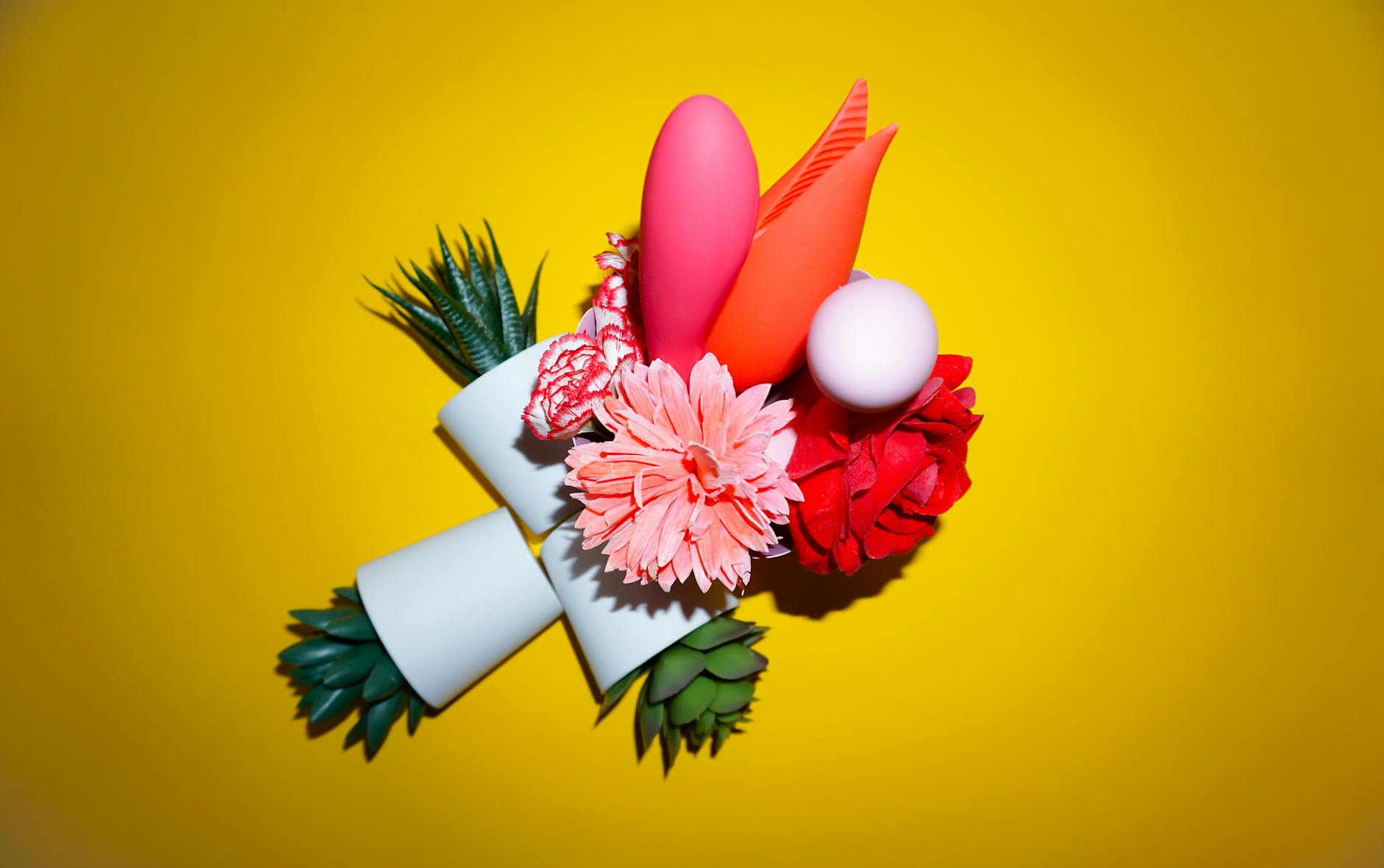
Let's talk about why some vibrators hurt
Thin or sensitive genital tissue isn't fragile. It's just different. And a vibrator designed for average tissue can feel rough, overstimulating, or downright painful against tissue that needs a gentler approach.
Maybe you've noticed this yourself. A traditional vibrator that worked fine five years ago suddenly feels too intense. Or you've been told your tissue is thinning. Or you're dealing with atrophy, post-surgical recovery, or just naturally sensitive skin down there. The instinct is often to back away from pleasure entirely. But there's a better option: switching to a tool designed specifically for gentler stimulation.
Why traditional vibrators can feel harsh
Most vibrators work through repetitive buzzing or up-and-down motion against tissue. Think of it like pressing a small jackhammer against skin that's already thin or inflamed. Even on the lowest setting, the constant friction and direct pressure can create micro-tears or irritation.
The problem gets worse if the tissue has reduced blood flow or elasticity. Post-menopausal tissue, tissue recovering from procedures, or tissue affected by certain medications all have this in common: they need stimulation that works with the body's current state, not against it.
How lemon vibrators work differently
Lem Nancy's Shop lemon suction toys don't vibrate the tissue. They cup it gently and create rhythmic pulses of suction that stimulate the nerves without friction.
Here's the mechanical difference: instead of a vibrating head pressing down, a lemon clitoral vibrator uses gentle suction patterns. This means:
- Zero direct rubbing against sensitive tissue
- Stimulation that works through gentle pressure changes, not friction
- A pattern that feels more like a partner's mouth than a buzzing device
- Adjustable intensity that starts soft and builds only as much as you want
For thin or sensitive tissue, this is the difference between pain and pleasure.
Why gentler stimulation actually works better
Your clitoral nerves don't care whether stimulation comes from friction or suction. They respond to pressure, rhythm, and intensity. Suction delivers all three without the mechanical damage that comes with direct vibration against fragile tissue.
When you use a lemon vibrator on sensitive skin, your body doesn't spend energy managing irritation. That means more blood flow goes toward arousal itself, stronger sensations build faster, and orgasms often feel more intense than they would with a toy that's left your tissue raw.
This is especially true if you've been avoiding pleasure because of pain. The first time you use a tool that doesn't hurt, something shifts. Pleasure and pain stop being linked.
Who needs this most
Thin or sensitive tissue shows up in several situations. Post-menopausal bodies often have reduced estrogen, which thins the outer layer of tissue. Anyone recovering from pelvic procedures, childbirth complications, or surgical interventions deals with healing tissue that feels different. Some people are naturally sensitive. Certain medications (antidepressants, antihistamines, even some blood pressure meds) can reduce lubrication and sensitivity, making tissue feel more fragile.
If you're in any of these camps, a lemon vibrator isn't a luxury. It's a practical choice that actually lets you access pleasure again.
The lubrication factor
Gentle suction works even better with water-based lubricant. The lube creates a seal that helps the suction work smoothly without tugging on tissue. It also protects sensitive skin from any microscopic friction during the pulse patterns.
This matters more than people realize. With a traditional vibrator, lube just reduces friction. With a lemon clitoral vibrator, good lube is part of the system. It makes the difference between uncomfortable and genuinely pleasurable.
Starting slowly with sensitive tissue
Even though lemon vibrators are gentler, sensitive tissue still deserves a slow introduction. Begin on the lowest setting. Spend time exploring what patterns feel good before turning anything up. Your body will tell you when it's ready for more intensity.
Many people with sensitive tissue report that their most intense orgasms come once they've spent a few sessions just getting acquainted with the tool. Patience genuinely pays off here.
What doesn't help (and what does)
Pushing through pain doesn't build tolerance. It builds dread. If a vibrator hurts, it's not the right tool. Avoiding pleasure won't fix thinning tissue either. But consistent, gentle stimulation actually increases blood flow to the area, which can improve tissue quality over time.
This is why how lemon vibrators help when you're rebuilding pleasure after taking a break works so well. You're not just using a tool. You're literally investing in your tissue's health.
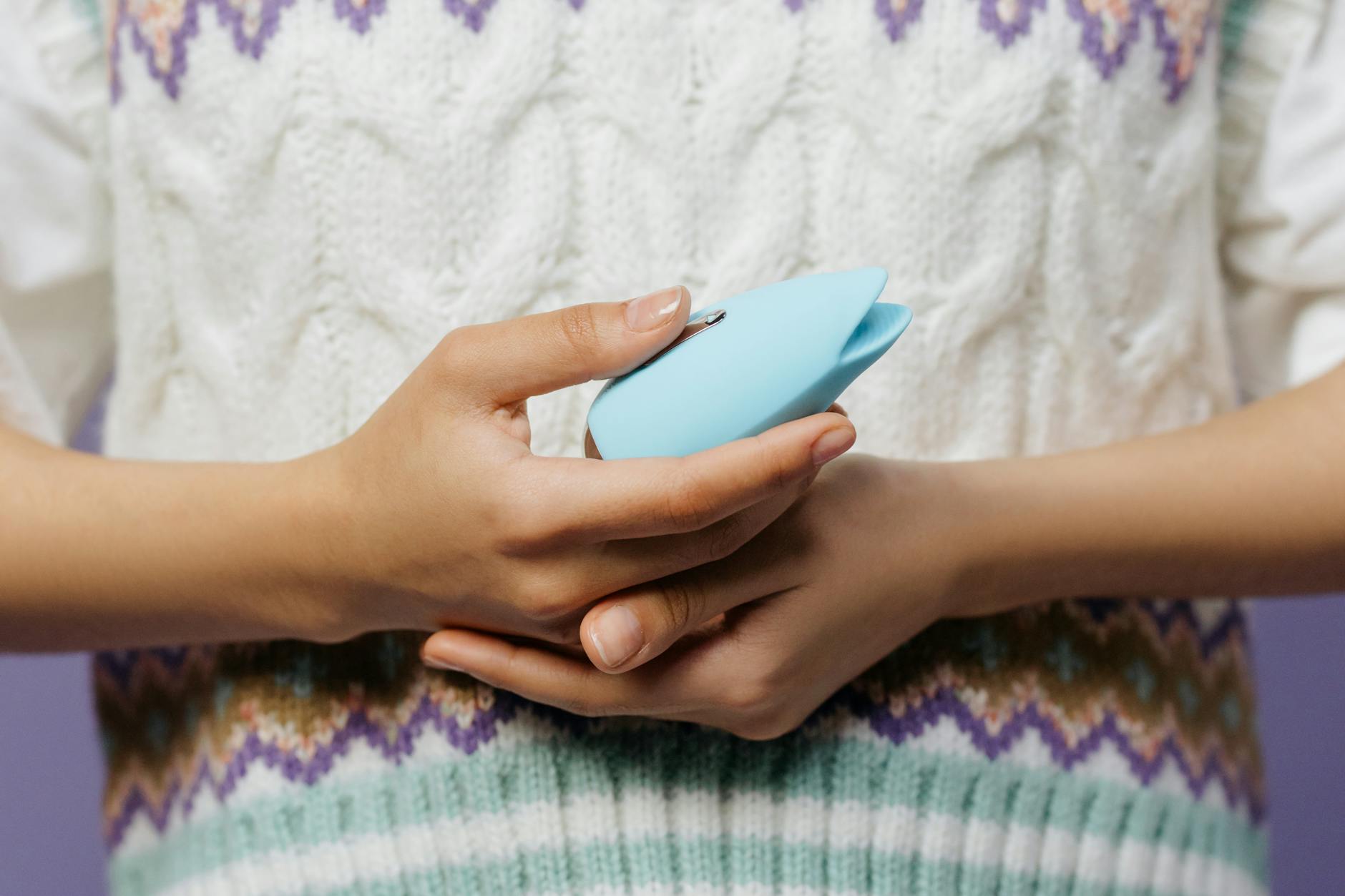
Photo by cottonbro studio on Pexels
When to see someone
If your tissue is thinning enough to cause pain during normal activity or sex, a conversation with your doctor or gynecologist is worth it. Genitourinary syndrome of menopause (GSM) or other conditions affecting tissue integrity respond well to topical estrogen creams or other interventions. A lemon vibrator works alongside those treatments, not instead of them.
Same logic if you're recovering from a procedure. Your care team can tell you when tissue is ready for stimulation again. Once they give the green light, a gentle tool like a lemon clitoral vibrator is often the safest next step.
The confidence piece
Here's something that doesn't get talked about enough: pain during pleasure creates a feedback loop. You hurt once, so you avoid it. The longer you avoid, the more anxiety builds. The anxiety makes you tense, which makes pain worse when you try again.
Breaking that cycle requires a tool that feels safe. For sensitive tissue, that usually means something that doesn't hurt on first try. Lemon vibrators clear that bar in a way traditional vibrators often don't. That alone can shift everything.
FAQ: Thin or Sensitive Genital Tissue and Lemon Vibrators
Can I use a lemon vibrator if my tissue is too thin?
Yes, usually. Lemon clitoral vibrators are gentler than traditional vibrators because they use suction instead of direct rubbing. That said, if you're in active recovery from surgery or dealing with severe tissue damage, check with your doctor first. Once you get clearance, a lemon vibrator is often the perfect starting tool.
Will using a lemon vibrator make my tissue thicker or stronger?
Consistent gentle stimulation increases blood flow to the area, which can improve tissue quality over time. It won't reverse menopause or undo atrophy, but it can absolutely support your tissue's resilience. Think of it like exercise for your pelvic area.
What's the difference between a lemon vibrator and other gentle vibrators?
Most gentle vibrators are just traditional vibrators on a lower setting. They still use friction. A lemon suction toy works through a completely different mechanism. no friction means no irritation, even on sensitive skin. That's the core difference.
Should I use lubricant with a lemon vibrator if I have sensitive tissue?
Yes. Water-based lubricant creates a protective seal and helps the suction work smoothly. It's not just comfort. It's part of how the tool functions safely. Apply generously.
How long does it take to feel comfortable using a lemon vibrator if your tissue is sensitive?
Some people feel comfortable in the first session. Others need three to five sessions to fully relax and trust the sensation. There's no timeline. Go at your own pace. Pressure (external or self-imposed) works against pleasure, especially when tissue is sensitive.
Can thin tissue be a reason to stop having sex altogether?
No. It's a reason to adapt. How lemon vibrators help when you feel disconnected from your body covers this territory. Thin tissue is manageable with the right approach. It doesn't have to mean the end of pleasure or intimacy.
The bottom line
Sensitive tissue deserves tools designed specifically for sensitive tissue. A lemon clitoral vibrator isn't a compromise or a backup choice. For many people, it's actually the better choice. It works with your body instead of against it. That's not settling. That's smarter.
Your pleasure matters. Your comfort matters. If traditional vibrators don't feel right, you're not broken. You just need a different tool. Reach out to Lem Nancy's Shop if you want to talk through what might work best for your body.
Sources
Maestri, G., et al. (2020). "Genitourinary syndrome of menopause: mechanisms and current therapeutic approaches." Journal of Clinical Medicine.
Lindau, S. T., et al. (2018). "A study of sexuality and health among older adults in the United States." New England Journal of Medicine.
DeMaria, A. L., et al. (2022). "Sexual dysfunction in women with pelvic floor dysfunction: A systematic review." Current Sexual Health Reports.