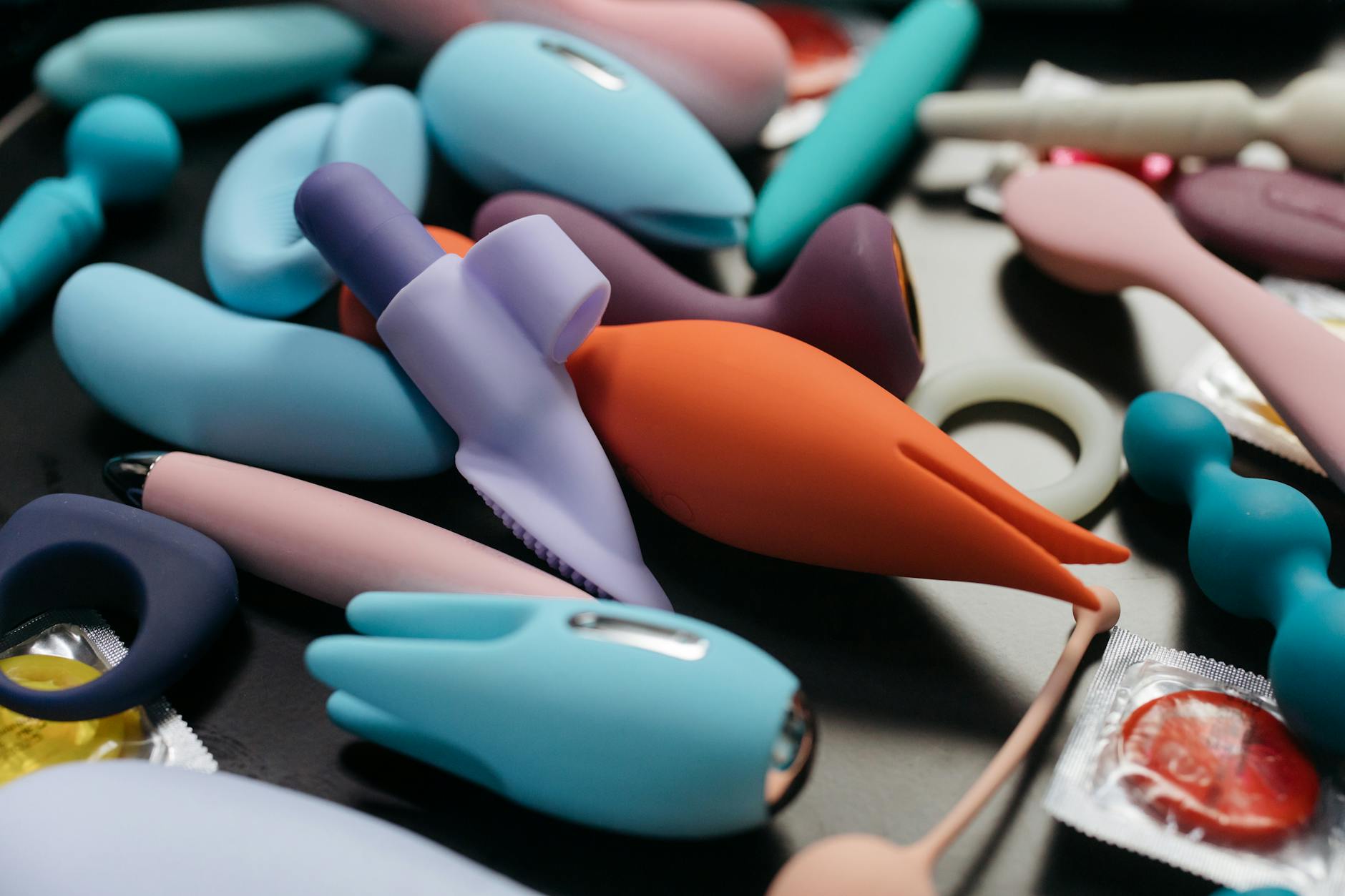
Let's be real about sexual dysfunction recovery
Sexual dysfunction is isolating. Whether it's caused by medication, trauma, relationship rupture, hormonal shifts, or pure anxiety, the experience is the same: your body used to respond one way, and now it doesn't. The psychological weight of that shift often does more damage than the physical component. You're not just dealing with a body that won't cooperate. You're dealing with shame, loss, and the sneaky voice that says maybe this is just permanent now.
It's not. Recovery is possible. And the right tools, especially lemon vibrators, can be the bridge between where you are and where you want to be again.
Why sexual dysfunction feels like a complete shutdown
Sexual dysfunction shows up in different forms. Sometimes it's difficulty reaching orgasm. Sometimes it's no arousal at all. Sometimes pleasure flattens into numbness. Sometimes pain appears where there was none before. The trigger matters less than this fact: your nervous system has learned to protect you by shutting down pleasure signals.
That's not a flaw. That's actually your body being smart. When something threatens your sense of safety or triggers old patterns of shame, your nervous system downregulates. It's trying to keep you safe. The problem is that safety mechanism can lock in place, and then you're stuck.
Most people try to force their way through this. Willpower. Pressure. "Just relax." That never works. Recovery requires a different approach entirely.
How lemon vibrators change the recovery equation
Three things make lemon vibrators genuinely different for sexual dysfunction recovery.
The suction mechanism rewires the nervous system differently than traditional vibration. Traditional vibrators stimulate through rapid oscillation. Your nervous system might already associate that type of stimulation with pressure or performance anxiety. Lemon vibrators use gentle suction technology instead. This creates a completely new neural pathway. Your body doesn't recognize it as the same thing that shut down before. That novelty alone can unlock something.
The sensation is less intense at the starting points, which matters for rebuilding confidence. When you're recovering, you often need to start small. Very small. Most vibrators have a minimum intensity that still feels aggressive to a nervous system in protection mode. Lemon vibrators can operate at pattern intensities 1 and 2 that are genuinely gentle. You can explore without triggering that freeze response.
The lack of direct pressure reduces performance anxiety. Direct mechanical vibration can feel like a demand. Suction feels more like invitation. That psychological shift is not small. You can explore at your own pace without the sensation of "making something happen." Recovery thrives on agency. Lemon vibrators give you that.
The actual recovery pathway
Here's what I see work repeatedly with clients rebuilding sexual function.
Week 1-2: Sensation mapping. No goal. No pressure for arousal or orgasm. Just exploration. Use your lemon vibrator at the lowest setting in a relaxed context, noticing what you feel. Where does sensation show up? Where is numbness? This isn't about getting results. It's about re-establishing the mind-body conversation.
Week 3-4: Consistent touch. Same time, same space, same tool. Your nervous system loves predictability. That routine signals safety. Three times a week at minimum. You're teaching your body that this context is safe for pleasure.
Week 5-8: Gradual intensity increase. Only if sensation is returning. Move from pattern 1 to pattern 2. Stay there for a few sessions. This isn't a race. You're building sensitivity, not chasing orgasm.
Week 9+: Integration with arousal building. Longer warm-up. Partner involvement if applicable. You can read more about this in our guide on how to use lemon vibrators during your cycle to maximize pleasure, which covers arousal timing even though the context is different.
Throughout this process, the goal isn't orgasm. The goal is reconnection.
When anxiety is the actual problem
Honestly, most sexual dysfunction includes an anxiety component. Sometimes anxiety is the only component. You're worried it won't work, so your nervous system ensures it won't. Vicious cycle.
Lemon vibrators help here in a specific way: they're unfamiliar enough that they bypass the old anxiety script. You don't have years of performance history attached to them. There's no expectation set by past experience. That blank slate is valuable.
Pair that with something crucial: permission to stop. If you're using a lemon vibrator and nothing happens, you haven't "failed." You've gathered information. Your nervous system is telling you something about what it needs. Listen to that. Try again next week. No pressure.
The role of your partner (if there is one)
If you're recovering in a relationship, communication has to come first. Your partner needs to understand this isn't about their attractiveness or capability. Sexual dysfunction is a nervous system signal. It's not personal.
The second part is patience. Real patience. Not "I'm being patient but I'm secretly resentful" patience. Actual willingness to slow down and rebuild together. A lemon vibrator can be part of partnered sex, but only after you've rebuilt your own connection to pleasure. Use it solo first. Once you trust it and your body trusts it, then you can explore it together.
If you're not sure how to navigate that conversation, you're not alone. We wrote about how to use lemon vibrators with your partner without feeling self-conscious, which covers exactly this scenario.
When to bring in professional support
Self-care tools like lemon vibrators are powerful. They're not therapy. If your sexual dysfunction is rooted in trauma, you need a trauma-informed sex therapist alongside any other recovery work. If it's rooted in relationship ruptured trust, couples counseling matters. If medication side effects are the cause, a conversation with your doctor about alternatives or dosage matters.
Lemon vibrators are part of the solution, not the whole solution. They work best when you're also addressing the root cause. Think of them as the bridge while you're doing the deeper work.
Why lemon vibrators specifically for recovery
Lemon suction technology creates a sensory experience that feels distinct from penetration, traditional vibration, or hand stimulation. That distinctiveness is exactly what makes it useful in recovery contexts. Your nervous system isn't pulling up old patterns of performance or shame. It's encountering something genuinely new.
The gentle starting intensities matter too. Recovery requires you to go slow. Lemon vibrators let you do that without feeling like you're barely turning something on. You're actually at a functional intensity for your current nervous system state.
And the simplicity of use matters. You don't need instructions or technique. You're just exploring. That lowered cognitive load takes pressure off and helps you stay present in your body.
The timeline expectations
Recovery isn't fast. I tell clients to expect 8 to 12 weeks of consistent, patient exploration before sensation really returns. Some notice shifts in 3 weeks. Some take longer. Genetics, trauma history, medications, relationship dynamics, stress levels, and plain neurobiology all affect timing.
What matters is consistency, not speed. One 20-minute session with a lemon vibrator every week does more than three frantic sessions when you remember. Your nervous system responds to reliability, not intensity of effort.
Most people see noticeable sensation return between weeks 6 and 10. Confidence comes even slower, because confidence is about repeated positive experiences stacking up. That takes time.
People also ask
Can I use a lemon vibrator if I have sexual pain alongside numbness? Yes, but start even gentler. The suction technology is less likely to cause irritation than traditional vibrators, but begin at the lowest settings. Pain and numbness often coexist in trauma-related dysfunction. Go slow and consider working with a pelvic floor physical therapist alongside using a lemon vibrator.
How long before I should expect to orgasm again? That's the wrong timeline. Orgasm is a byproduct of reconnection, not the goal. If you're fixated on achieving orgasm, you're activating the same performance anxiety that created the dysfunction. Shift your goal to sensation first. Orgasm often follows naturally once the nervous system trusts pleasure again. For some people that's 4 weeks. For others it's 4 months.
Should I use my lemon vibrator every single day during recovery? No. Three to four times weekly is ideal. Your nervous system needs recovery time too. Daily use can feel like pressure and actually slow down the reconnection process. Consistency matters more than frequency.
What if I'm recovering alone after a breakup or loss? Solo recovery is actually simpler in some ways. You're not managing another person's expectations or timeline. That said, isolation can deepen shame. Consider working with a therapist. A lemon vibrator becomes a tool for rebuilding relationship with your own pleasure, which is the whole point.
Can my partner use a lemon vibrator on me, or does it have to be solo exploration first? Solo exploration first, absolutely. You need to trust the sensation on your own terms before introducing another person's agency. Once you've rebuilt confidence and sensation, partnered use is wonderful. But start alone.
What if I'm on antidepressants that killed my sexual function? That's common and fixable. Work with your prescriber first. Sometimes a dose adjustment or timing change helps. A lemon vibrator can help rebuild sensation while you're also addressing medication factors. These aren't either-or solutions. For more on this specific scenario, check out how to use lemon vibrators when antidepressants affect your orgasms.
What recovery actually looks like
Recovery isn't returning to exactly where you were. It's building something new, something possibly deeper. You're not trying to resurrect the past. You're creating a present-day relationship with your body that's informed by what you've learned in the rupture.
A lemon vibrator is a tool for that rebuilding. It's not magic. Nothing is. But it's a genuinely useful tool because it meets you where you are right now, not where you used to be. It invites rather than demands. It opens doors instead of forcing them.
If you're in recovery, be patient with yourself. Your body isn't broken. Your nervous system is doing its job. You're simply helping it learn that pleasure is safe again. That takes time. That takes consistency. And sometimes, it takes the right tool.
Ready to start exploring? Reach out to us at /contact if you have questions about which lemon vibrator might fit your recovery journey best.