Let's talk about desire vs arousal, because they're not the same thing
Here's the thing nobody separates clearly: stress kills desire. Not arousal. Not the capacity for pleasure. Desire. The wanting part. The "I think about sex and feel a flutter" part. The part that makes you initiate, that makes your body move toward touch before your brain even finishes the thought.
Desire is a choice of the nervous system. Arousal is mechanics. When you're chronically stressed, your nervous system decides sex is a low priority because survival feels uncertain. So you can absolutely have the ability to orgasm and still feel zero interest in the process. You can be with someone you love, be touched in ways that technically work, and feel completely absent. That's not dysfunction. That's your body being rational about scarcity.
Most people (and most therapists, if I'm honest) try to fix this with more foreplay, more creativity, more effort. The better move is resetting your nervous system first. Once your body stops treating arousal like a luxury expense, desire tends to follow.
Why stress specifically tanks the wanting
When you're in chronic stress, your sympathetic nervous system (the gas pedal) is pressed hard. Cortisol and adrenaline are elevated. Your body is scanning for threats. In this state, the parasympathetic nervous system (the brake pedal) is suppressed. And here's the thing: you cannot access desire without parasympathetic activation. You can't want something your body doesn't feel safe wanting.
Desire requires vulnerability. It requires your nervous system to trust that it's okay to want something, to be touched, to be seen. When you're in fight-or-flight, that feels impossible. Your body knows the difference between "I can have an orgasm if I really focus" and "I want this." And stress lives in the gap between those two states.
This is why desire comes back slowly. You can't force it with willpower or communication strategies alone. You have to convince your body that it's safe to want again.
The nervous system reset that actually works
There are three pieces to this:
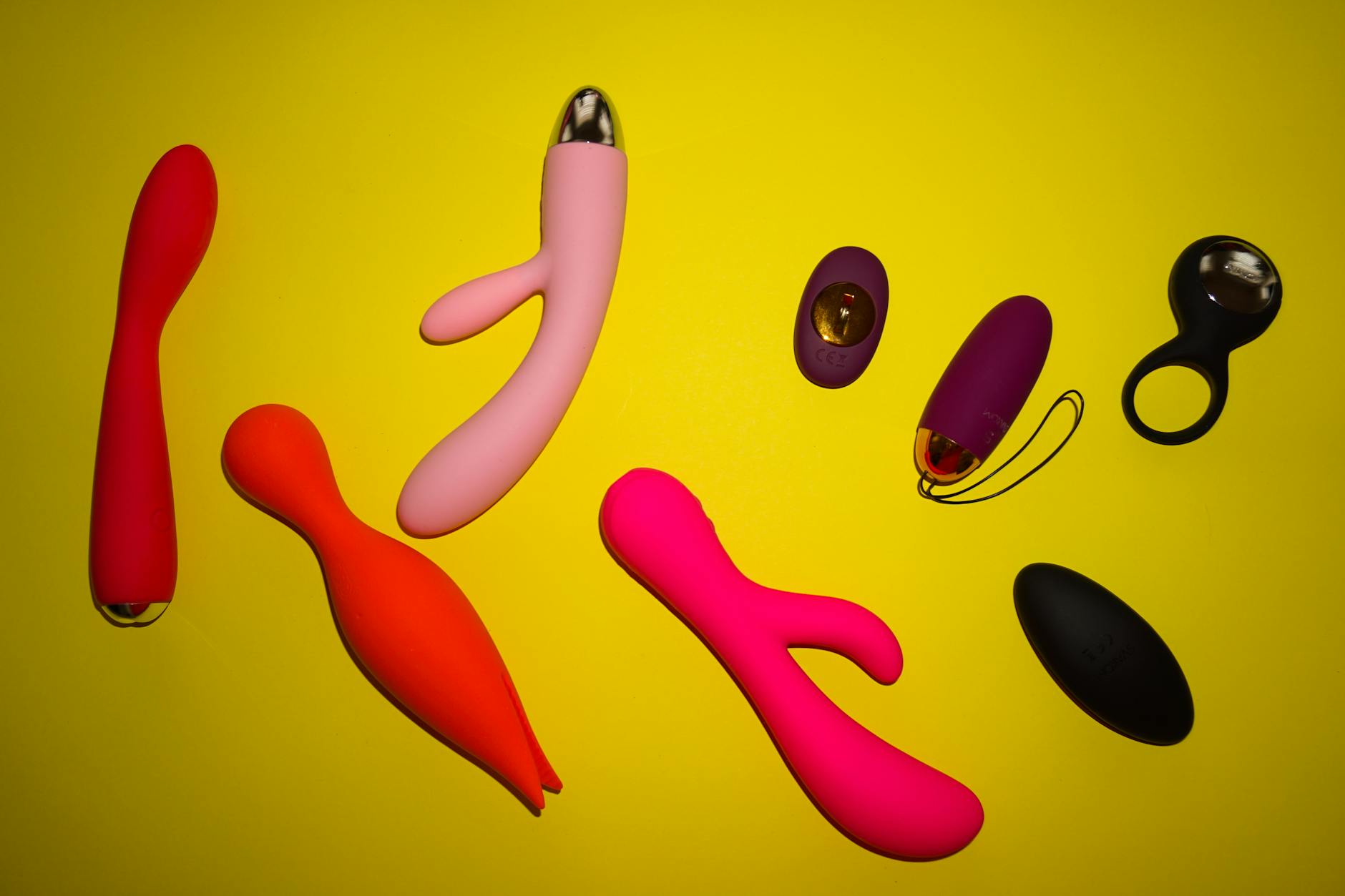
Bilateral stimulation. Your nervous system processes threat and safety through side-to-side, rhythmic input. This is why walking helps, why rocking helps, why bilateral eye movement helps in trauma therapy. It literally calms your threat-detection system. Lemon clitoral vibrators and other suction toys provide rhythmic, bilateral stimulation in a way that's grounding and present. You feel it. You can't dissociate into a worry spiral because the sensation demands attention.
Safe pleasure without performance. When desire is low, the pressure to perform kills whatever tiny spark might exist. Solo play with a lemon sucker removes the audience, removes the expectation to come or respond a certain way. You're allowed to feel what you feel. You're allowed to feel nothing. This takes the stakes down from "fix my libido" to "what does pleasure feel like when no one's watching."
Predictable rhythm. Anxiety lives in unpredictability. Your nervous system relaxes around patterns. The consistent, gentle suction of something like the Lem creates a rhythm your nervous system recognizes as safe. It's meditative. You can actually settle into sensation instead of monitoring whether you're responding correctly.
How to use lemon vibrators specifically for stress recovery
Start in a parasympathetic state. This matters more than you'd think. Don't use a lemon clitoral vibrator when you've just come from a stressful meeting or an argument. Give yourself 20 to 30 minutes in a calm space first. Dim lights, maybe a playlist, your phone in another room. Your nervous system needs to downshift before pleasure can show up.
Use it without a goal. Not "I need to orgasm," not "I need to want sex again by next week." Just "What does this feel like?" This removes the performance layer that stress has already amplified in your brain.
Pay attention to speed, not intensity. When stress is high, you might reach for stronger vibration, higher suction, anything to feel something. Resist that. Start at a lower setting on your lem vibrator and stay there. Your nervous system needs slow, predictable input to reset. Intensity comes back naturally once desire returns.
Do this regularly, ideally 2 to 4 times a week. Consistency is what teaches your nervous system that pleasure is safe and predictable, not a rare emergency event you have to achieve.
The role of partnered pleasure in rebuilding desire
If you're in a relationship, your partner doesn't disappear while you're rebuilding. But the focus shifts. Instead of "let's fix this together," the conversation becomes "I'm working on reconnecting with my own pleasure, and I'll let you in when I'm ready."
This takes pressure off them (they're not responsible for fixing you) and pressure off you (you're not performing for an audience). When your partner understands that desire is a nervous system state, not a reflection of how you feel about them, it changes the dynamic. They can support you without expecting to be part of the solution immediately.
Many couples find that solo work with a lemon vibrator actually accelerates partnered intimacy. Because once you've felt pleasure without an audience, without pressure, without monitoring your own response, you remember what wanting actually feels like. And then you want to bring that to your partner.
When to expect desire to return
This is not a two-week fix. Nervous system rewiring takes time. Most people I work with see shifts in 4 to 8 weeks of consistent solo play. Not a full return to pre-stress libido. Just a thaw. A feeling that maybe, possibly, sex is interesting again.
Desire returns unevenly. Some days you'll feel a spark. Some days you'll feel nothing. That's normal. You're not starting from zero. You're starting from "nervous system convinced pleasure is a threat" and moving toward "nervous system open to possibility again."
If you've been in chronic stress for years (job instability, caregiving, health anxiety, relationship conflict), expect it to take longer. Your nervous system learned to protect you for good reason. It's not going to believe it's safe to want again overnight.
What to do about the underlying stress while you rebuild
Here's the honest part: lemon clitoral vibrators help reset your nervous system in the moment, but they're not a substitute for actually managing the stress itself. If your job is unsustainable, if your relationship is exhausting, if your anxiety is untreated, pleasure work alone won't stick.
You might notice desire creeping back after a few weeks of solo play, then disappearing again when the stress spikes. That's not failure. That's your nervous system accurately reporting that conditions aren't safe yet.
This is when you need to look at the actual stressor. Can you change jobs? Can you set boundaries? Can you get therapy for the anxiety? Can you have a difficult conversation with your partner about the dynamic that's draining you? These aren't optional extras. They're part of the same work.
Lemon vibrators are a tool for reconnecting with your body while you do that larger work. They're not the entire solution.
Small shifts that compound
Desire doesn't come roaring back. It comes as a whisper. A thought that lasts three seconds. A moment where your partner touches your arm and you don't immediately calculate the energy cost of sex. A morning where you wake up and think about your body without judgment.
These tiny moments are the real signal that your nervous system is settling. When you notice them, don't push. Just observe. Let your body know you're paying attention. The more you notice and honor these small flickers, the more your nervous system trusts that desire is welcome again.
This is also where how lemon vibrators improve pleasure and sensitivity after hormonal changes becomes relevant. Even as stress is the primary issue, hormonal factors often run parallel. Understanding both layers gives you a clearer picture.
Rebuild at your pace. Your nervous system knows what it needs. Your job is to create the conditions where it feels safe to want again.
FAQ: Rebuilding desire when stress is high
How long does it take for libido to come back after chronic stress?
Most people see noticeable shifts in 4 to 8 weeks of consistent nervous system work. Full desire recovery often takes 3 to 6 months, depending on how long the stress has been present and whether the underlying stressor is still active. The key is consistency over intensity. Using a lemon clitoral vibrator twice a week for eight weeks will shift your nervous system more than intense effort for two weeks straight.
Can I use a lemon vibrator if I'm on antidepressants that affect libido?
Yes, absolutely. In fact, lemon sexual toys often work well alongside antidepressants because they bypass the medication's dampening effect on arousal and focus on nervous system state instead. Some medications flatten desire and orgasm simultaneously. Lemon vibrators help you stay connected to pleasure even when medication is managing your mental health. If you're concerned about interactions, your prescriber can clarify, but vibrators themselves don't interact with psychiatric medications.
Is it normal to feel nothing when using a lemon sucker if my stress is really high?
Completely normal. If your nervous system is in full threat mode, even pleasant sensations might feel distant or disconnected. This is dissociation, and it's a sign your body is protecting itself. Rather than pushing harder, scale back. Use it for 5 minutes instead of 15. Lower the intensity. Focus on just noticing sensation, not generating pleasure. Your goal is to prove to your nervous system that this is safe, not to achieve anything.
What if my partner is impatient while I'm rebuilding desire?
This is a conversation worth having directly. Explain that desire is a nervous system response to safety, not a choice or a reflection of attraction. Let them know you're actively working on this. Set expectations: "I'm doing solo work. I'll let you know when I'm ready to bring you in." If your partner pressures you or makes this your responsibility to fix quickly, that pressure is part of the stress keeping desire low. Their willingness to give you space is part of what helps your nervous system believe it's safe to want again.
Can stress-related low desire happen alongside other issues?
Yes. Stress often coexists with hormonal shifts, medication side effects, or relationship issues. The fact that stress is the primary driver doesn't mean those other factors aren't present too. This is why rebuilding takes time and attention. You're not just managing stress. You're also observing what happens to desire as stress decreases, which often reveals other patterns. That observation is useful information.
Should I tell my doctor about low desire from stress?
Yes, if the stress itself is unmanaged or if you're on medications that might be contributing. Your doctor can help you distinguish between stress-driven low desire and other medical causes. They can also help you access therapy or stress management tools that actually work for your situation. This isn't a conversation to have alone. You deserve support.
Your desire matters. Your pleasure matters. And your nervous system's need for safety matters more than anyone's expectation that you be instantly ready for sex. Take the time. Use the tools. Trust your body.