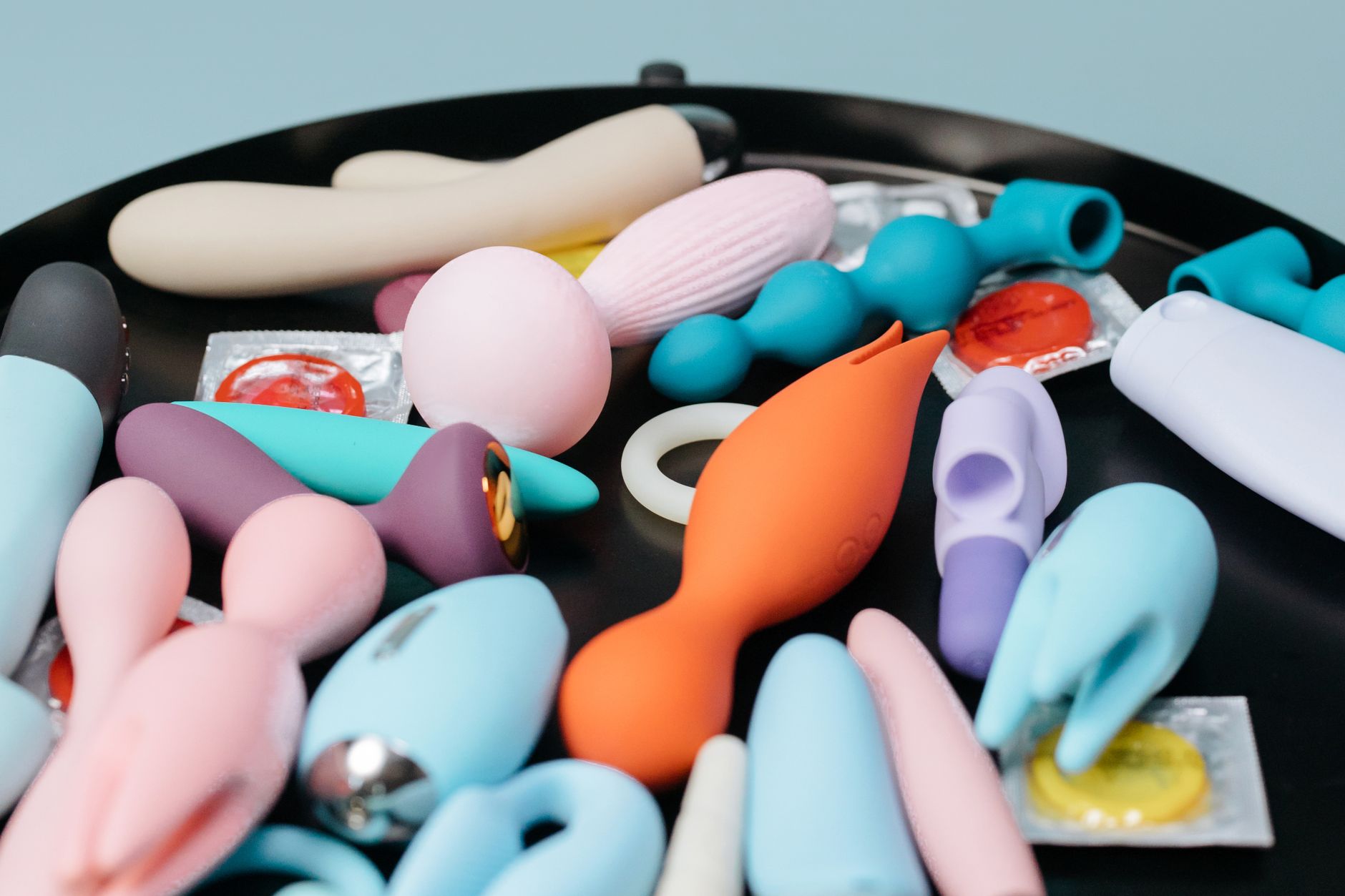
How to Use Lemon Vibrators if You Have Low Libido From Depression
Let's be real. Depression doesn't just change how you feel emotionally. It rewires your whole body's relationship to pleasure, including sex. And the most frustrating part? Knowing intellectually that you used to want it, used to enjoy it, and feeling absolutely nothing in that direction now.
The good news: that flatness is not permanent, and it's not a reflection of your capacity for sensation. It's a symptom. What I've found working with couples through major depressive episodes is that the right tool, used at the right time in the right way, can actually help your nervous system remember what pleasure feels like before your mood fully recovers.
Lemon vibrators, particularly suction-based designs like the Lem, work differently than traditional vibration. That difference matters when depression has dampened your ability to feel much of anything.
Why depression kills libido (and why it's not your fault)
Depression operates on your nervous system like a dimmer switch turned all the way down. Your dopamine and serotonin drop, which doesn't just affect mood. Those same neurotransmitters drive sexual desire, arousal response, and the ability to feel pleasure at all.
Antidepressants help, but many of them come with their own sexual side effects. SSRIs, which are prescribed more often than any other class, can actually flatten arousal further for about 30 to 40 percent of people taking them. That's not a personal failure. That's pharmacology.
Here's what's important to know: the neural pathways for pleasure don't disappear. They're just muted, like a song playing through a thick wall. Your body can still respond. It just needs different input.
Why lemon vibrators work differently when desire is low
Traditional vibration is fast, direct, and relatively intense. When your nervous system is already overwhelmed by depression, that intensity can feel like too much stimulation. It feels like noise instead of signal.
Lemon suction vibrators use a completely different mechanism. The suction creates a gentle, rhythmic pulse against clitoral tissue without the relentless buzzing. That difference is neurologically important. Suction stimulation engages different nerve clusters than vibration does. For someone whose sensory gating is already compromised by depression, that novelty can actually help.
Many of my clients report that suction feels less intense in a grounding way. It's localized, rhythmic, and doesn't require the sensory bandwidth that vibration demands. When your brain is already rationing its resources, that matters.
Starting small: the reintroduction protocol
Don't jump back into sex the way you used to. Depression rewrites your whole relationship to pleasure, and you're rebuilding trust with your own body.
Here's what actually works:
Week one: sensation without expectation. Use the lemon vibrator for 5 to 10 minutes in a low-pressure setting (patterns 1 or 2 if your device has variable intensity). The goal is not to come. The goal is to feel something. Your job is to notice. Does it feel warm? Does it create a subtle buzz? Can you feel the difference between the stimulation and the rest of your body? That's the entire goal.
Week two: extend the time. If week one felt tolerable, move to 15 minutes. Still no pressure for orgasm. Add a simple lubricant if you need it. Water-based works fine. You're training your nervous system to recognize pleasure input as safe and normal again.
Week three: pattern exploration. If your lemon vibrator has multiple settings, try patterns 2 or 3. Stay in the lower to mid range. Notice which one feels closest to what pleasure used to feel like. That pattern becomes your anchor.
Week four and beyond: you decide. Some people find that after a month of consistent, low-pressure use, something shifts. The wall around desire starts to thin. Others need longer. That's fine. You're not racing. You're rewiring.
The logistics that actually help
When depression has knocked out your motivation, friction matters more. Remove every possible barrier.
Set a time. Pick one where you're not exhausted and not expected to be anywhere. Even Sunday morning for 15 minutes before the day starts. Consistency matters more than duration.
Use lubricant. Depression often comes with vaginal dryness (that's the hormonal component), and no suction vibrator works well when tissue is dry. Water-based lube isn't weakness. It's infrastructure.
Keep your lemon vibrator charged and accessible. If you have to hunt for it, you won't use it. Keep it on your nightstand in a small drawer or pouch. Visible enough that you remember, private enough that you're comfortable.
Don't combine this with pressure to have partnered sex. This is solo rewiring. If you have a partner, tell them what you're doing. Tell them it's not about them. Tell them the goal is to help your body remember something that depression has stolen. That honesty actually rebuilds intimacy faster than pretending everything is fine.
The role of antidepressants and timing
If you're currently in the first 4 to 6 weeks of starting an antidepressant, your sexual side effects might be at their peak. This is not the moment to push. Let the medication settle. Usually by week 6 or 8, the acute numbness begins to ease slightly.
If you've been on the same antidepressant for months and the sexual side effects haven't improved, this is worth discussing with your prescriber. Dose adjustments, timing changes, or switching medications can help. A lemon vibrator isn't a substitute for that conversation.
That said, once you're on a stable dose that's working for your mood, using a clitoral vibrator can actually help you find the sexual pleasure that the medication might still be slightly dampening. You're not fighting the antidepressant. You're working around it.
What to do if nothing is happening
If after 6 to 8 weeks of consistent use, you still feel absolutely nothing, that's important information, not failure.
First: check your expectations. Are you waiting for the fireworks you used to feel before depression, or are you noticing micro-sensations? Depression makes fireworks hard. Micro-sensations (a slight warmth, a gentle pulse, the sense that something is happening) count.
Second: consider whether your antidepressant is the right one. SSRI sexual side effects are real and sometimes stubborn. Your psychiatrist might suggest adding a medication that counters sexual side effects, or switching to something like bupropion, which actually tends to preserve sexual response.
Third: talk to a therapist. If you have a therapist (and if you're managing depression seriously, you should), bring this up. Sometimes the psychological component of depression is holding you back more than the neurochemical one. Shame about the flatness can actually create its own barrier.
Rebuilding desire alongside pleasure
Here's what I see happen in couples I work with: pleasure starts to return before desire does. You'll start to notice sensations before you notice that you want sex.
That's actually the right order. Desire is the harder thing to rebuild. It usually comes after your nervous system has relearned that pleasure is possible. Impatience here creates its own pressure, which shuts everything down again.
If you have a partner, this is the moment to talk about what pleasure without desire looks like. Can they be present with you while you use the lemon vibrator? Not watching like a performance, but nearby, reading, available? For some couples, that kind of gentle presence actually helps the person with depression relax enough for sensation to register.
For others, solo use is the only way. Both are completely fine. There's no "right" way to rebuild this.
A note on hope
Depression lies. It tells you that the flatness is permanent, that you're broken, that pleasure is something you used to have and will never have again. None of that is true.
I've watched hundreds of people move from "I felt nothing" to "I felt something" to "I want something" to "I feel like myself again." It's not linear. It takes months sometimes. But it happens. Your body doesn't forget how to feel. Depression just puts the volume down very low.
A lemon vibrator won't cure depression. Your antidepressant, your therapy, your sleep, your movement, your support system. Those do the real work. But a lemon clitoral vibrator can be part of the conversation your body is having with itself about whether pleasure is possible. And sometimes that conversation, that small act of reaching for sensation, is the beginning of everything else.
FAQ: Low Libido, Depression, and Pleasure
Can I use a lemon vibrator if I'm on antidepressants?
Yes, absolutely. Lemon vibrators work differently than vibration because they use suction rather than buzzing, which can actually feel more manageable when antidepressants are affecting sensation. Start low, go slow, and if sexual side effects are severe, talk to your prescriber about adjustments.
How long does it take for pleasure to come back after depression?
There's no fixed timeline. Some people notice shifts within a few weeks of consistent lemon vibrator use. Others take months. The important thing is consistency without pressure. If nothing has shifted after 8 to 10 weeks of twice-weekly use, that's worth discussing with your therapist or doctor.
Is it normal to feel guilty about masturbating when I'm depressed?
Very normal, and completely unnecessary. Depression creates shame about everything, including pleasure. Using a lemon vibrator or any clitoral vibrator is actually an act of self-care. You're telling your body that it matters, that sensation matters, that you matter. Hold that.
Will using a lemon vibrator help if I've lost all interest in sex with my partner?
Not directly, but it can be a stepping stone. Rebuilding your own capacity for pleasure often comes first. Once you know your body can still feel something, partnered sex becomes less fraught. That said, having a frank conversation with your partner about what depression has done to desire is important too. They need to know it's not about them.
What if I can't feel anything even with a lemon vibrator?
That might mean your antidepressant dose needs adjustment, or that you need a different medication, or that the depression is still too acute. It might also mean you're in your head too much. Shame is a sexual brake. If you're feeling guilt while using the vibrator, your nervous system will shut down. Address the shame first, maybe with a therapist, before assuming the vibrator isn't working.
Can I use a lemon vibrator if I'm also using numbing topical creams?
No. Numbing creams reduce sensation further, which defeats the purpose of rebuilding it. If you've been using topical anesthetics for pain, talk to your doctor about whether you can safely pause them during this rewiring period. If pain is the reason you're using them, that's a separate issue that needs its own attention.
Learn more
If you're struggling with both depression and sexual desire, you might also find help in reading about how to rebuild intimacy with lemon vibrators after relationship strain and how to use lemon vibrators when medication affects pleasure. Both explore the intersection of external pressures and internal sensation in ways that apply here.
Your pleasure matters. Depression wants you to believe it doesn't. But it does. And sometimes the smallest act of reaching for sensation is the beginning of reaching for yourself again.