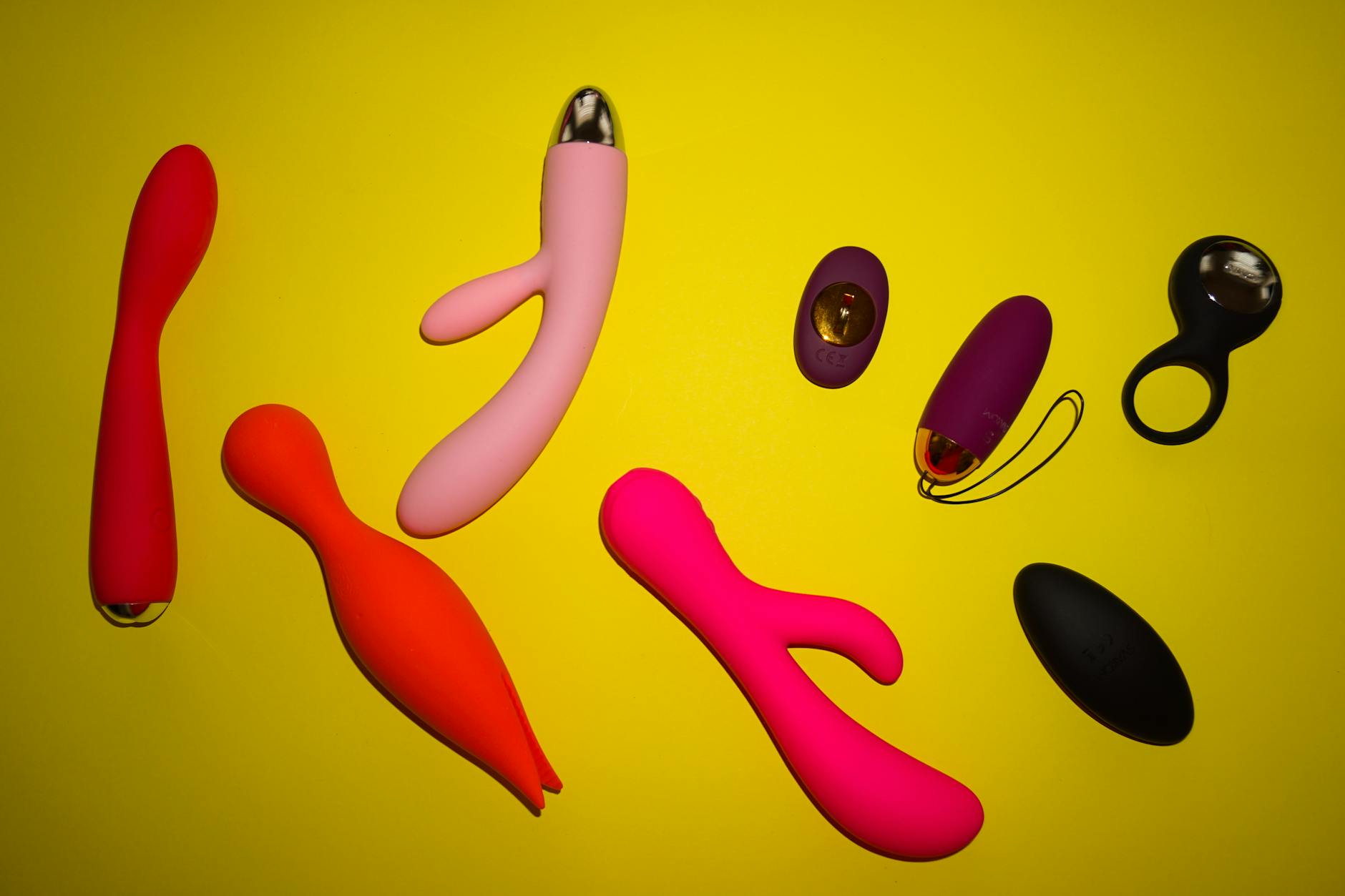
The muscle that won't relax
Vaginismus isn't in your head. It's your pelvic floor muscles locking down hard whenever penetration feels imminent. That reflex protects you from pain, but it also creates the very thing it's trying to prevent. If you've been diagnosed with vaginismus, you already know this: the anticipation of pain triggers the contraction, which creates pain, which wires the fear deeper. It's a feedback loop that traditional vibrators often make worse, not better.
Lemon vibrators work differently. The suction-based design of the lem vibrator avoids the deep pressure and repetitive friction that can trigger pelvic floor tension. Instead, they offer targeted clitoral stimulation that keeps arousal high while your pelvic floor stays calm. This matters because pleasure and relaxation are partners in healing vaginismus, not contradictions.
Why suction changes the game for pelvic tension
Most vibrators work by vibrating. That vibration travels through the toy into surrounding tissue, which means your pelvic floor muscles get stimulated right alongside your clitoris. If your pelvic floor is already in a state of protective tension, that extra stimulation can push it further into contraction.
Suction-based lemon sexual toys like the lem work on the clitoris directly without the systemic vibration that triggers whole-pelvic-floor responses. The suction is localized. It's gentle enough that it doesn't feel invasive, yet strong enough to build real arousal. For people with vaginismus, this distinction is the difference between a session that leaves you tighter and one that leaves you more relaxed.
What I've seen in my practice: people with vaginismus who switch from vibrators to lemon clitoral vibrators often report less anticipatory pain and fewer post-session muscle spasms. The tool itself signals to your nervous system that this isn't a threat situation.
Starting with the right pressure pattern
The lem vibrator comes with multiple intensity settings. If you have vaginismus or significant pelvic floor tension, start at pattern 1 or 2, never on the strongest setting. Your goal right now isn't maximum sensation. It's to teach your pelvic floor that clitoral pleasure exists without triggering the protective clamp.
Here's the practical protocol:
Week 1-2: External exploration only. Use the lemon vibrator on your clitoris with the lowest setting. No internal touch, no penetration plans. This is about building the neural pathway between clitoral stimulation and relaxation, not arousal.
Week 3-4: Slow pattern increases. Once you can engage with the toy for 10-15 minutes without tension, try pattern 3. Still external only. You're gradually introducing more intensity while your nervous system learns it's safe.
Week 5+: Internal readiness check. Only when you're having regular orgasms with zero anticipatory tension should you consider any internal work. And when you do, it shouldn't involve the toy. It should involve your partner's hand or finger, moving slowly, while you use the lem on your clitoris. The dual sensation approach works because the pleasure input overrides the fear input.
The role of lube and external comfort
Vaginismus often exists alongside vulvodynia or generalized pelvic pain. Even though you're not using lemon adult toys internally yet, everything touching your external genitals should feel safe and gentle.
Use a high-quality water-based lubricant on the toy before use. Yes, even for external clitoral work. It reduces friction, makes the sensation feel less clinical, and signals to your body that this is a pleasure activity, not a medical procedure. Apply lube generously.
Before you touch the toy to your skin, warm it up. Run it under warm water or hold it in your hands for 30 seconds. A cold toy can trigger an involuntary tensioning response.
Breathing and nervous system regulation
Vaginismus is partly muscular, but it's also a nervous system issue. Your body has learned that certain situations demand protection. Reversing that learning takes more than a new toy. It takes nervous system retraining.
Before each session with your lemon vibrator, spend two minutes on box breathing: inhale for four counts, hold for four, exhale for four, hold for four. This signals to your parasympathetic nervous system that you're safe. When you feel tension rising during the session, go back to this breathing pattern immediately. Stop the toy, breathe, then resume only when you feel the pelvic floor soften.
Many people with vaginismus hold breath during pleasure anticipation. The breath holding compounds the muscle tension. Conscious breathing interrupts the cycle.
When to bring your partner in
If you have a partner, their involvement can accelerate recovery, but only when the timing is right. The biggest mistake couples make is trying to move to penetration too soon. Pressure to perform, even gentle pressure from a well-meaning partner, re-triggers the protective response.
Here's the framework that works: once you're comfortable with the lem vibrator and having regular pleasure, introduce your partner as an observer and hand-holder, not an active participant. Let them see that clitoral stimulation with the lemon clitoral vibrator feels good and safe. This normalizes pleasure in your shared space.
Only after several sessions where your partner is present and you're clearly relaxed should you try anything with their touch involved. And when you do, it should be external hand touch while you control the vibrator. This keeps the locus of control with you, which is essential for rebuilding trust in your body.
The mindset piece: patience as treatment
Vaginismus heals slowly, and that's not a flaw in the process. It's the process. Your pelvic floor learned protective tension over months or years. It won't unlearn it in weeks. Every session where you use the lem vibrator and finish more relaxed than you started is a win. Orgasm is not the goal here. Relaxation is.
If you reach orgasm during this retraining phase, that's wonderful. But if you don't, that's also fine. The goal is to build the association between clitoral stimulation and safety, not between stimulation and performance. Once that association is solid, orgasm usually follows naturally.
You might also find that how to use lemon vibrators on sensitive clitoral tissue offers additional insights if your pelvic tension comes with general vulvodynia. And if you're navigating this with a partner, how to use lemon vibrators with a partner has specific language for conversations that help rather than hurt.
When to see a pelvic floor specialist
Lemon vibrators and home practice help, but they're not a substitute for professional assessment. If your vaginismus is severe, or if you're not seeing improvement after 6-8 weeks of consistent, gentle work, see a pelvic floor physical therapist. They can assess whether your tension is purely muscle-based or if there's an underlying connective tissue issue, nerve involvement, or trauma response that needs different intervention.
A good pelvic floor PT will actually recommend tools like lemon clitoral vibrators as part of a broader protocol that might also include dilator work, biofeedback training, or talk therapy. The vibrator isn't the treatment. The vibrator is part of your team.
FAQ
Can I use a lemon vibrator internally if I have vaginismus?
Not as your first step. For most people with vaginismus, any internal touch triggers the protective reflex initially. Start external only. Once you're regularly relaxed with external clitoral stimulation, you might eventually work up to internal touch with your partner's finger, using the lem vibrator on your clitoris at the same time. Internal toy use comes last, if at all, and only under guidance from a pelvic floor therapist.
How long does it take to heal vaginismus?
That depends on severity and whether you have professional support. Mild cases with consistent practice can improve in 8-12 weeks. Moderate or severe cases often take 4-6 months or longer. The key is consistency, not intensity. Twice-weekly sessions with the lemon vibrator beat once-monthly intense sessions every time.
Will a lemon vibrator make vaginismus worse?
Unlike vibrators that create systemic vibration through deep tissue, lemon vibrators are unlikely to worsen tension if you're using them at low intensity and externally. That said, if the session feels uncomfortable or triggering at any point, stop immediately. Discomfort is information. It means your pelvic floor needs more time at the current level.
Is vaginismus permanent?
No. It's a learned protective response, not a structural problem. With the right approach, patience, and often professional guidance, most people with vaginismus see meaningful improvement and can eventually have pain-free, pleasurable sex. The lem vibrator is a tool that makes that journey feel less clinical and more like reclaiming something that belongs to you.
Do I need to tell my partner I have vaginismus?
If you're in a partnered relationship, yes. Even if it's uncomfortable. Vaginismus isn't shameful, but secrecy around it usually compounds the shame and prevents the kind of open communication that healing requires. A partner who cares about your wellbeing will want to understand and support the process. If a partner responds with impatience or resentment, that's its own problem worth addressing, ideally with a therapist.
Can vaginismus come back after it heals?
It can, especially if you experience new trauma or significant stress. But once you've healed it once, you know what works and how your body responds. You can usually catch early warning signs and address them before the full protective pattern re-establishes. The recovery path the second time is usually faster.