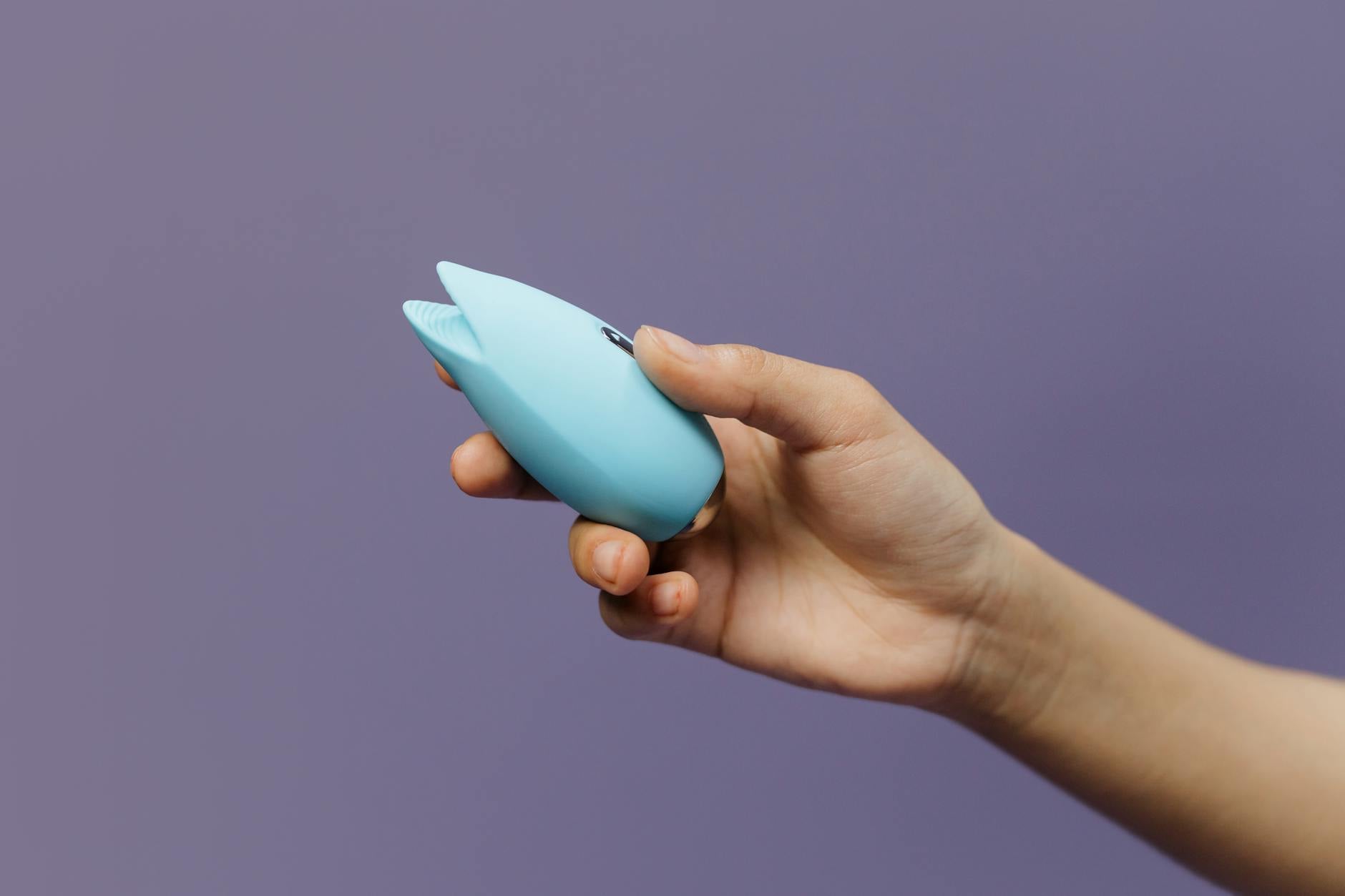
Let's talk about the weird gift depression gives and then takes away
Depression doesn't just steal your energy or your sleep. It reaches into your body and switches off desire. Not metaphorically. Neurologically. Your brain stops producing enough dopamine and serotonin, and suddenly the thought of sex feels about as appealing as filing taxes. You know it's supposed to matter. You know other people want it. You just... don't.
Then one day, something shifts. The medication works. The therapy clicks. You sleep better. And slowly, confusingly, desire starts flickering back on. Which sounds like relief. Which should be relief. But here's what nobody tells you: reconnecting with pleasure after depression is awkward, because your body feels unfamiliar.
Why your body feels like it belongs to someone else
Depression doesn't just kill libido through brain chemistry. It changes your relationship with your own skin. Months without sexual touch, without masturbation, without the small daily reminders that your body is yours and capable of feeling good. Your pelvic floor gets tense from disuse. The neural pathways that carried pleasure signals get dusty. And emotionally? You've spent months in survival mode, numb to protect yourself.
When desire returns, it comes back to a body that hasn't been properly inhabited in a while. That's not a sign something's wrong. It's completely normal.
The other piece is neurochemical. Antidepressants help, but some of them (particularly SSRIs) can blunt orgasm even when your mood lifts. If you're experiencing that, don't assume your depression is still winning. Talk to your doctor about timing your dose or switching medications. But while you're figuring that out, lemon clitoral vibrators help bridge the gap because they work with your nervous system, not against it.
Why lemon vibrators specifically help with this transition
Three reasons, all practical.
Pressure without urgency. After depression, the last thing you need is performance anxiety. You don't want a partner watching, or checking your face, or wondering why you're taking longer. Lemon vibrators let you explore solo, which is crucial when you're rebuilding trust in your own pleasure. There's no timeline, no one to satisfy, no pressure to climax on schedule.
Gentle reintroduction. The lemon's suction mechanism works differently than traditional vibrators. Instead of intense buzzing that demands your full nervous system attention, it uses rhythmic suction that gradually invites arousal. Your brain gets to ease in instead of jumping straight to high stimulation. That matters when you're rebuilding sensations that felt broken for a while.
Low-stakes exploration. When you first reconnect with your clitoris after months of numbness, you need to know what still works and what doesn't. Some lemon clitoral vibrators have adjustable patterns and intensities. You start at pattern 1, spend time there, see what your body remembers. This isn't rushing toward orgasm. It's archaeology of your own pleasure.
The practical steps for starting again
First session: just holding it. Honestly. Not even turned on. Use a lemon vibrator to reacquaint your clitoris with touch. Hold it against your skin for a few minutes while you do something else. Read, listen to music, breathe. Let your nervous system remember what external stimulation feels like without the pressure to respond.
Second session: introduce the lowest setting. Five to ten minutes. Low pattern, no goal. If it feels good, keep going. If it feels numb or weird, that's fine too. You're collecting data, not performing.
Third session and beyond: add time, not intensity. When you return to pleasure after depression, slow warm-up time is everything. Budget 20 to 30 minutes. Spend 15 of those minutes with low stimulation. Your arousal system needs to wake up gradually. It will feel like nothing is happening. Then suddenly it will.

Photo by Madison Inouye on Pexels
What you're likely to feel (and why it's okay)
Weird numbness at first. Your clitoris has been offline. It's going to take a few sessions for nerve sensitivity to fully return. That's not permanent. It's just your body needing time to wake up.
Confusion about whether you actually want this. When you've been depressed, the distinction between what you want and what you think you should want gets blurry. If you pick up a lemon vibrator and genuinely don't feel like using it, don't. But also know that sometimes you need to prime the pump. Five minutes in, your body might make the decision for you.
Orgasms that feel different or less intense than before. This is real. After depression, your nervous system has been through something. Orgasms might take longer, feel more muted, or come and go. How to Use Lemon Vibrators When Antidepressants Affect Your Orgasms dives deeper into this, but the short version: you're not broken. You're just reorganizing.
The conversation with yourself (and maybe your partner)
If you share a bed with someone, they might want to understand what's happening. This is a good time to separate two conversations. Conversation one: "My body is coming back to life and needs to move slowly." Conversation two: "What do I want this to look like between us?" They're not the same conversation, and confusing them will tangle everything.
If you're partnered, you can be honest that you're using a lemon vibrator to reconnect with your own body first. That's not rejection. It's actually the kindest thing you can do. You can't offer your partner your pleasure if you haven't found it yourself first.
Solo exploration isn't forever. It's a bridge. Some people rebuild pleasure solo for weeks, some for months. There's no timeline that's right. You'll know when you're ready to bring someone else in because your body will stop feeling urgent and tense when you think about it.
When to expect the real shift
Three to six weeks of consistent solo exploration usually brings a noticeable change. Not a dramatic flip switch. A gradual loosening of the numbness. Your nervous system starts recognizing the signal again. Your pelvic floor relaxes a little. The thought of pleasure stops feeling like a chore.
If you're still feeling flatlined at week six, check in with your prescriber. Sometimes antidepressants need adjusting. Sometimes your depression is lingering a bit longer. Neither of those things means failure. They mean you need information.
The mental health piece (which matters more than the tool)
No lemon vibrator will rewire your brain chemistry. But reconnecting with physical pleasure is a micro-practice in remembering that your body is home. When depression makes you feel exiled from yourself, slowly relearning that you can feel good is radical. A lemon clitoral vibrator is just the vehicle.
The real work is showing up for yourself without judgment. Some days that looks like 20 minutes of exploration. Some days it's holding one for five minutes while you think about something else. Both count. You're not trying to achieve orgasm. You're trying to rebuild the belief that pleasure is available to you again.
It is. Your body's capacity didn't go anywhere. It was just sleeping.
People also ask
How do I know if depression is actually lifting versus just a good day? Good days happen during depression too. The real shift is consistency. If you're noticing desire, energy, and interest returning across several days in a row, and you're sleeping better without feeling forced, that's a real lift. If it's one good day followed by a crash, you're still in it. Talk to your therapist or doctor about what you're noticing.
Is it normal to feel guilty about wanting pleasure again? Completely. Depression trains you to believe you don't deserve good things, including pleasure. That voice doesn't disappear instantly when your mood lifts. The practice is noticing the guilt, acknowledging it, and using a lemon vibrator anyway. You're not indulging. You're recovering.
Can I use a lemon vibrator while I'm still on antidepressants? Yes. Antidepressants and lemon clitoral vibrators are not in conflict. Your medication is helping regulate your brain chemistry. A lemon vibrator is a tool for exploring sensation. They work in different systems.
What if I have an orgasm and then crash emotionally? That can happen, especially if you're still stabilizing. Your nervous system has been dysregulated for a while. Sometimes pleasure triggers a weird sadness or panic because your body is just remembering how to feel. If this happens, pause. Breathe. Let yourself cry if you need to. This doesn't mean you've broken something. It means you're reintegrating.
Should I tell my therapist I'm using a lemon vibrator? If it comes up naturally, sure. But you're not required to. This is part of your private sexual life. What matters more is telling your therapist that you're noticing desire returning, and what that feels like emotionally. The tool is less important than the conversation with yourself.
How do I know I'm ready to involve a partner again? When the thought of sharing pleasure doesn't feel scary or obligatory. When you've experienced your own orgasm a few times and know it's possible again. When you can imagine pleasure without immediately feeling anxious or guilty. You don't need to be "fully recovered." You just need to be ready to be vulnerable with someone else.
You don't have to rush this
There's a weird cultural message that once depression lifts, you should bounce back into your whole life, including sex. That's not how humans work. Your body came through something. It needs to be treated gently.
A lemon vibrator is a small, low-pressure way to tell your body: you're safe now. You're allowed to feel good. There's no performance, no rush, no one watching. Just you and the slow work of remembering what pleasure feels like.
That's worth the time it takes.